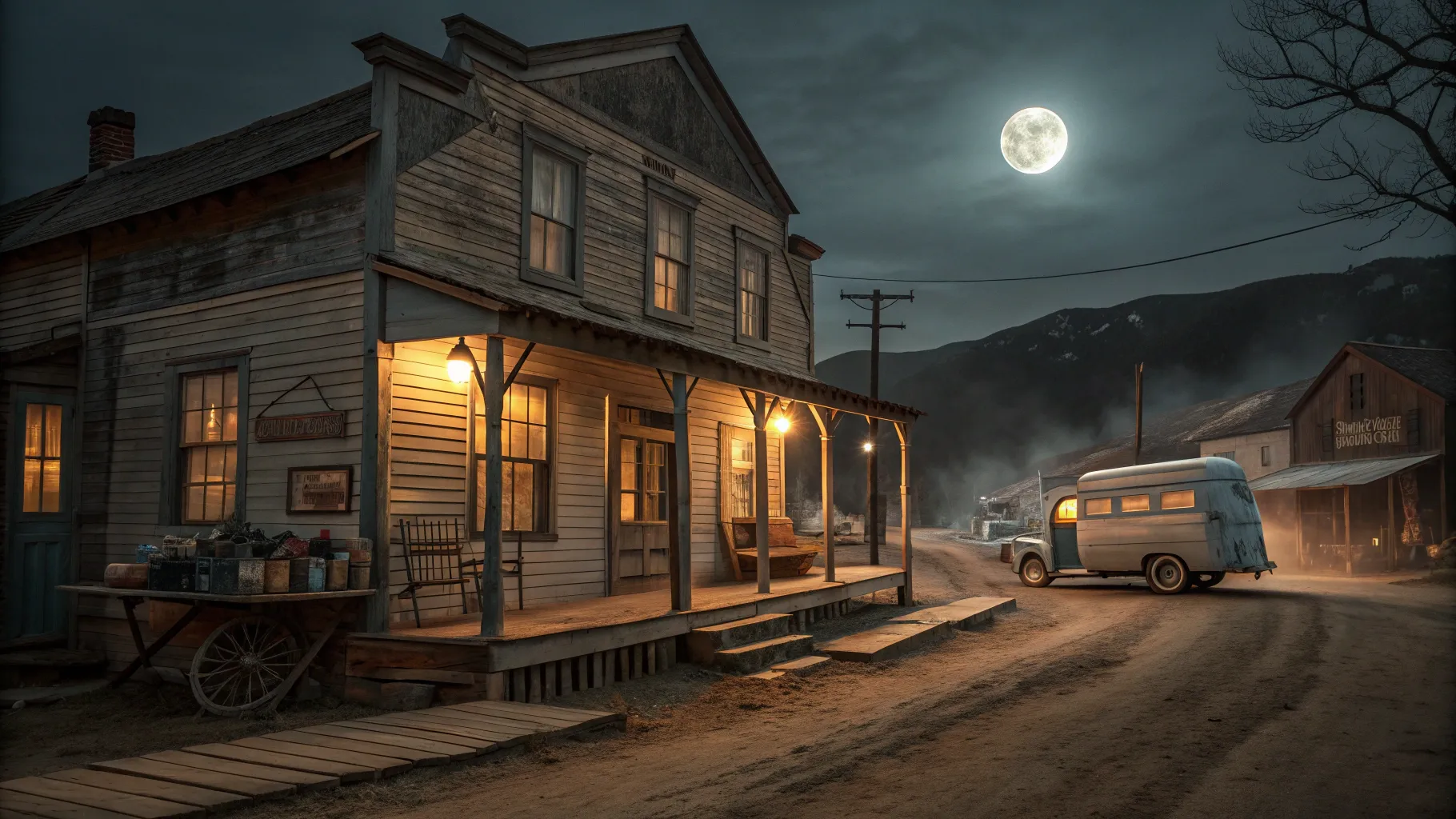
Hi — I'm Trent The Traveler. If you caught my night in Virginia City, Nevada, you know this was one of those trips that glued together three of my favorite things: vanlife, old mining towns, and the uncanny. I rented out one of the oldest saloons in America, the Washoe Club, and spent a night alone inside the creaking, layered history of that building. The goal was simple and admittedly a little reckless: stay the night by myself and see what, if anything, shows up. What follows is the full story — the history that sets the scene, the weird moments that stuck with me, the place where Ghost Adventures got their start, the cellar where bodies were once stored during winter, and what it felt like to walk through that building knowing the past that lingers beneath the floorboards.
Why Virginia City?
There are places you visit because they're postcard-beautiful and others because they tug at your curiosity — Virginia City was strictly the second kind. I stumbled onto it while traveling through Nevada, a state that seems designed for the odd, the secret, and the paranormal. Area 51, deserted mining towns, and a scattered landscape of ghost stories make Nevada a magnet for the strange. Virginia City sits way up in the mountains and the town itself is almost like stepping into a movie set of the 1800s: wooden storefronts, weathered signs, and a town layout that still remembers the rush of prospectors.
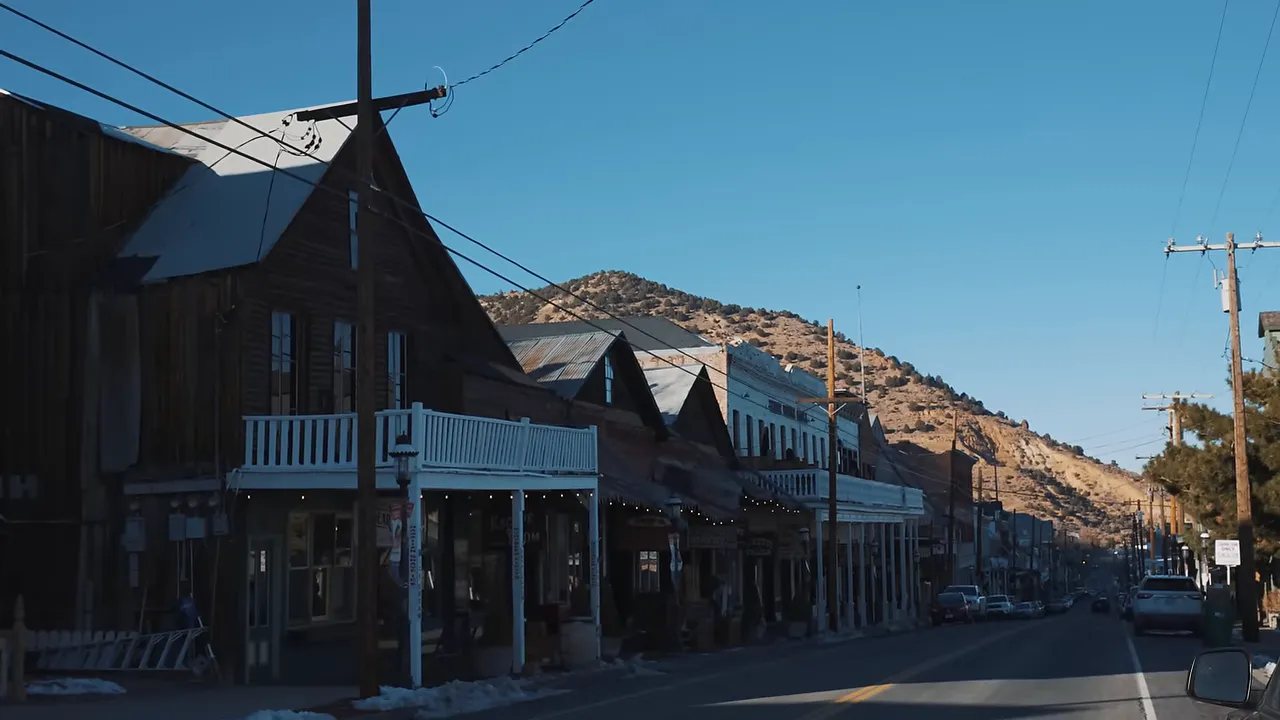
What hooked me about Virginia City wasn't only its vintage charm — it was the density of dark history under and around it. The mountains here were part of the Comstock Lode, one of the richest silver discoveries in U.S. history. The wealth that flowed from those veins left behind more than abandoned mine shafts. It left behind stories of danger, greed, tragedy, and, for some, a sense that the place didn't completely shrug off the people who died there.
A Brief History of the Town and the Mines
In the 1800s, Virginia City boomed almost overnight. Prospectors, miners, entrepreneurs, and con artists poured into the area chasing silver. The towns that grew up around these mines had an intense and narrow purpose: extract wealth. The geology of the Comstock Lode is unique — enormous veins of silver and ore that prompted some of the most ambitious mining operations of the era. But the mining technology of the time was rough, rudimentary, and frequently fatal.
The mines beneath Virginia City include shafts that extend as deep as 3,200 feet into the mountain. Picture crews working with picks, shovels, early mechanical drills, and minimal structural support. Rock walls could be soft and unstable; oftentimes miners were literally able to shovel out ore deposits. That same softness made cave-ins disturbingly common. Men were trapped, crushed, or killed by sudden collapses; tunnel fires and toxic air were daily risks. I read and learned about countless fatalities while preparing for this trip — and it puts into frame why the town's modern ghost stories feel so plausible to many locals.
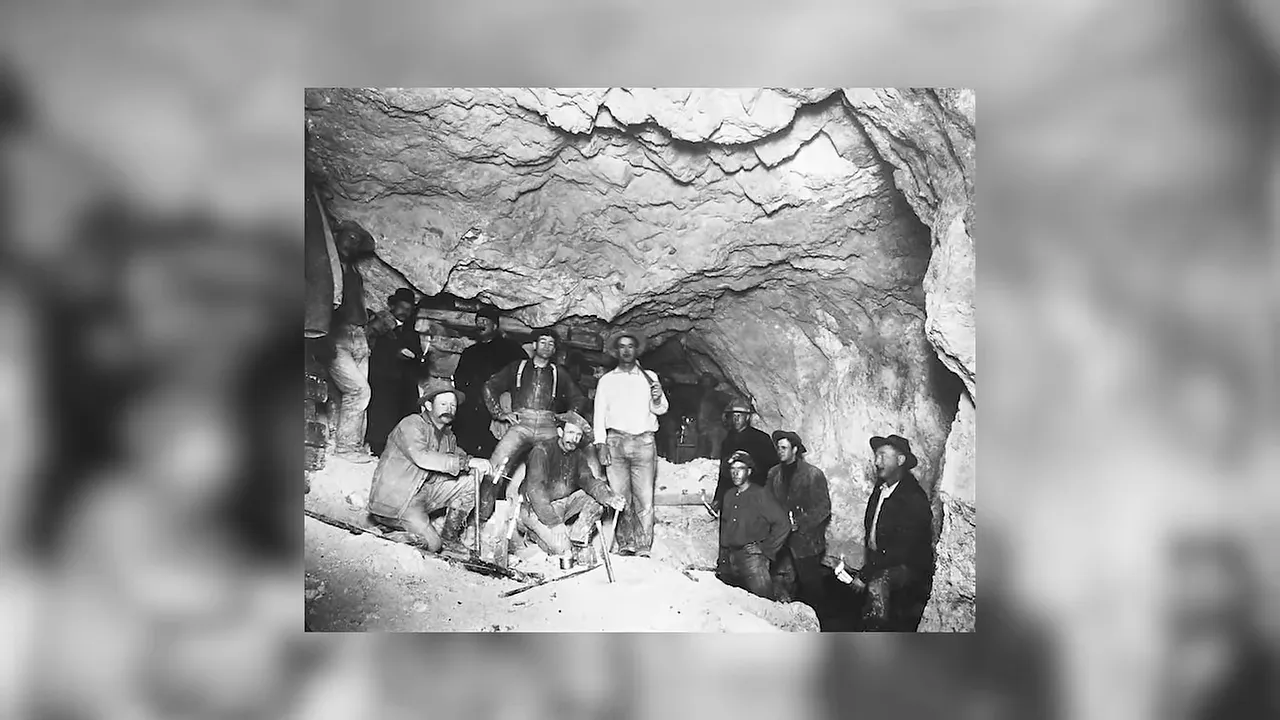
Mining companies were hungry for profits. Shutting down operations because of dangerous conditions would have been a financial disaster, so safety frequently took a back seat. That imbalance — immense wealth created quickly and a workforce that took on extreme risks for that wealth — produced both the culture of the town and its darker afterlife. The people who made fortunes lived in luxury and decadence, and many of them spent their money in elite clubs where gambling, alcohol, and prostitution were the norm. The Millionaire's Club — now better known as the Washoe Club — was one such place.
The Washoe Club: Millionaire's Club and Social Hub
The Washoe Club was where the town's wealthiest and most influential figures congregated. It was an elite social club, a saloon, a gambling house, and a place where deals were struck away from prying eyes. That image of smoke-filled rooms, private backrooms, and late-night scheming is practically cinematic, but it also means that the building grew steeped in a kind of late-night atmosphere that people still talk about.
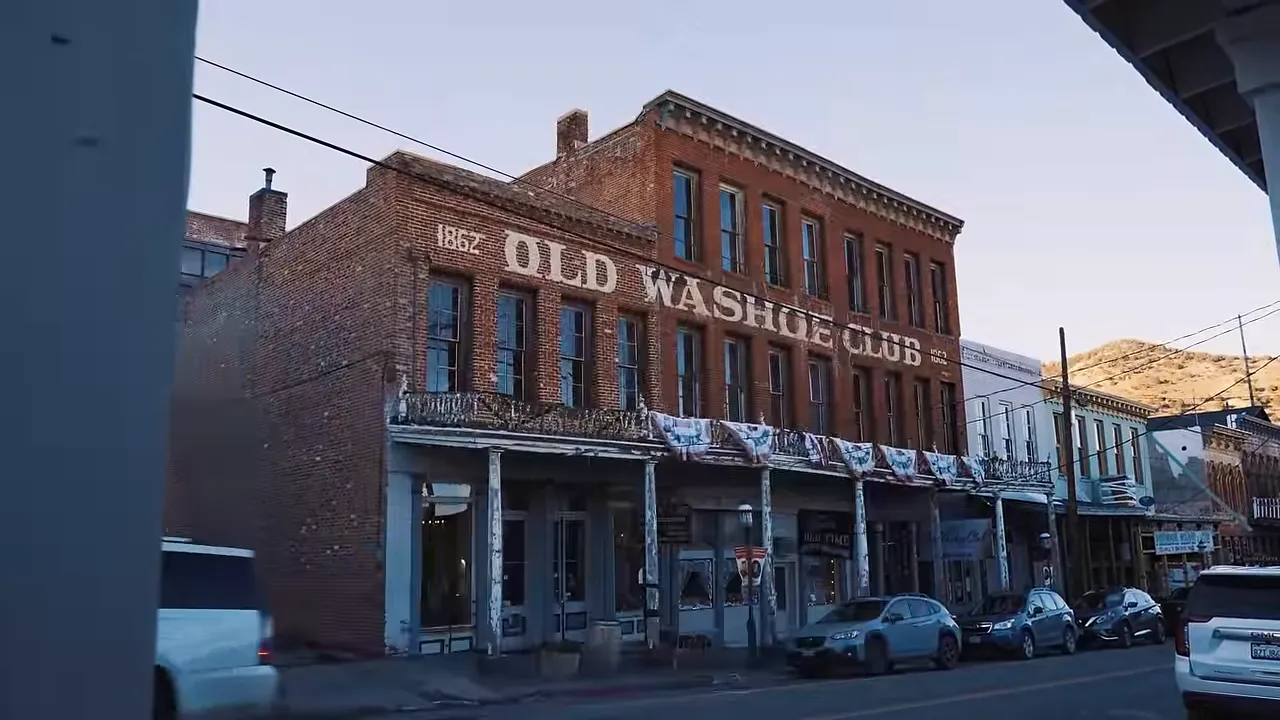
Because the Washoe Club played such a central role in the social life of the millionaires of the time, it also became connected to the tragedies that followed the mining industry. When miners died, there was no neat way to resolve the emotional consequences in a town where winters froze the ground solid. One story a local told me has lingered in my mind: because graves couldn't be dug when the ground was frozen, the dead — often infants and young children who died unexpectedly — would be wrapped in burlap and stored in the Washoe Club cellar until spring thaw permitted burials. That image of small bodies bundled and stacked away in a public building is haunting in the truest sense, and it is the same detail that many investigators point to when they describe the second floor as "haunted by children."
Why the Washoe Club Is Considered the Most Haunted Building in Town
Pick almost any historic building where jealousy, greed, sorrow, and sudden death concentrated, and you're likely to get a ghost story or two. The Washoe Club checks all those boxes. But it goes beyond folklore: many investigators, locals, and paranormal teams have reported consistent phenomena inside the building — noises in empty rooms, children's laughter down hallways, cold drafts that don't match the air outside, and more aggressive activity on the upper floors.
The Washoe Club is also historically important to contemporary pop culture investigations. Before Ghost Adventures became the TV series many of us know, the crew shot a documentary at the Washoe Club in 2004. In that documentary they captured footage that was widely circulated: a ghostly figure that appeared in the ballroom and walked across the frame. That clip was sent to professionals for review and — according to the accounts I'm repeating — was deemed legitimate, which ultimately led to the show's relationship with the Travel Channel and the series we now recognize. Whether you think the footage was convincing or not, it undeniably helped to cement the Washoe Club's reputation as a prime spot for paranormal activity.
Preparing to Spend the Night: Logistics and Mindset
So this is where my plan got a little dramatic: I decided to rent out the entire Washoe Club for the night. There's a certain logic to it. If the town's most active building is going to be quiet and empty, what better way to test it than to be the one human in the mix? It sounds crazy, I know — but that's the sort of thing I do. I live out of my van, I travel the country, and part of what makes vanlife special to me is the freedom to explore places like this without a strict itinerary.
Preparation matters. I contacted the owner, negotiated access, and packed the gear I'd need for my overnight investigation: cameras, night-vision equipment, tripods, audio recorders, flashlights, extra batteries, and the little comforts that make an eerie night bearable. I'm not a professional ghost hunter — I don't run on full paranormal lab setups — but the basics help: a reliable camera (I use a Sony A7S series), a stable tripod, and a few microphones. I also brought items for comfort and safety: a schedule left with a friend, a charged phone, a warm jacket, and a sense of caution.
- Essential gear I used: primary camera (Sony A7S III/A7S II), 14mm and 24-70 lenses, tripod, mini tripod, LED panels, wireless mic, headlamp, extra batteries.
- Comfort & safety: warm layers, first-aid kit, phone with battery pack, spare keys for my van, and someone who knew my whereabouts.
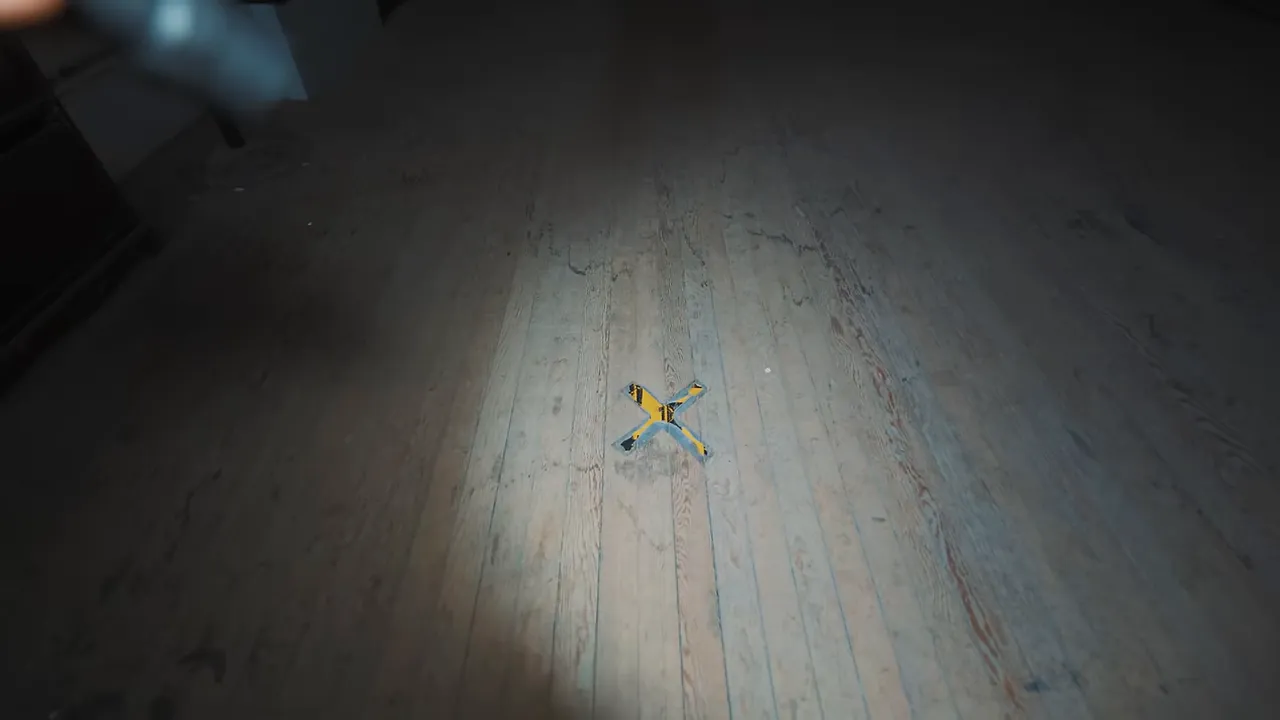
- Optional but useful: night-vision camera, handheld audio recorder, notepad for observations, tape to mark evidence locations.
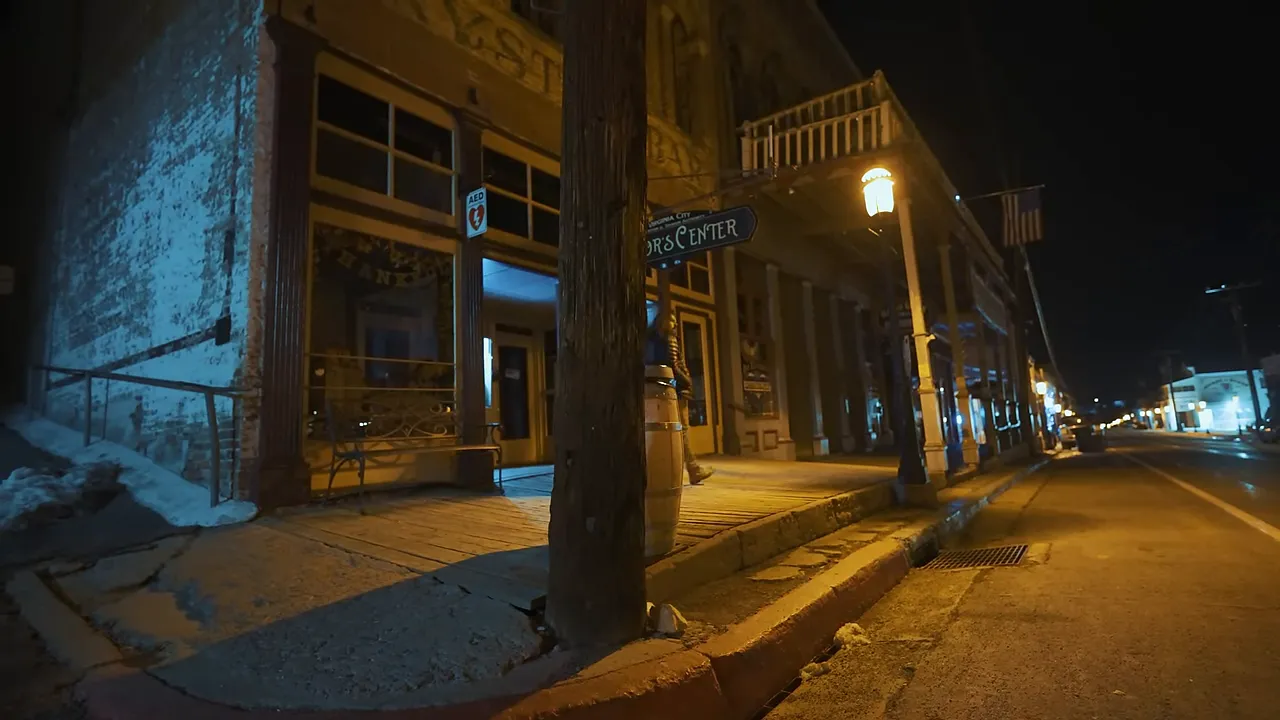
Before midnight I walked the town and tried to orient myself to the stillness. One of the weirdest parts of Virginia City is how truly quiet it becomes. During the day it feels like a living historic town with tourists and actors playing roles, then as soon as the sun dips everyone seems to vanish. Sidewalks empty, storefronts shutter, and the town flips into a literal ghost town. Walking down the center of the street with no cars and no people felt like being in a film set between takes.
First Steps Into the Washoe Club
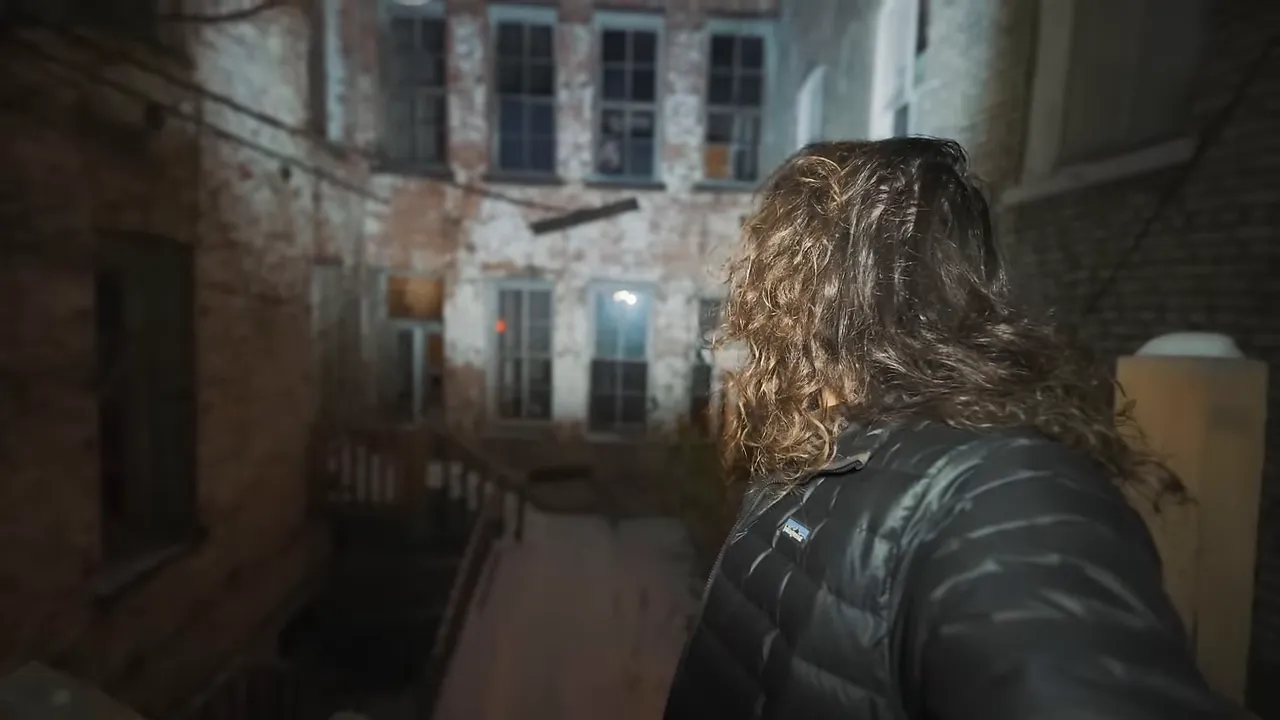
Entering any old building at night already changes how it talks to you. The stairs creak differently, the walls have texture that seems amplified by moonlight, and shadows become personalities waiting to be named. I had to use the back entrance to get in — probably the maintenance route — and those steps down through the snow felt like a descent into a different world.
"I haven't even stepped three feet into this place and I am terrified already."
That line wasn't dramatic hyperbole; it was honest. There's a feeling of being watched that crept over me almost immediately. I had a plan — get to the front, unlock the door, retrieve gear from the van, set up cameras — but every step felt like moving through a theater where the stage had been left in perfect ambiguity. The first 15 minutes I spent there alone had me on edge in a way I didn't expect. Part of that was the building: old, poorly insulated, and full of acoustic quirks. Part of it was the history that hung intangible in the air.
The Ballroom: Standing on an X of History
The Washoe Club's ballroom has its own mythology. The Ghost Adventures footage that made waves allegedly captured a ghost forming and walking through that room — an image that became part of the building's modern folklore. I set up one of my night-vision cameras right on the same X where that footage had been taken and left it rolling for an hour. That X felt like a focal point in the room; it had the kind of energy you notice even if you can't explain it.
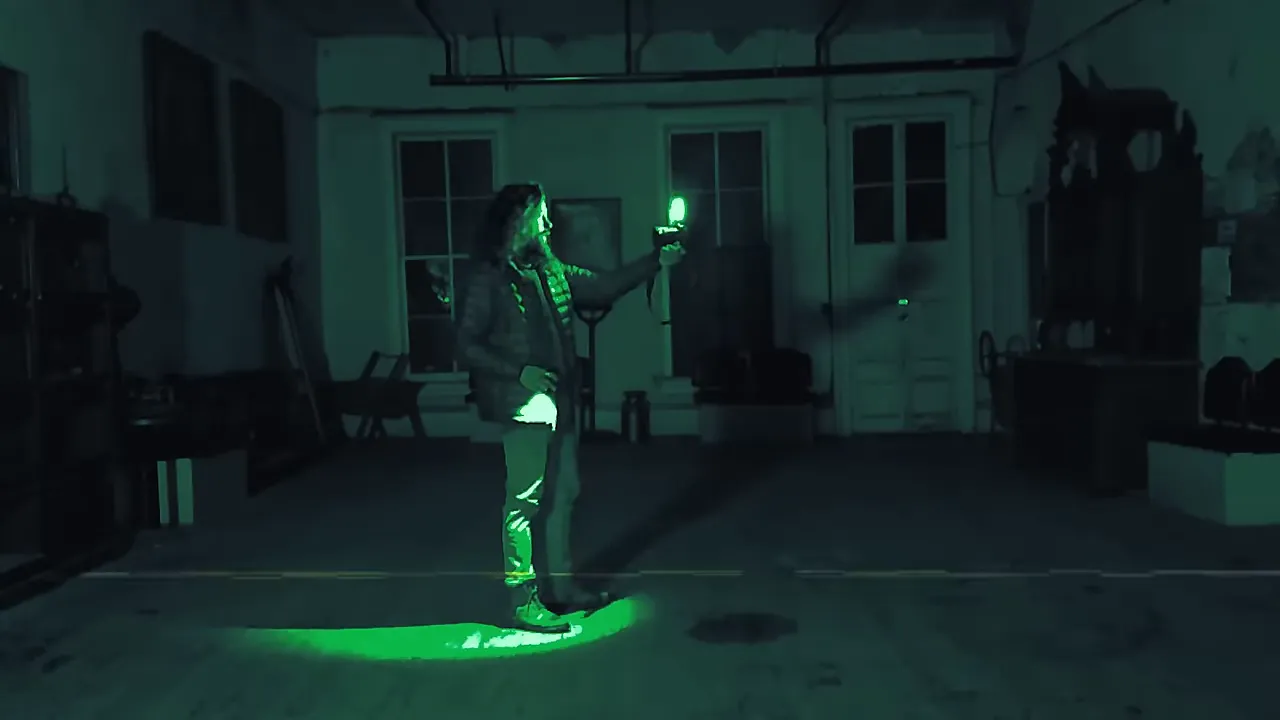
Leaving a camera alone in a room is a strange form of trust. You're part of the space, but you're also delegating the job of observing to a machine. I wanted to see if anything would cross that frame while I did other things in the building. It's a small experiment, but for me it felt crucial: you can't call something evidence without recording it. The rest of the night, I shuffled between floors, listened for footsteps that weren't mine, and tried to keep my breathing steady.
The Second Floor: Children, Laughter, and the Weight of History
Locals often say the second floor of the Washoe Club is haunted by children, and the story behind that claim is as chilling as it is heartbreaking. When winter made burials impossible, infants and young children who died were wrapped in burlap and stored in the cellar until the ground thawed. The cellar became a temporary morgue — an awkward solution borne of climate and necessity. Over time the idea that children's spirits hang around on the upper floors took hold.
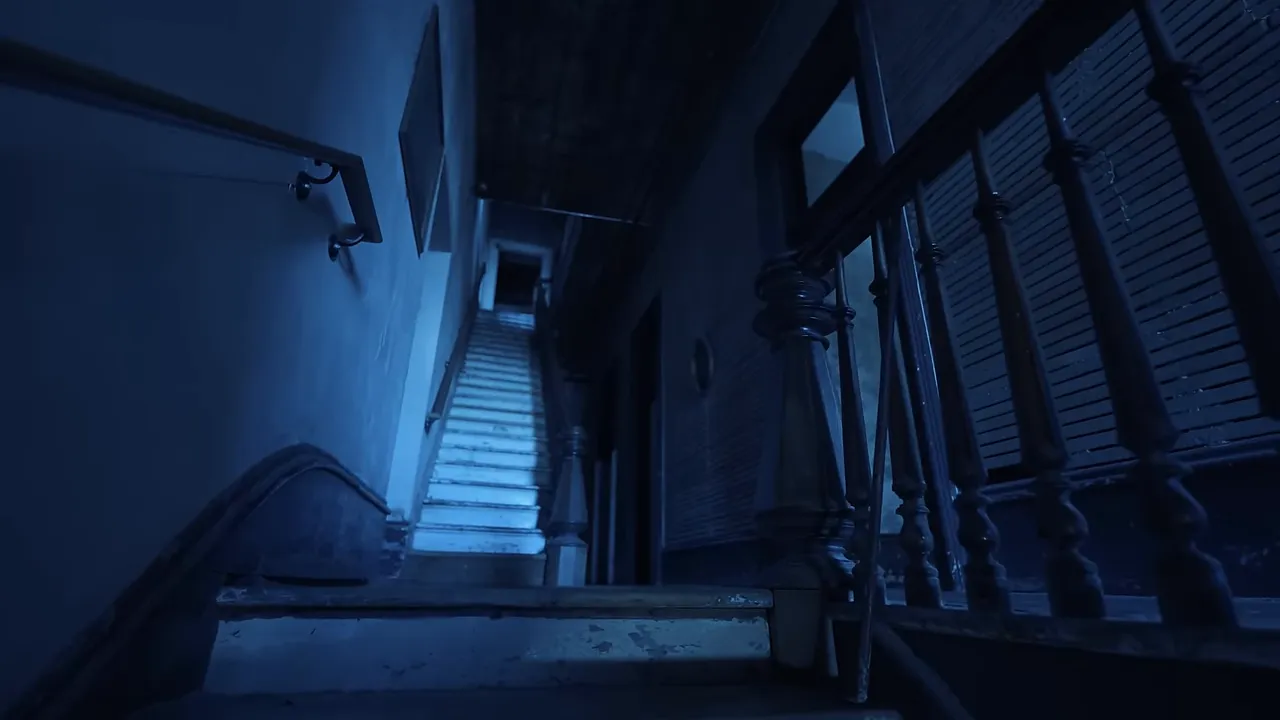
On that second floor I felt a cold draft cutting through corridors. At times I thought I heard faint laughter off in the distance — couldn't say if it was wind shaping itself into a laugh or my imagination filling in the blanks. The human brain does that when it's hungry for patterns. I'm honest about that part. The building is old; the acoustics can be misleading. But there are also moments that are harder to write off, like the way certain doors seemed to close behind me when there was no breeze to move them.
The Third Floor: Why People Call It 'Demonic'
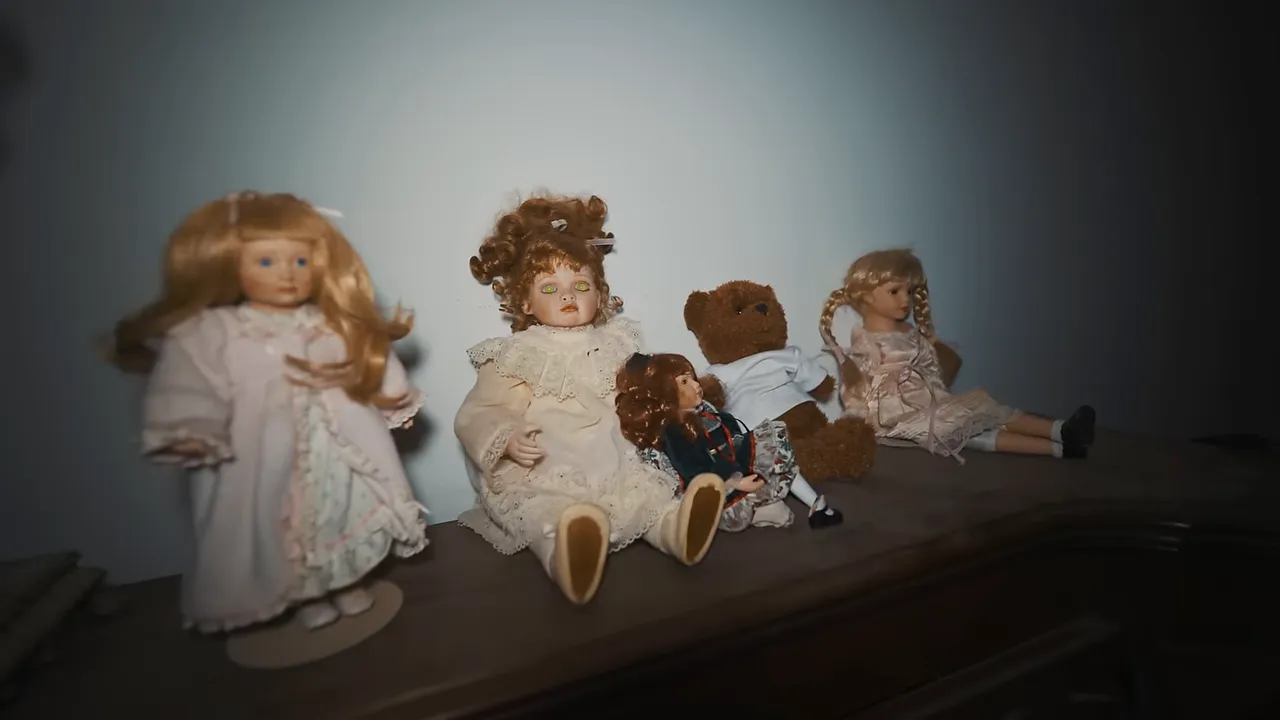
While the second floor tends to be associated with more melancholic, childlike phenomena, reports about the third floor lean darker. People have described being scratched, feeling touched by invisible hands, doors slamming for no obvious reason, and one account tells of a woman who claimed she was pushed down the stairs. I'm not going to claim I witnessed all that; I didn't. But being on that stairwell felt different. The climb up there is steeper in a way that seems to create a choke point for the senses — it's harder to breathe, easier to lose a sense of balance, and every mannequin and doll suddenly looks malicious.
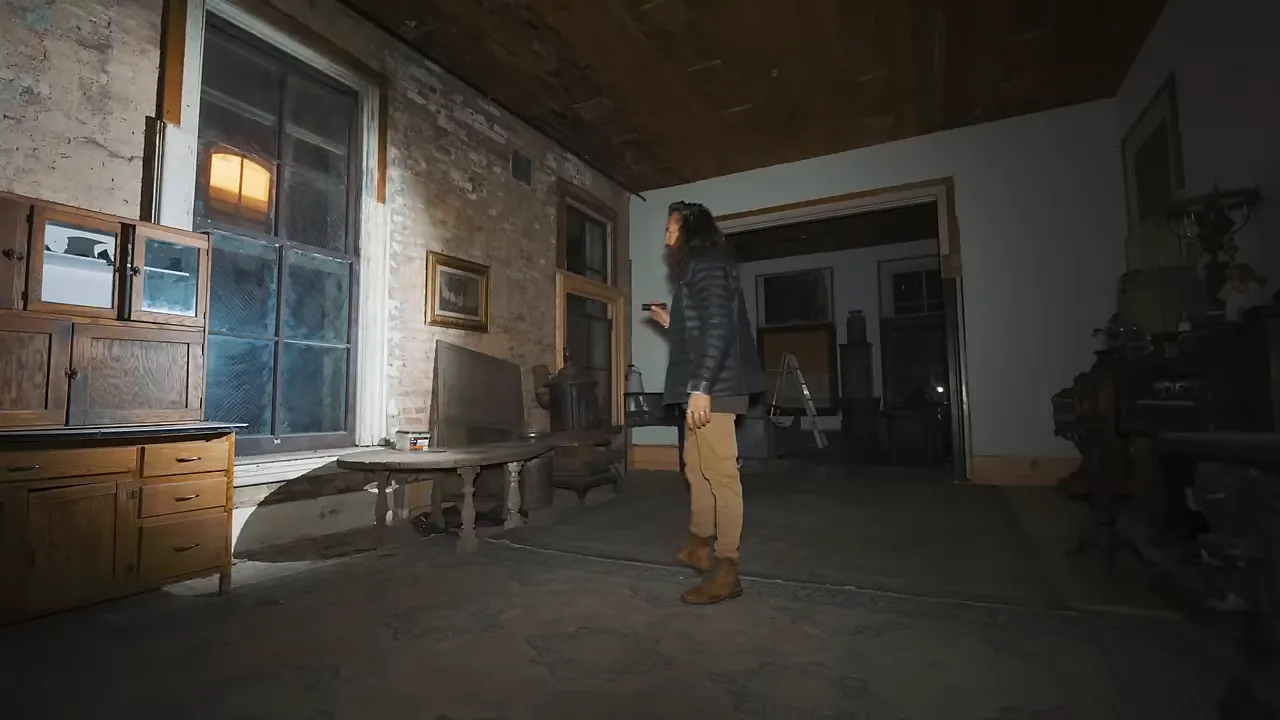
On my way up I was honest with myself: the fear was a mix of narrative (I'd read the stories) and visceral reaction to an environment where my only exit was a narrow stairwell. At one point I found a room with a woven story behind it. The local legend goes like this: a man named Scotty lost his child to a fall in a mine shaft. Overcome with grief in a very small town where tragedies echo hard, Scotty returned to that room and ended his life there. That sort of specific and violent grief lingers in the way a wallpaper pattern finds a way to feel accusatory. In a place where personal stories like that are told and retold, it's easy to see why people interpret sensations as confirmations of a presence.
There were also mannequins and a bizarre cheetah-costumed figure that nearly gave me a heart attack. They were placed in corners, their faces blank and a little wrong in the way dolls often are. Mannequins are a parlor trick for fear — put them in dim light and suddenly you're in a horror movie. I had a few moments up there where my heartbeat spiked just from the visual cues. Still, I note this because it matters: context and expectation shape experience profoundly. Knowing the third floor's reputation almost ensures you'll interpret sensory data as hostile.
Weird, Hard-to-Explain Things: Tripod Nuts and Loose Plates
Okay, here's one of those details that sits squarely between eerie and plausible: my tripod knobs kept loosening. I set a tripod on the stairs and tightened everything down like I always do. Minutes later it felt loose. Another time, the plate that mounts my camera to the tripod was loose — and by the way the plate requires a screwdriver to loosen intentionally. I can't produce an explanation for that other than the mundane (vibration, when I moved it earlier, or accidental loosening), but it still felt weird given the setting. I found myself checking and re-checking equipment more than I normally would.
These are the moments where I get self-critical and reflective. Was something in the building messing with my tripod? Or was I tired, clumsy, and jittery, having spent the night alone on the third floor of a reputedly haunted building? Both are plausible. As a storyteller (and as a cautious investigator), I want to record the oddities honestly but also entertain alternative explanations.
The Crypt: When a Cellar Becomes a Morgue
Perhaps the most tangible and historically anchored part of the Washoe Club is the cellar, often referred to now as the crypt. This is the spot where bodies were stored during particularly brutal winters — sometimes small children or newly deceased miners. The cellar held cold storage for the saloon's supplies, and because it maintained a lower temperature it became, in desperate times, a weird kind of temporary morgue.
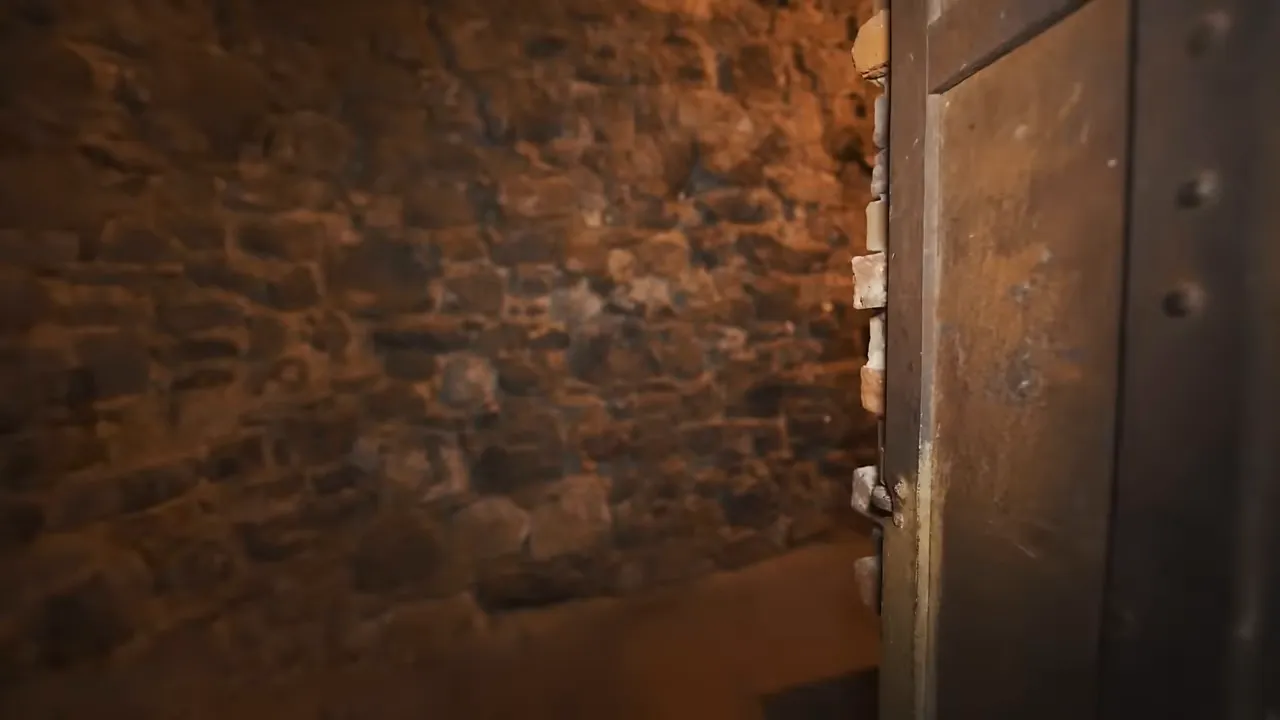
I walked into that space with a surreal sensation: the smell of an old building, the dust and cold concrete, and a history you can touch. Account after account told of gurneys and bodies being brought through the doors and laid flat where crates of booze might otherwise have been stacked. Over time, bodies piled and conditions grew intolerable enough that they had to move remains to higher floors or drop them through a platform from above to create more space. That fact is as grim as it sounds.
Sitting there, it was hard not to think about mortality and the practical harshness of life in frontier mining towns. The cellar is a reminder that historical solutions for tragedy were sometimes pragmatic to the point of being jarring to modern sensibilities. If the cellar houses residual energy, it's no wonder some people find the idea of children’s spirits tied to the upper floors easier to believe. The cellar tells the story in a different register: it is a physical piece of evidence about a practice that explains part of the hauntings people describe.
Sensory Observations: Drafts, Sounds, and the Mind's Role
At several times during the night I heard noises that may very well be mice or building settling. Old buildings have their own internal weather systems — expansion and contraction, pipes, rodents, wind moving through gaps. But there were moments when the sensations didn't map neatly onto an obvious cause: a whisper that might have been words, a small laugh that could have been a pattern my brain insisted on hearing, and the cold spots that felt like someone else’s breath right when I turned a corner.
To be honest: human perception is fallible. The imagination fills in gaps when it's primed for certain outcomes. I came in with expectations; I read the stories in advance; I had spent an hour alone in a building. My mind was primed to interpret ambiguous stimuli as paranormal. That's an important admission. That said, the combination of history, architecture, and sensory anomalies made for an evening that felt electric. Even if you rationalize it away, you can't remove the visceral experience — it becomes part of your memory and how you relate to that place.
Morning Light and Reflection
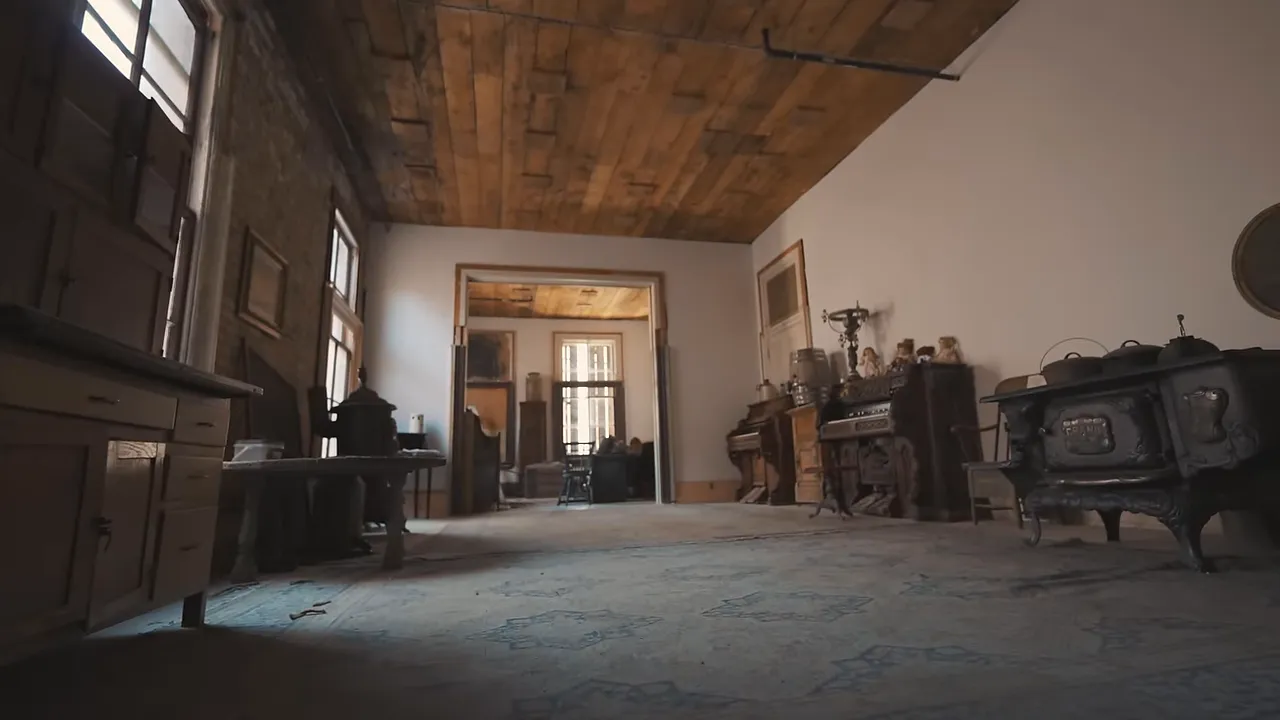
Morning does what it always does: it changes the mood drastically. Sunlight poured into the cellar and transformed it from a place of dread to a room with a quiet, dignified melancholy. The town looked completely different in daylight. People came out, the storefronts felt alive, and the emptiness that had been so pronounced at night dissolved into the bustle of a historic attraction. The contrast was sharp and instructive. Buildings can hold multiple temporalities: the day persona and the night persona. Both are measurable in your experience.
I spent some time sitting in the cellar after dawn, reflecting on the night. Without reviewing footage rigorously I couldn't say whether the place was truly haunted or whether my experience was an internal construct of nerves and narrative. I didn't have professional-grade paranormal tools or a team to double-check phenomena, and that's an important limitation. But I did achieve the personal goal I set out to accomplish: I stayed overnight alone inside the Washoe Club, walked each floor, recorded footage, and sat with the history.
Practical Takeaways and Tips for Anyone Considering a Solo Overnight in Historic Buildings
If you're drawn to places like the Washoe Club, whether for photography, history, or ghost hunting, here are a few practical pieces of advice from someone who spends his life on the road and has walked through more than a few old buildings:
- Always get permission. If a building is privately owned, don't trespass. I rented the Washoe Club legitimately. It's safer legally and ethically.
- Tell someone where you are. Leave an itinerary with a trusted friend. If you're going to be alone in an empty town, someone should know your plan.
- Bring the right gear. A reliable camera, spare batteries, a tripod, a flashlight/headlamp, and a power bank for your phone are essential. Noise-cancelling headphones and a portable recorder help capture audio without interference.
- Pace yourself mentally. Expect the building to play with your senses. Take breaks, step outside for air, and don't push yourself into a panic spiral. Your safety comes first.
- Document carefully. Keep a log of times, places, and observations. When you later review footage, timestamps help anchor subjective impressions to objective data.
- Stay skeptical but open. Be willing to entertain both non-paranormal explanations (rodents, building noises, thermal drafts) and the possibility of something less explainable.
- Respect the history. Whether or not you believe in ghosts, you’re in a place where people lived — and sometimes died — with intense stakes. Treat that history with care.
What I Captured (and What I Didn't)
I left with footage, audio, and a head full of impressions. I don't have an unambiguous moment where something walked into frame, pulled a chair, and announced itself. No one pushed me. I wasn't physically touched in ways that couldn't be explained. But I recorded moments that will require slow review: the X in the ballroom where a previous crew claimed to have captured a figure, the cold drafts on the second floor, and the tripod anomalies. Sometimes the most compelling part of an overnight is the evidence you can't explain after a day or two of thinking about it.
One of the most important things about investigations like these is the humility to say "I don't know." You can keep an open mind and still acknowledge when evidence is inconclusive. I recognize what I experienced could be explained away; likewise, I know the stories aren't purely folklore for many people — there's a personal truth to the tales told by locals who grew up with these buildings wrapping their childhoods.
Why These Stories Matter
Stories about hauntings often serve as a way to process the past. When a town like Virginia City boomed, it did so through extractive forces that had a human cost. The legends attached to places like the Washoe Club are a cultural memory device — a way to hold grief and moral ambiguity in the architecture itself.
On another level, these stories keep community identity alive. Locals retell the tales, investigators come back, and visitors like me show up to be part of the narrative. The Washoe Club isn't merely an old saloon. It's a palimpsest of miners, millionaires, children, heartbreak, and the people who built a town around both prosperity and peril. Whether you interpret the eerie as a literal presence or an emotional residue, these stories help a town continue to be what it always was: a place with a complicated history that refuses to be reduced to quaintness.
Final Thoughts: What I Learned and What Stayed With Me
Spending a night alone in the Washoe Club was one of those experiences where courage and curiosity met in an old building and left something behind in me. I left proud, not because I conquered anything supernatural, but because I faced discomfort and history in equal measure. The night was unnerving, and I'll admit I entertained an urge to leave after the first few hours. But I stayed. I recorded. I listened. I walked through rooms that had handled grief in very literal ways. I sat in a cellar that once held bodies wrapped in burlap and wondered about the people who had carried those bundles.
If you're drawn to places like Virginia City, go. Read the history first. Be respectful. Bring your curiosity and your common sense. Don't be reckless, but do let yourself be moved by the layered stories that old towns hold. Ghosts — literal or metaphorical — are just another way for us to keep remembering what happened and, sometimes, to reckon with it.
A Goodbye to the Ghosts (If They Exist)
Before I left, I said a quiet thank-you. Whether you call them spirits, memories, or the weight of history, something about that building made the night feel like a brief, strange party. I'm grateful I got to be part of it — if only for one night. If there are ghosts in the Washoe Club, thanks for the company. If there aren't, thanks for the reminder that human imagination is powerful and that history is always present if we look for it.
Until the next strange place on the road — peace y'all.