From the channel Tales Beneath the Bed comes a chilling compilation of five real-life haunted doll encounters that blurred the line between childhood comfort and supernatural menace. in this article I’ll walk you through what happened to five families, the investigative work that followed, and the unsettling patterns that connect them. These are not campfire tall tales; these are documented accounts, interviews, and investigations involving antique dolls that changed lives. If you’ve ever wondered what a beloved toy might hide in its quiet stillness, read on — but be warned: these stories are meant to chill.
Below you’ll find carefully reconstructed accounts of each case, the investigative methods used by experts like Dr. Patricia Holbrook, historical context that helps explain the phenomena, and practical guidance for anyone who owns or encounters an unusual antique toy. I’ve interspersed screenshots tied to specific moments in the original recordings so you can visualize the scenes that mattered most. Each image is marked with a timestamp to take you back to the moment it was captured.
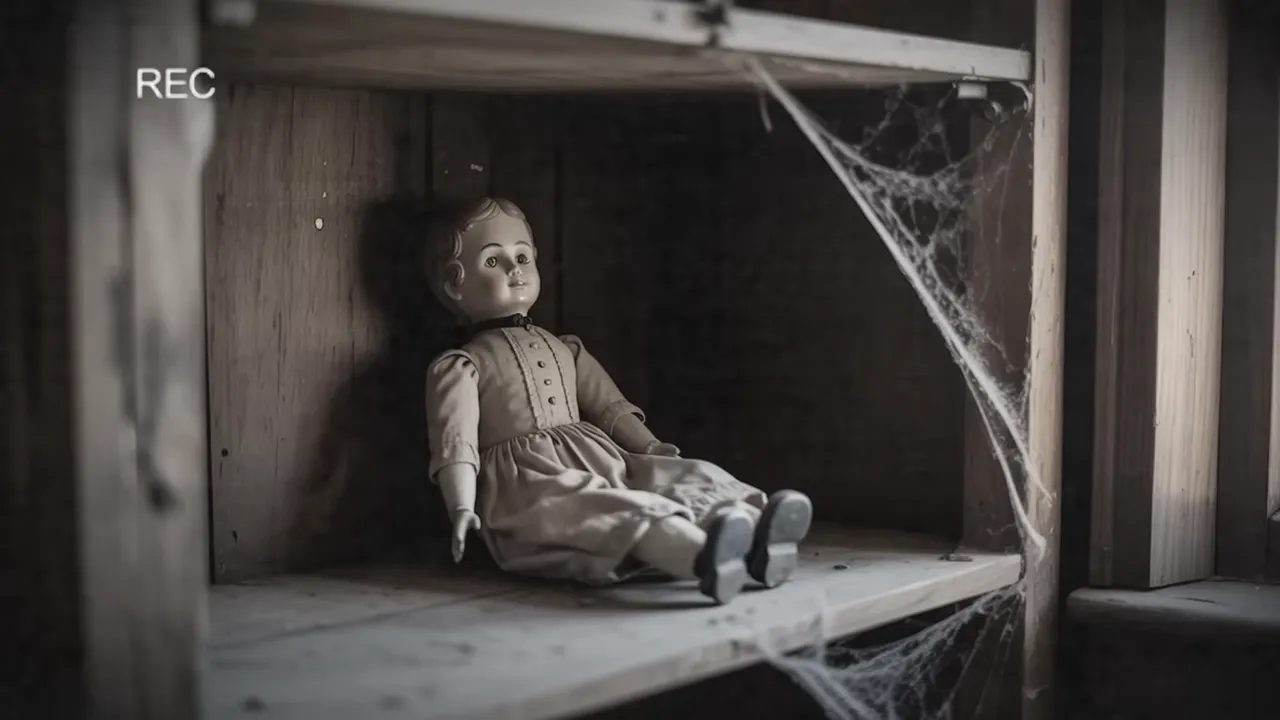
Table of contents
- Introduction — Why dolls can become more than objects
- Story 1: Cordelia — The Whispering Doll (Salem, MA)
- Story 2: Evangeline — Eyes That Follow (Valdosta, GA)
- Story 3: Katazina — The Immigrant Doll (Denver, CO)
- Story 4: Belinda — The Cursed Birthday Doll (Phoenix, AZ)
- Story 5: Goody Abigail — A Witch Trials Legacy (Salem, MA)
- Analysis — Shared patterns, possible explanations, and the role of context
- What to do if you suspect a haunted object — Practical steps and resources
- Final thoughts — Respect, history, and the unknown
Introduction — When a toy becomes more than a toy
There’s something uniquely unnerving about a child's toy that behaves like an adult: still, attentive, and somehow aware. The stories you’ll read here started in innocuous places — estate sales, attics, cedar chests, garage sales — and quickly escalated into episodes that put children, families, and investigators at risk. Each case in this collection began with normal human desires: nostalgia, curiosity, an attempt to preserve a family heirloom or piece of history. The consequences were anything but normal.
Before we dive into the cases, a quick note about sourcing and voice: the accounts were verified through witness interviews, archival research, and the work of experienced paranormal investigator Dr. Patricia Holbrook. Wherever possible, I quote directly from witnesses and summarize official findings to provide a coherent narrative that remains faithful to what was reported.
Story 1 — Cordelia: The Whispering Doll (Salem, Massachusetts)
How it began
In October 2019 Rebecca Mitchell found a Victorian-era porcelain doll at an estate sale tucked in the attic of a colonial home. The doll — named Cordelia by Rebecca’s eight-year-old daughter Emma — had porcelain skin, dark ringlet curls, and an elaborate burgundy dress with tiny pearl buttons. What should have been a sentimental addition to the Mitchells’ antique collection turned into the catalyst for weeks of terror.
The estate seller offered the doll for free, with a warning that Rebecca should take it "far away." She declined to heed the warning, and over the next two weeks Emma exhibited behavior that shifted from sweet obsession to full possession-like symptoms.
Escalation: sleepwalking, voices, and a secret garden
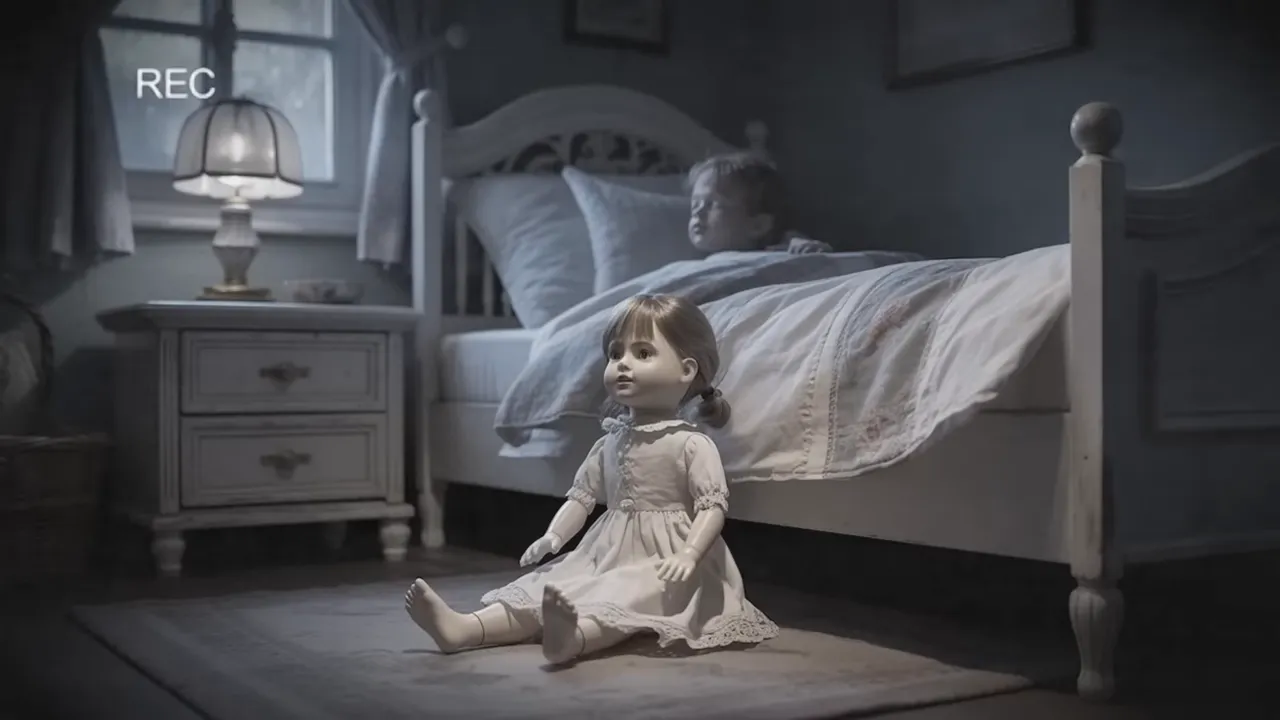
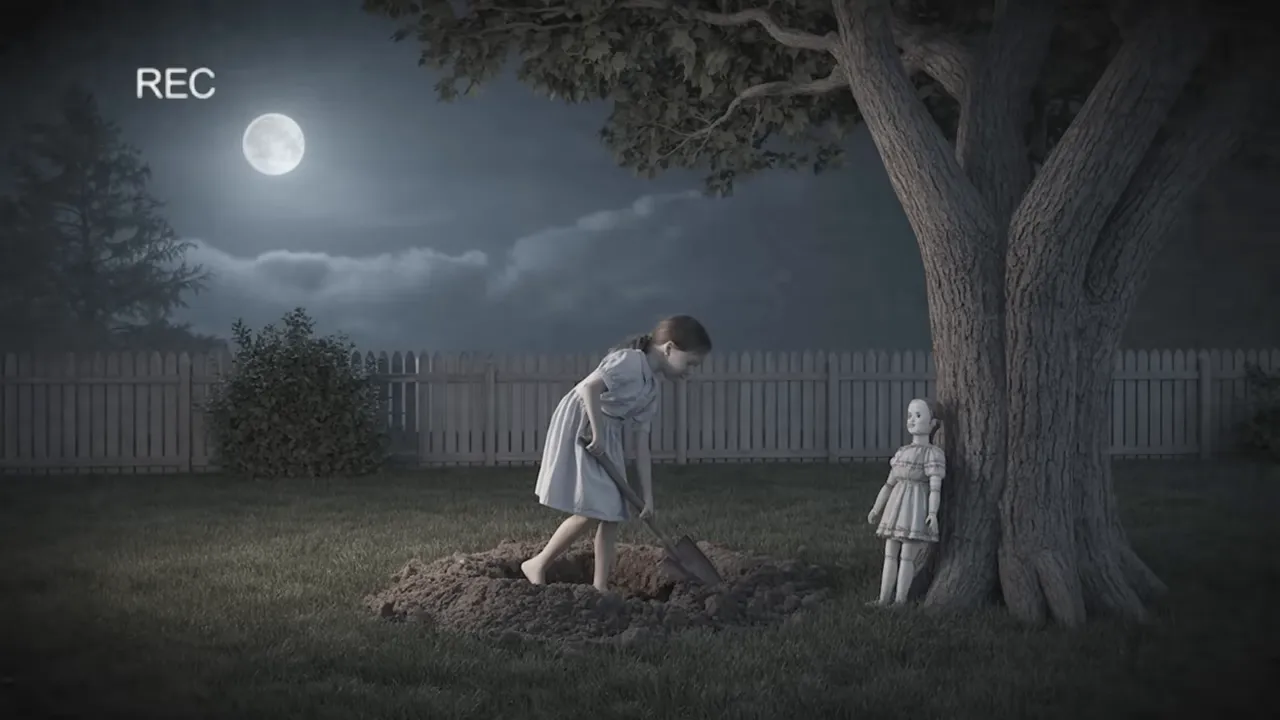
At first the incidents were subtle: Cordelia moved from the shelf to the foot of Emma’s bed during the night; Emma reported whispers and secrets about children who once lived “in the house.” Over time the behavior intensified. Emma began holding conversations with someone Rebecca could not hear. She sleepwalked repeatedly, clutching Cordelia and wandering to different parts of the home while lapsing into a trance. On one terrifying night Rebecca found Emma digging a two-foot hole in the backyard at 3 a.m., convinced she was burying “Mary,” a child Emma said had died of scarlet fever decades ago.
Rebecca checked local historical records and found, to her horror, that there had indeed been a child named Mary who had died in the 1840s and whose burial site likely fell within the current property boundaries. This connection moved the case from the anecdotal to the historically verifiable.
Investigation by Dr. Patricia Holbrook
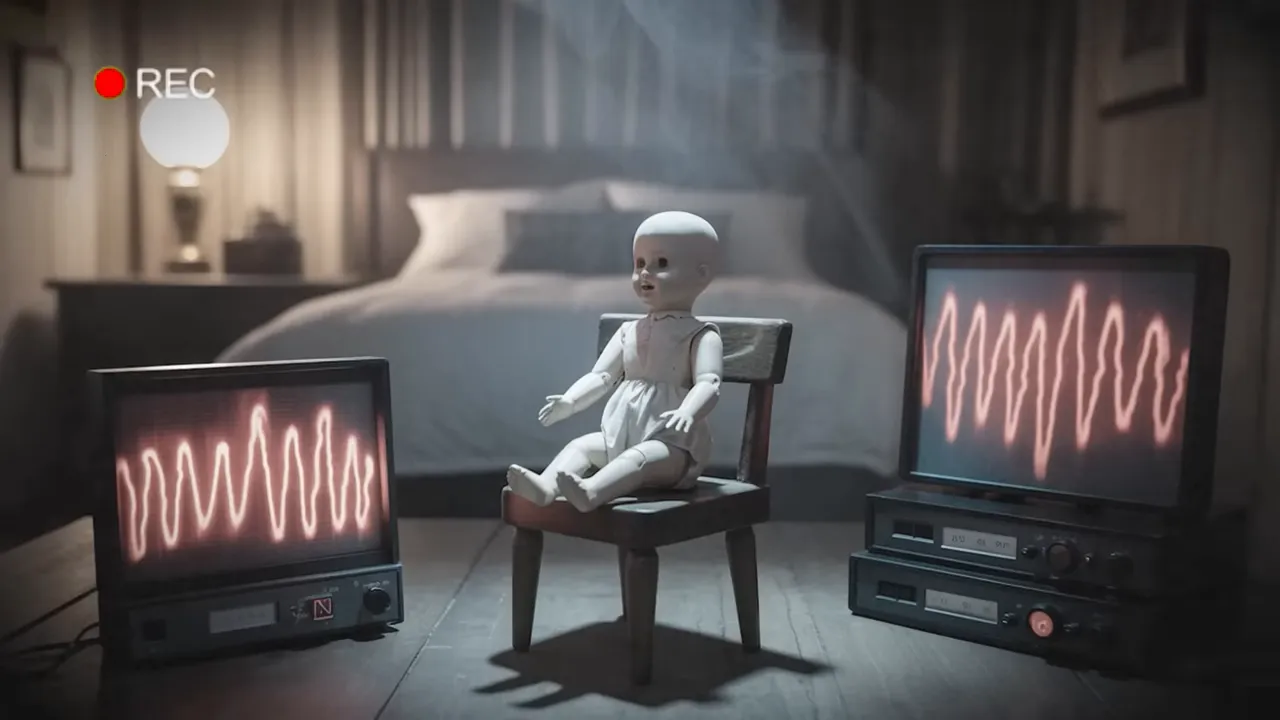
Rebecca contacted Dr. Patricia Holbrook, a paranormal investigator specializing in haunted objects. Within minutes of entering Emma’s room Dr. Holbrook’s EMF detectors and thermal cameras recorded anomalous readings: sudden temperature drops around Cordelia and EMF spikes when anyone approached the doll. Audio devices captured intermittent child voices; video showed the doll in positions different from where it had been placed.
Most disturbingly, Dr. Holbrook traced Cordelia’s provenance through multiple prior owners and discovered a pattern: in five earlier households, a child had died or experienced severe behavioral changes within two years of the doll’s arrival. The symptoms — sleepwalking, fixation on the doll, disassociation — were near-identical to Emma’s condition.
Containment and aftermath
The Mitchells attempted to dispose of the doll, but each time Cordelia returned to Emma’s room. On the night Cordelia was removed, the house experienced a coordinated electronic failure: light bulbs burst, smoke detectors shrieked, and the temperature plummeted. Emma convulsed and spoke in voices not her own during the extraction.
After Cordelia was removed to a secure, climate-controlled facility, Emma recovered almost immediately. Cordelia is reportedly kept in a sealed vault with protective wards and 24-hour monitoring. Surveillance staff have recorded the doll changing position and occasional childlike vocalizations emanating from the sealed vault.
Key takeaways from Cordelia
- Historical research verified the doll's connection to prior unexplained child deaths.
- Physical evidence (EMF spikes, thermal anomalies, audio recordings) accompanied witness testimony.
- Containment reduced harm, but questions remain about residual effects on property and community.
Story 2 — Evangeline: Eyes That Follow (Valdosta, Georgia)
A family heirloom and the danger of legacy
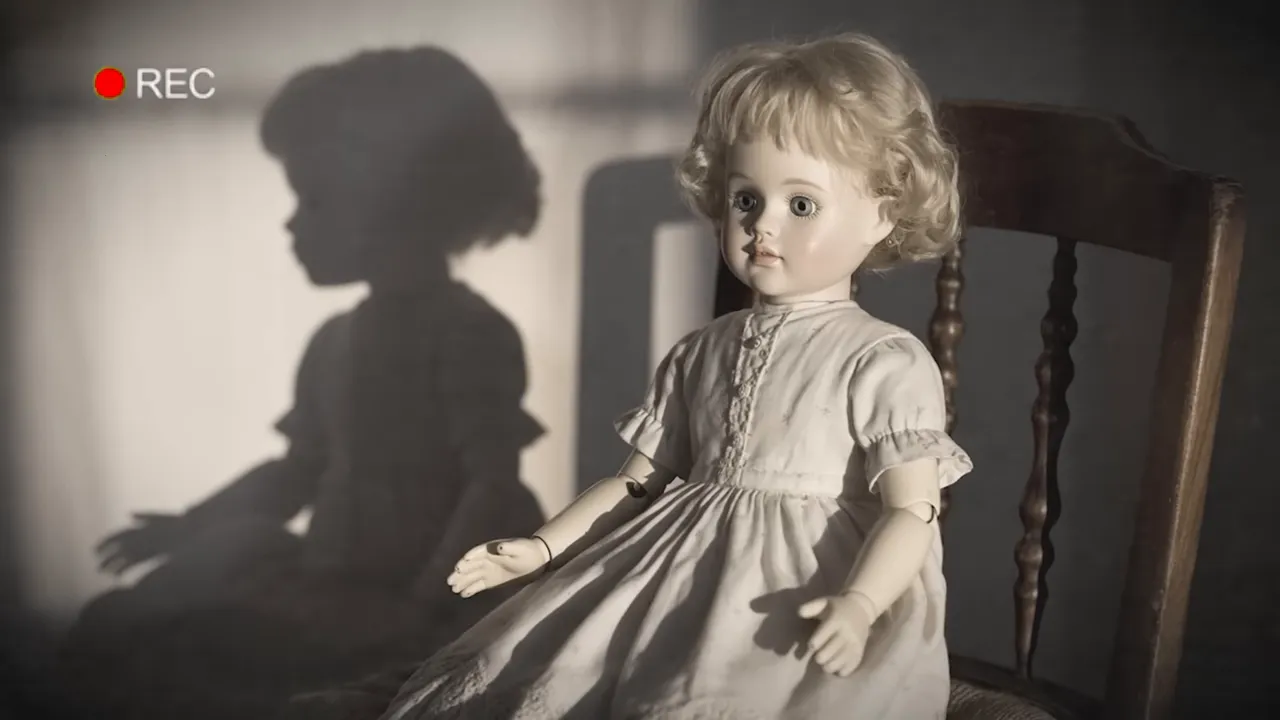
The Hendersons moved into their grandmother’s farmhouse in March 2021 and found an ornate, nearly three-foot-tall doll named Evangeline tucked away in a cedar chest. With glass eyes that seemed unnervingly realistic and a once-white Victorian dress yellowed with age, Evangeline felt like a tangible connection to generations of family history. Lily, the nine-year-old daughter, became instantly enchanted. Marcus, her older brother, felt unease.
Signs the doll was more than an antique
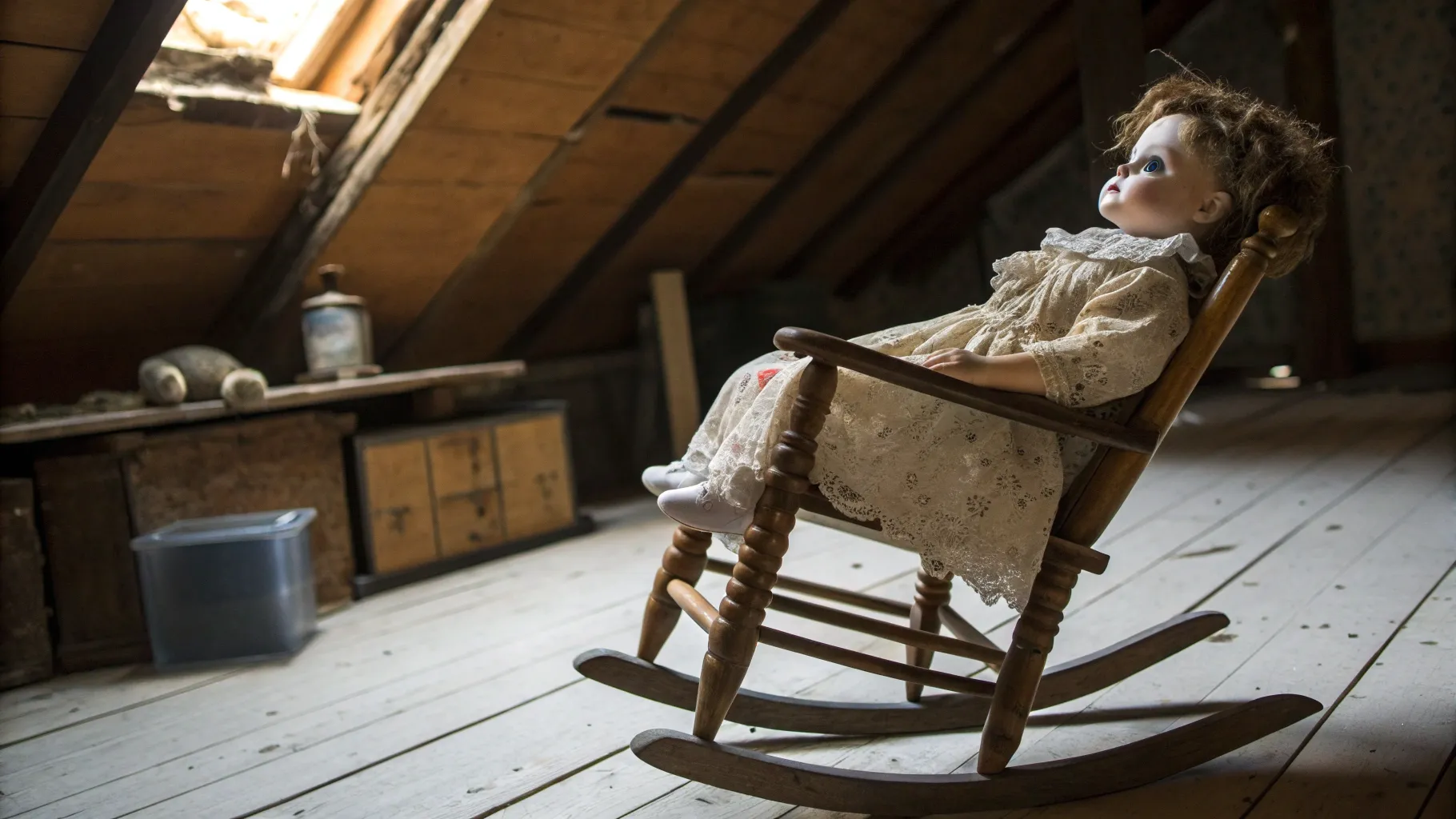
Within days the doll was appearing in different rooms, always watching. Evangeline would be on the kitchen counter watching the stove, on the coffee table watching the television, or sitting in a rocking chair that inexplicably swayed. The family dog began to bark and growl at the doll, refusing to enter rooms where it sat.
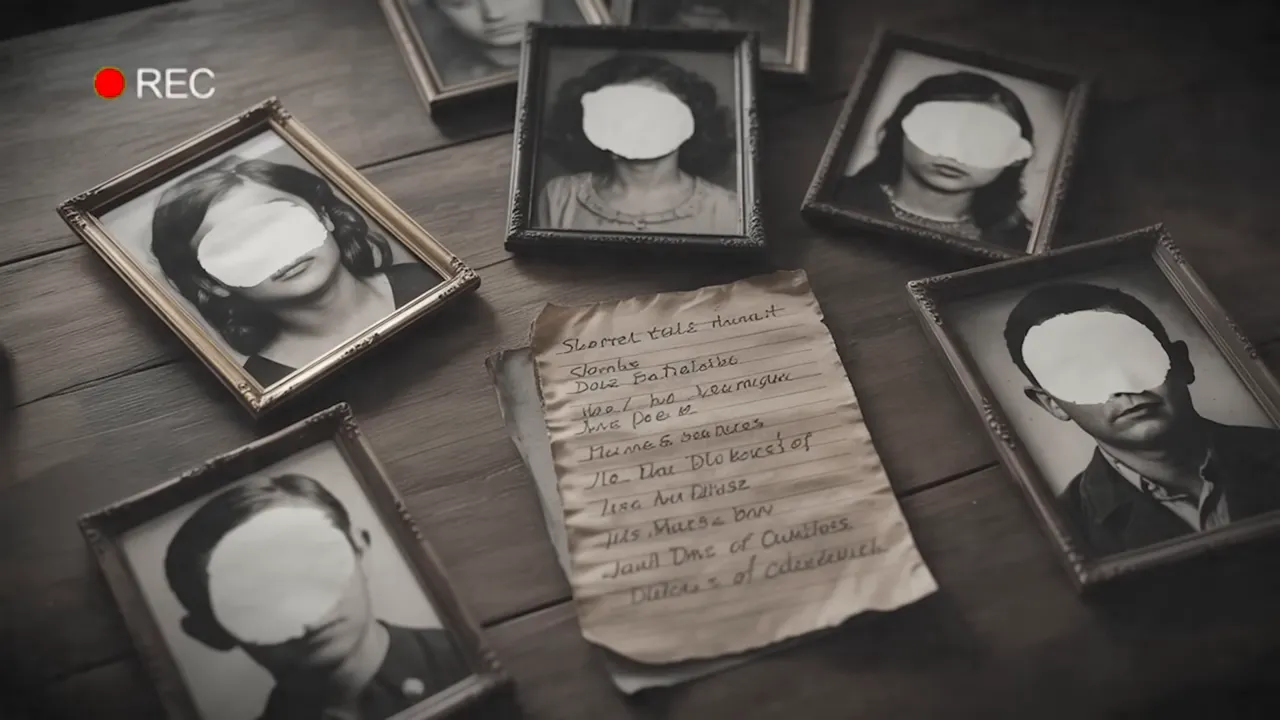
Lily’s relationship with Evangeline became possessive and isolating. She claimed the doll told her stories and warned her about dangers; Marcus experienced nightmares of a hollow-eyed girl beckoning him into darkness. Photographs found in the cedar chest revealed scratched-out faces and handwritten notations about dates and deaths — a macabre record of victims tied to the doll.
Investigation and revelation
Dr. Holbrook’s investigation reported EMF readings "off the charts" around Evangeline, thermal imaging indicating a cold signature, and a genealogical link tying the doll to Elizabeth Fairchild, a sickly child who died in 1922. Elizabeth had declared that “Evangeline would protect the family forever.” Tracing the Henderson family history revealed a pattern of deaths occurring within two years of the doll being introduced to a household.
Through the photographs, Dr. Holbrook concluded that Elizabeth’s spirit had attached to the doll and that her concept of protection had become twisted into possessive violence — eliminating perceived threats to the doll’s chosen companion.
Ritual, collapse, and liberation
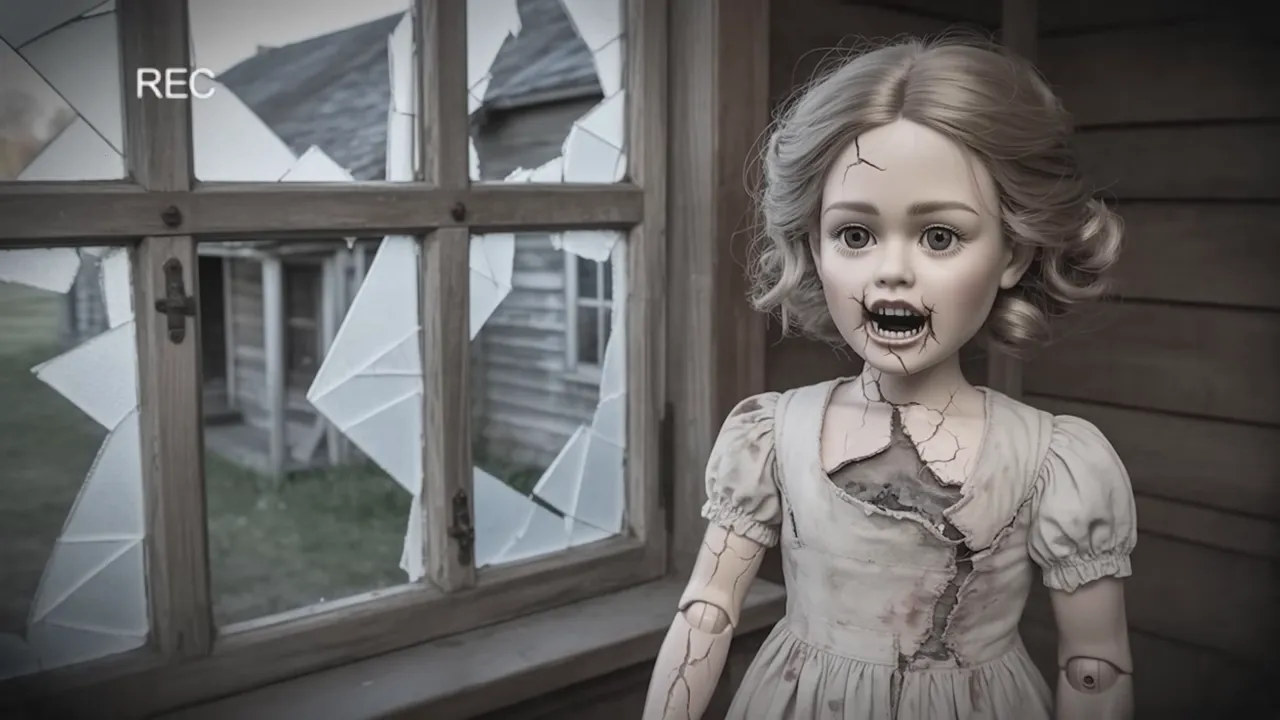
The cleansing ritual Dr. Holbrook performed encountered fierce resistance. Windows shattered, frost formed on the walls in summer, and Evangeline's features contorted during the confrontation. Elizabeth's spirit manifested as a translucent child screaming for revenge; the ritual ultimately freed the trapped spirits and destroyed the doll, causing it to crumble to dust.
Though Evangeline's physical presence was destroyed, the emotional and psychological damage to the Henderson family lingered. Lily developed a lasting fear of dolls; Marcus continued to have nightmares for months afterward. Dr. Holbrook’s subsequent research found that Elizabeth had other cherished dolls, including one named Rosemary that remained unaccounted for — an open-ended danger that still haunts her ongoing work.
Story 3 — Katazina: The Immigrant Doll (Denver, Colorado)
Immigrant grief embodied in porcelain
The Kowalski family purchased an exquisite bisque porcelain doll at an estate sale in Denver, believing they had found a meaningful artifact of their Polish ancestry. The doll, named Katazina (Katarzyna in Polish), came with a warning: it had belonged to a little girl named Zofia who died of typhus on the journey to America in 1903.
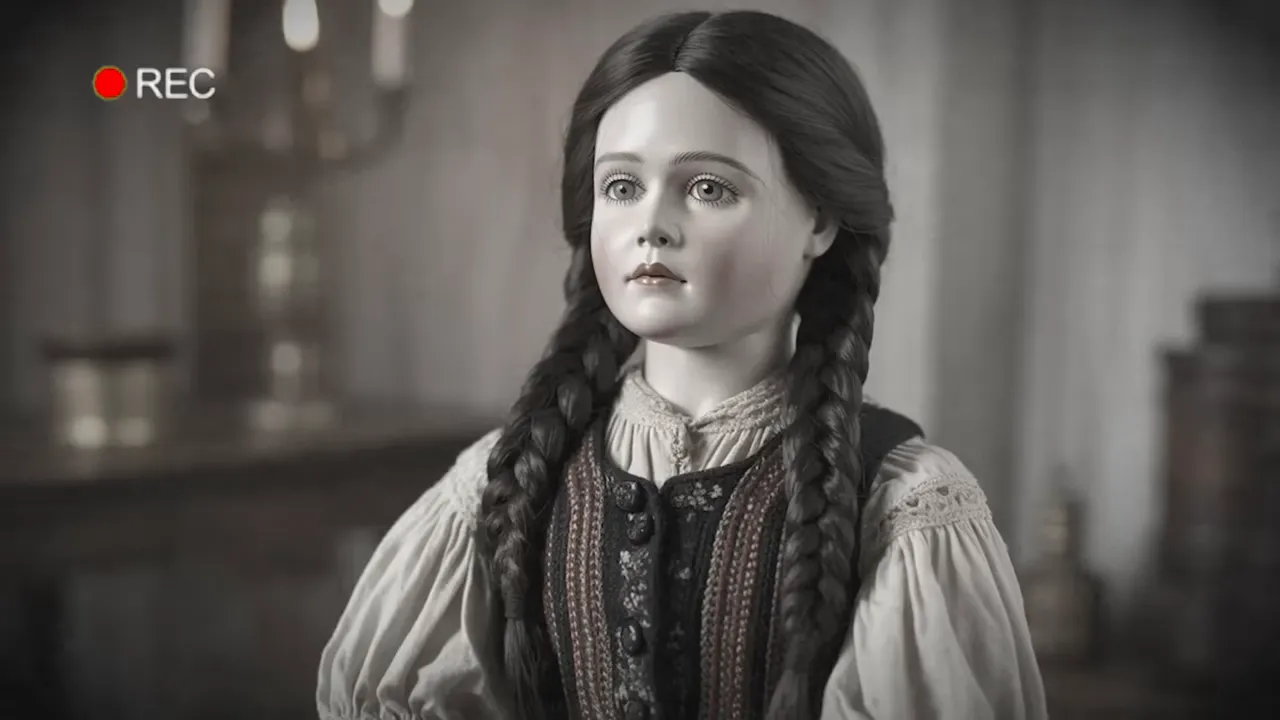
The family, particularly their 16-year-old daughter Anna, felt an immediate connection. The doll seemed to offer a direct, emotional link to the immigrant experience — and it brought with it a sadness that would not be soothed by mere display.
Progressive symptoms and troubling dreams
Within days Anna reported strange nocturnal incidents: the doll would be on the floor in the middle of the night surrounded by Anna’s belongings placed in a circle like offerings; family members shared intense, similar dreams of a crowded, diseased ship where a child clutched a doll and cried silently for help.
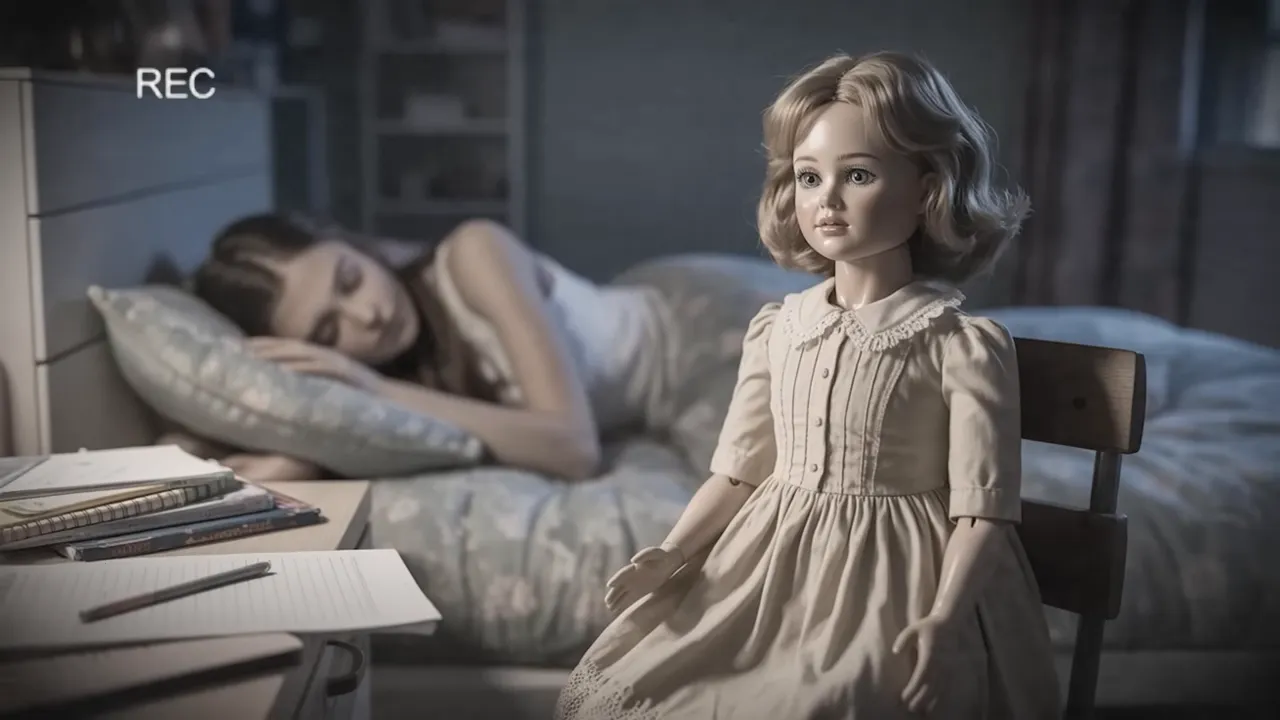
Anna’s physical health deteriorated: headaches, a persistent cough, pallor — symptoms reminiscent of typhus. Bloodwork remained normal, yet her behavior changed. Her journal showed a transition in handwriting and voice: entries transformed into early twentieth-century script recounting life aboard immigrant vessels and the final moments of a child named Zofia.
Cultural sensitivity and ritual resolution
Dr. Holbrook approached the case with cultural sensitivity. She enlisted a Polish-language professor and a genealogist and tracked down living relatives of Zofia in Poland. The team's goal was not to exorcise through force but to provide closure — to allow the grieving child’s spirit to understand that her family in America had remembered her and carried her memory forward.
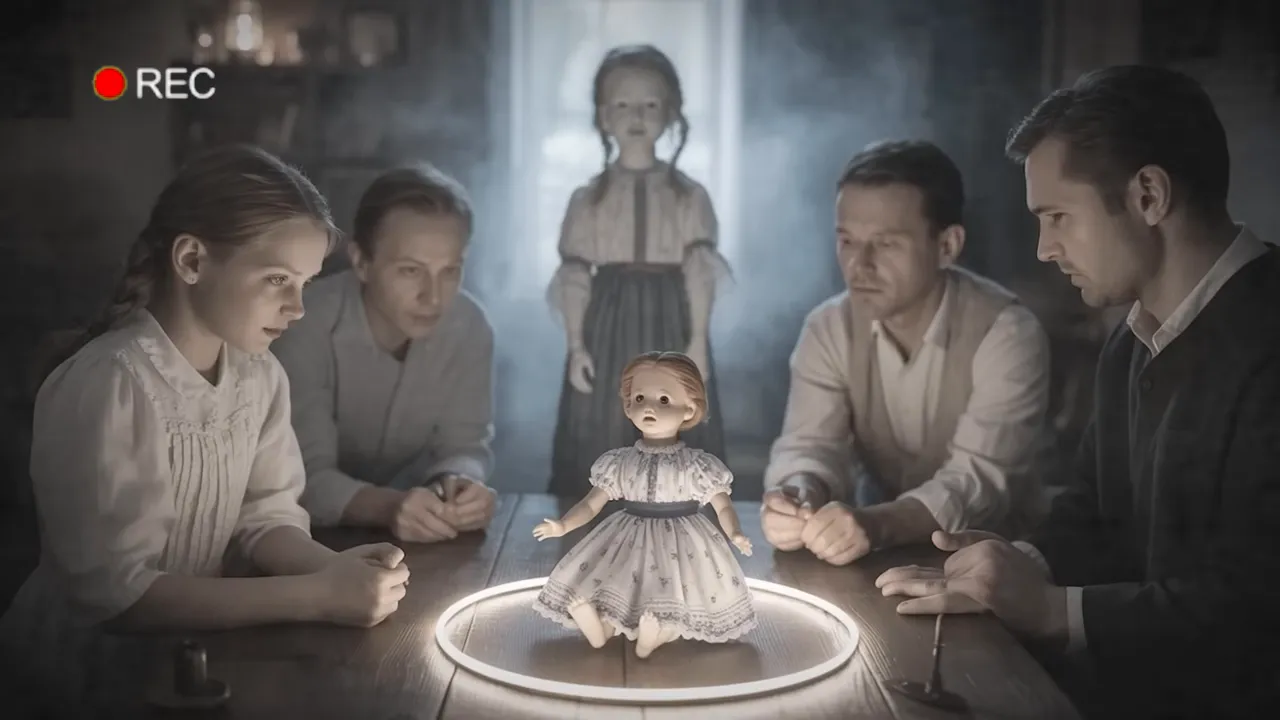
The ritual was participatory: Zofia’s living descendants spoke to her in Polish, explained her fate, and assured her she was not forgotten. The doll dissolved peacefully as Zofia accepted the truth and released her attachment. Anna recovered immediately and fully once Zofia moved on; the Kowalskis created a small memorial in their home to honor Zofia and others who did not survive the crossing.
Why this case matters
Katazina’s story demonstrates that not all spirit attachments are malevolent. Some are born of unresolved grief, cultural dislocation, and the trauma of untimely death. Addressing those bonds requires sensitivity, historical awareness, and sometimes the participation of living relatives to provide the sense of home and closure a lost child never experienced.
Story 4 — Belinda: The Cursed Birthday Gift (Phoenix, Arizona)
An ordinary garage sale becomes a danger
The Williams family purchased Belinda at a garage sale while trying to help their seven-year-old daughter Sophie settle into a new school in Phoenix. Belinda — a delicate porcelain doll with blonde curls and glass eyes — had a mysterious aura. The seller, Mr. Garrison, told them that his late sister Margaret had never recovered from the doll's influence after claiming it spoke to her and revealed secrets.
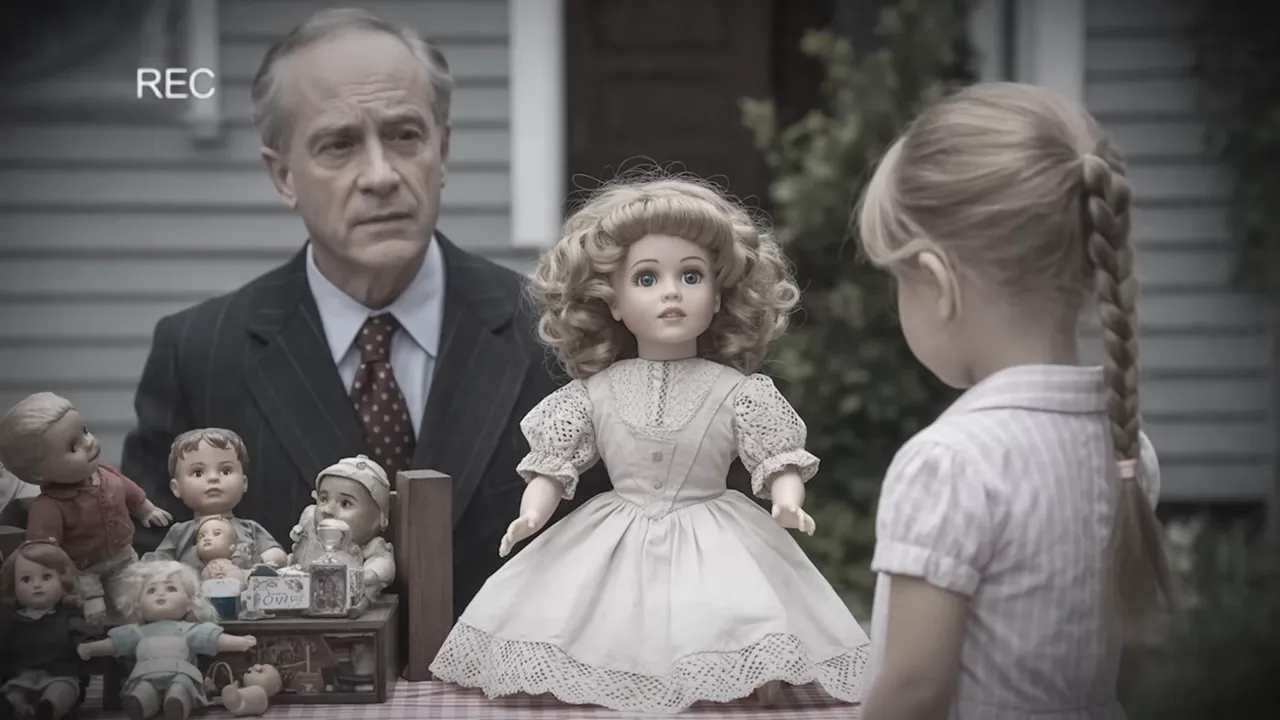
Despite the seller's grim history, Linda Williams was drawn to the doll's antique charm and bought it for Sophie. What followed would reveal one of the most malevolent cases Dr. Holbrook had encountered.
Possessive influence and prophetic visions
Sophie's dreams turned prophetic; the doll warned her of events before they happened. The family observed sleepwalking, nighttime arguments heard in Sophie’s room while she slept, and a specific incident where Sophie walked toward a busy street in a trance, intent on completing some unknown mission that Belinda had entrusted to her.
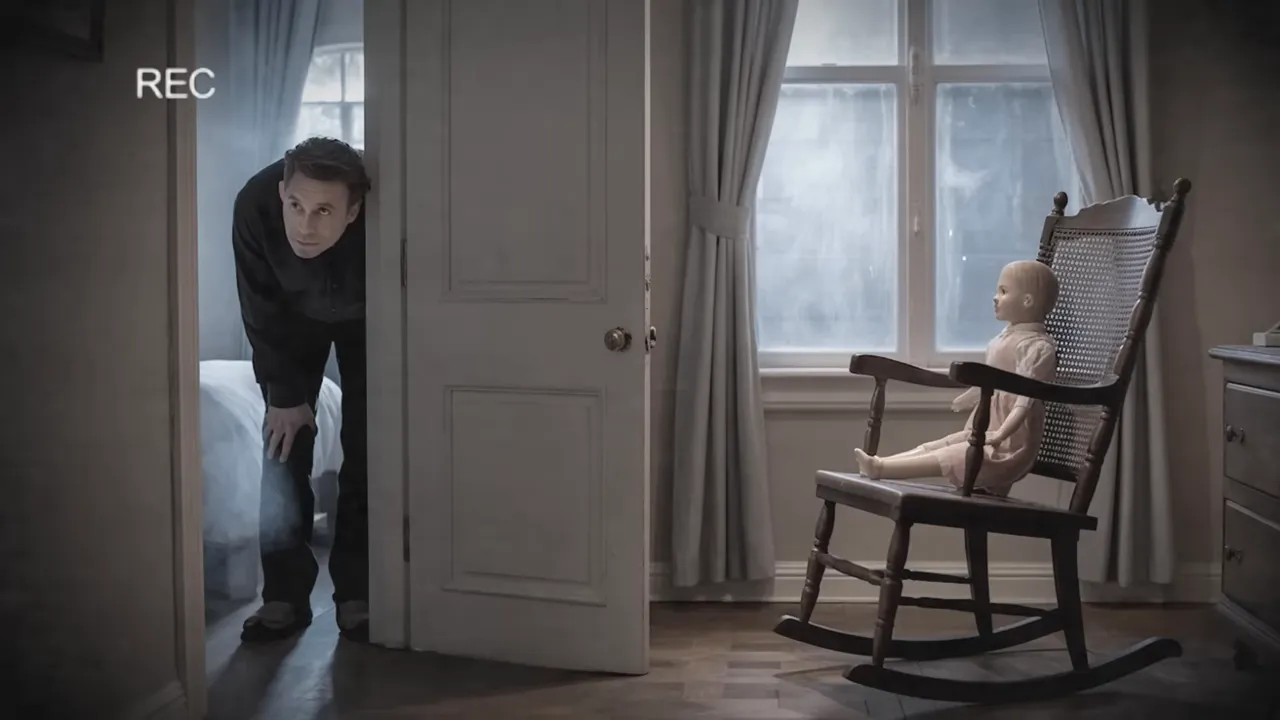
Research revealed that Belinda had been handcrafted by a grieving mother, Evelyn Marsh, who poured her own loss and obsession into a line of dolls after her daughter died in an accident. Evelyn's anguish — and the pattern of family losses that followed each doll — suggested Belinda had become a vessel for hungry spirits drawn to unresolved grief and human obsession.
Exorcism and destruction
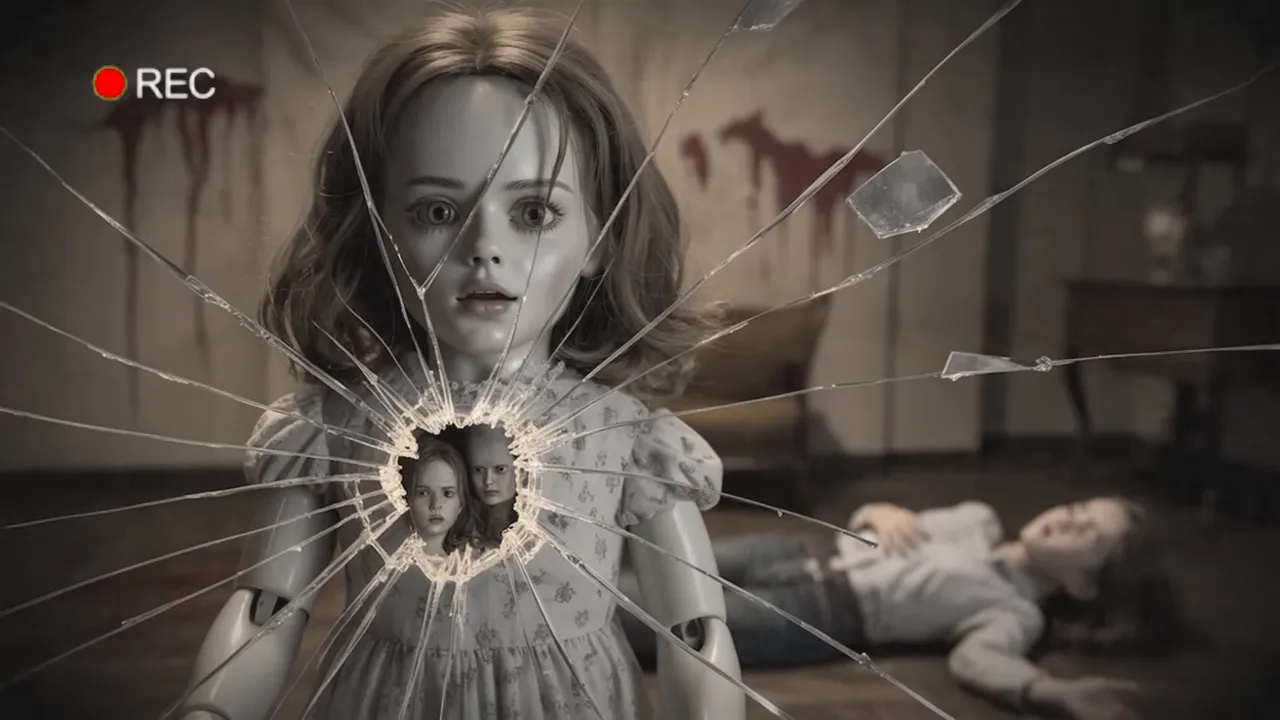
The exorcism required physical destruction. During the ritual the house reacted violently: glass shattered, walls wept, and Belinda's porcelain face cracked to reveal writhing shadows. The trapped spirits poured out like smoke, crying and pleading. Sophie collapsed as the possession was severed and ultimately recovered, but the Williams family never fully felt safe again in that house.
Lessons from Belinda
- Not all haunted objects begin with a tragedy of the deceased; some are shaped by living obsession and intentional imbuing of energy.
- Children are particularly vulnerable to objects that feed on attention, devotion, and ritualized focus.
- Destruction of the physical vessel may be necessary when spirits are trapped by repeated traumatic energy and refuse peaceful release.
Story 5 — Goody Abigail: A Witch Trials Legacy (Salem, Massachusetts)
Historical trauma condensed into wood and cloth
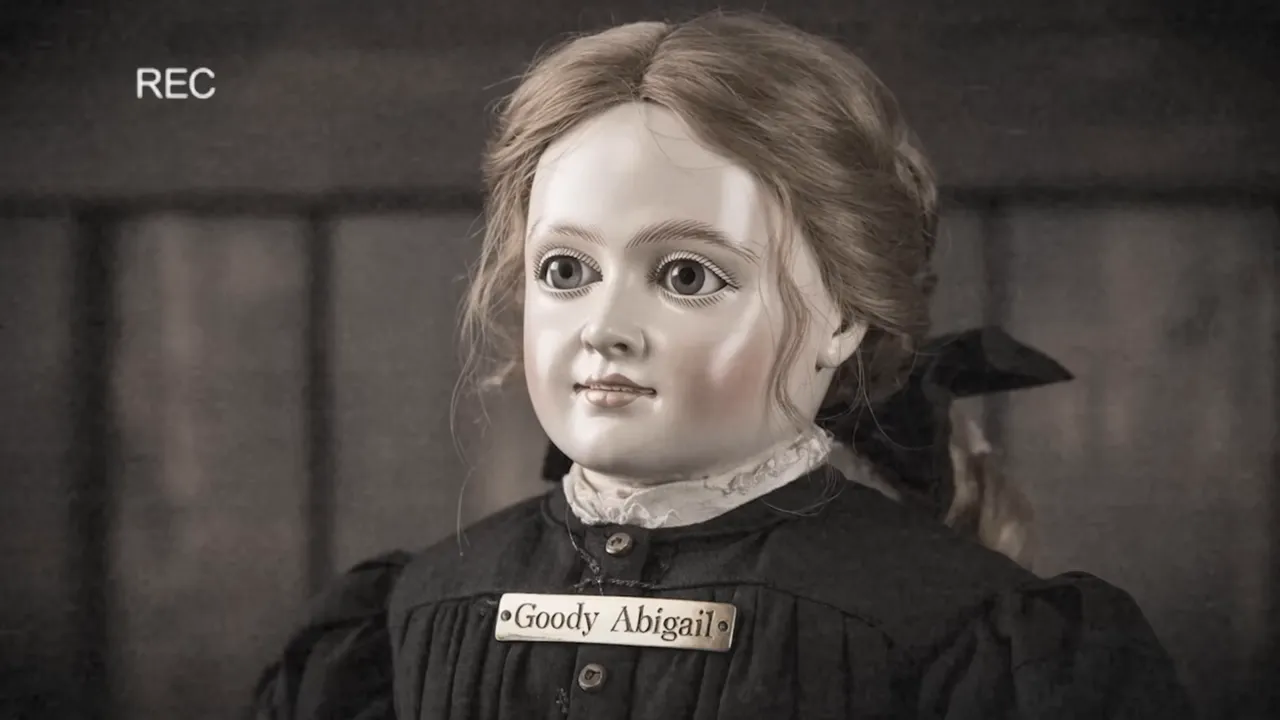
Salem’s history is inescapable. The Morrison family moved to Gallows Hill, drawn to the town’s colonial narrative and its academic opportunities. They found Goody Abigail — an archaic, carved wooden-faced doll in Puritan dress — left behind by previous owners who had uncovered it in a sealed room. The doll bore a brass plate with the name "Goodie Abigail" and seemed to carry the weight of three centuries within its grain.
When studying history becomes dangerous
At first, Emma Morrison’s historically precise dreams were thrilling to her historian parents. She provided insights into trial procedures and personalities that researchers had not previously pieced together. But the content shifted; Emma began adopting the mindset and rhetoric of the accusers, exhibiting convulsions, speaking in tongues, and accusing her parents of witchcraft in the same logic that led to executions in 1692.
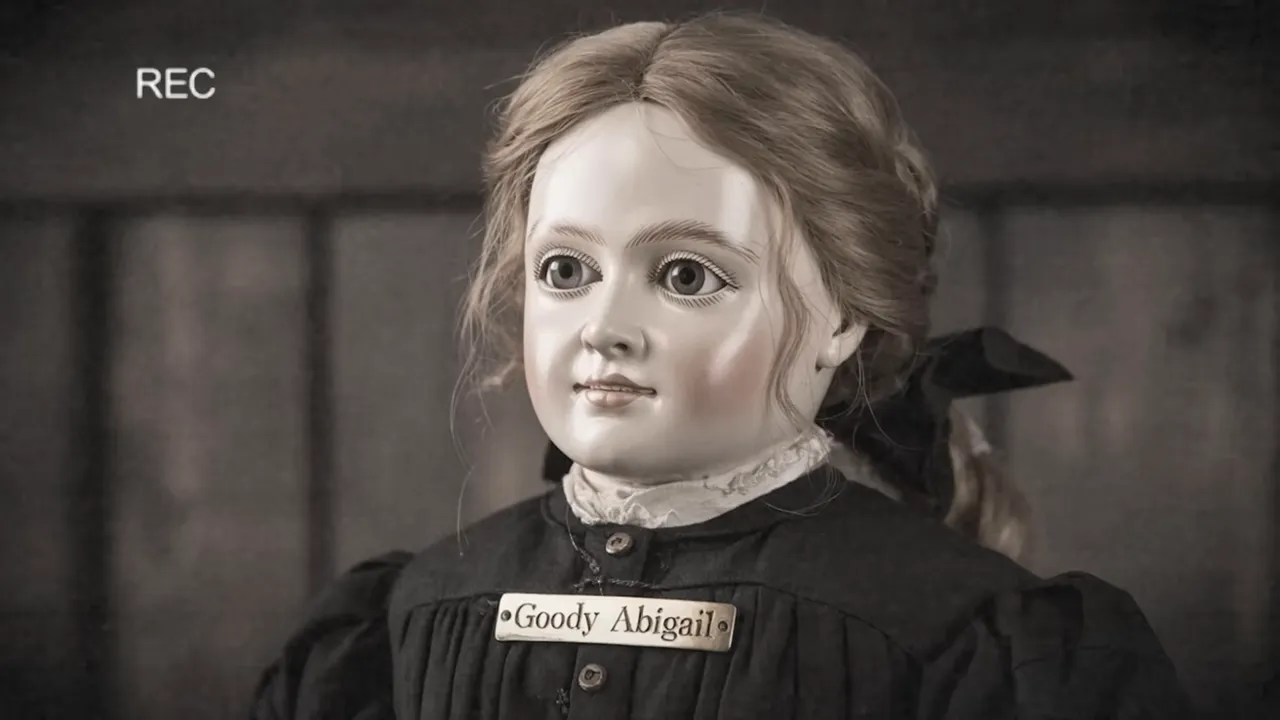
Dr. Holbrook determined that the doll had been intentionally cursed by Abigail Faulkner — a historical figure connected to folk magic who had poured wrath into a physical object as punishment for persecution. Over centuries, the doll had accumulated psychic imprints from both victims and perpetrators, creating a vortex of rage that sought expression through living hosts.
Confronting collective trauma
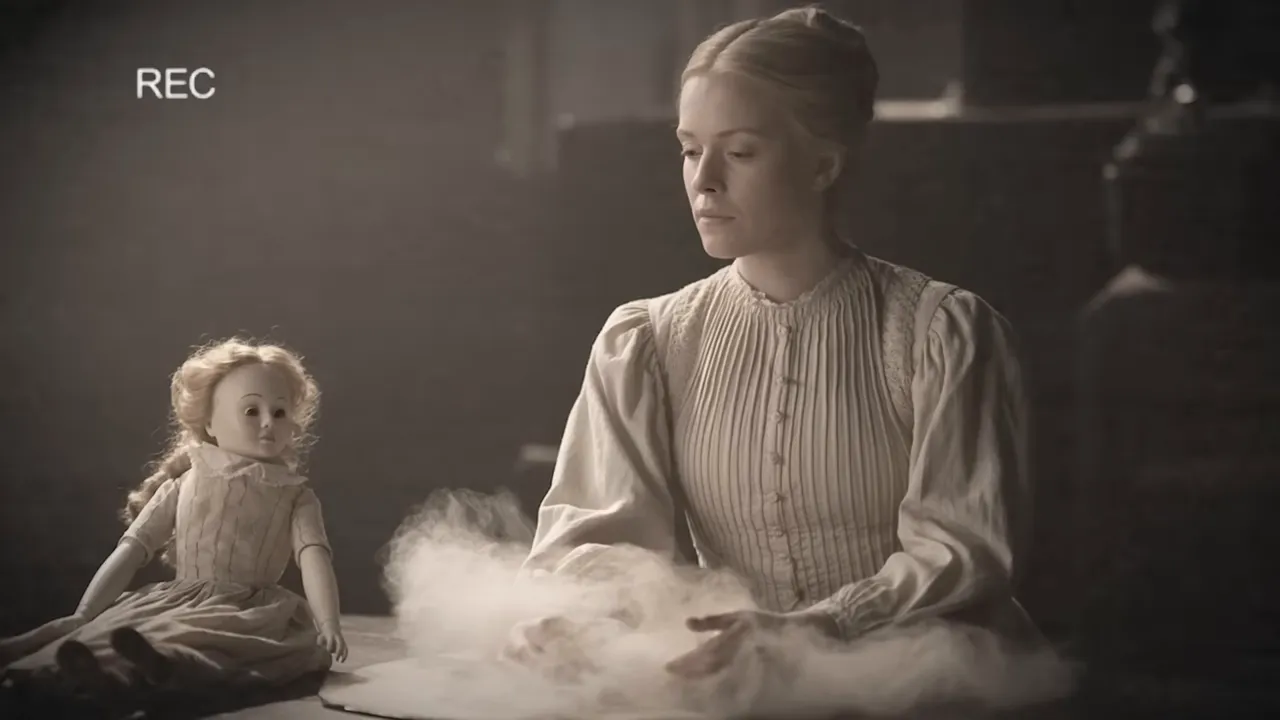
The exorcism was not just a spiritual cleansing; it was an act of historical reconciliation. Abigail Faulkner’s spirit manifested, demanding justice for those wronged. Through ritual and argument, Dr. Holbrook convinced the spirit that vengeance perpetuated suffering. Abigail released her hold; the doll disintegrated and the oppressive weight that had hung over the Morrison household was lifted.
Why the Salem case is unique
Goody Abigail’s case shows how objects can bear the psychic scars of collective trauma. Unlike isolated tragedies, the Salem trials were a systemic event that left deep social wounds. An object like Goody Abigail can act as a container for those wounds, rebroadcasting fear and accusation across centuries until someone interrupts the pattern.
Patterns across the cases — What ties them together?
After documenting five distinct cases, several common threads emerge. These patterns are crucial for understanding not just how haunted dolls behave, but why such objects retain influence in the first place.
1. Attachment to children
In every case, young children formed the primary connection to the dolls. Whether through curiosity, loneliness, or a need for comfort, children often invited prolonged interaction with the dolls and were therefore susceptible to spirit influence. The vulnerability of youth — cognitive, emotional, and physical development — makes them prime conduits for attachments that are either benevolent or predatory.
2. History and unresolved grief
Many of the dolls had clear historical contexts of trauma: premature death, grief, or deliberate curse. Objects that have been central to mourning rituals or obsessive grief (like memorial dolls or handcrafted replicas) tend to carry stronger emotional imprints.
3. Repetition and patterning
Each story revealed a repeating pattern: a doll moves between households; shortly after, symptoms arise (dreams, illness, behavioral changes); the family seeks help; an investigator finds anomalous readings; and, finally, a ritual or containment is employed. This repetition suggests that some dolls become focal points for cyclical energy rather than isolated incidents.
4. Material changes and environmental effects
Common physical signs included sudden temperature drops, EMF spikes, electronics failing, and unexplained movement. These were frequently captured with thermal cameras, EMF meters, and security footage. In many cases the dolls exhibited visual changes during cleansing rituals: stains appearing, eyes darkening, porcelain cracking to reveal something darker within.
5. Two kinds of "attachments"
Not all spirit-object relationships are the same. Broadly, they can be categorized as:
- Grief-based attachments: Spirits attached through unresolved mourning, longing for family, or confusion about death (e.g., Katazina/Zofia).
- Malicious or obsession-based vessels: Objects created or imbued with intense, often pathological emotion (e.g., Belinda created by Evelyn Marsh) or deliberately cursed objects like Goody Abigail used to store and return vengeance.
Investigative methods and evidence
Cases in this collection were documented with a mix of qualitative and quantitative methods. Below I summarize the tools and techniques that produced the most compelling evidence.
1. Historical research
Tracing a doll’s provenance — prior owners, dates, family events — revealed patterns that often connected the doll to deaths or tragedies. Archival records, cemetery maps, family letters, and probate files were invaluable for matching modern experiences with historical events.
2. Technician-grade instruments
Investigators used EMF detectors to look for electromagnetic anomalies, thermal cameras to record localized temperature drops, and audio recorders to capture whispers or voices. While none of these devices "prove" the supernatural, consistent readings during episodes lend credence to witness reports and help identify hotspots for further observation.
3. Psychological and medical evaluation
In several cases medical professionals examined children to rule out illness or psychological conditions that might explain symptoms. Bloodwork, neurological checks, and psychiatric evaluations are necessary steps before concluding a paranormal cause, and these cases emphasize multidisciplinary collaboration.
4. Rituals and containment
Responses varied: containment in a secured facility, culturally appropriate ceremony (as with Katazina), or destructive exorcism (as with Belinda) were used depending on the nature of the attachment. Successful resolutions tended to match the attachment type — empathetic release for grief-based spirits and forceful intervention for malevolent, constructed vessels.
What you should do if you suspect a haunted object
Encountering an item that induces fear or odd behavior is disorienting. Here are steps grounded in the cases above and in best practices from experienced investigators.
- Document everything: Keep a written log of incidents—time, location, symptoms, witnesses. Use video and audio recording when safe to do so.
- Rule out natural causes: Consult medical professionals for physical symptoms. Check structural issues (drafts, settling houses, faulty wiring) that might cause movement or noise.
- Preserve provenance: Try to learn the item’s history. Estate records, family letters, and previous owners provide crucial context.
- Limit exposure: If a child is involved, remove the object from their immediate environment until you know more. Keep it in a locked, cool, dry place away from people when possible.
- Seek respectful investigation: Contact a reputable paranormal investigator who has experience with objects and children. Look for someone who collaborates with historians, medical professionals, and cultural advisors.
- Consider cultural approaches: For objects connected to a specific culture or religion, involve practitioners and relatives who can perform context-appropriate rituals or offer closure.
- Containment as a last resort: If destruction is necessary (and after considering cultural and historical value), do so under the guidance of experienced investigators to minimize potential harm.
Ethical considerations and respect for history
There’s a tension between curiosity and respect. Many haunted objects are historically valuable and may represent real human tragedy. Sensationalism risks trivializing loss. Responsible investigators and families in these stories prioritized:
- Historical verification and preservation where possible (e.g., archiving provenance before containment).
- Culturally appropriate solutions — especially when loss crosses generations and geographies.
- Protection of children and vulnerable family members as the first priority.
In the case of Katazina, for example, the solution required cooperation with living relatives in another country. That approach honored the memory of the child and provided the healing necessary for the living to move forward.
Why dolls are such powerful focal points
Dolls sit at the intersection of the human imagination and the uncanny. They’re crafted to resemble people but lack autonomy — which makes any deviation from passivity feel uncanny at a deep, evolutionary level. Dolls are objects of play, mourning, and identity-making. For the living, they can be memorials. For spirits, they can be anchors. Three psychological and anthropological factors help explain why dolls become focal points:
1. Anthropomorphism and emotional projection
Humans instinctively attribute life to objects that resemble human features. That projection becomes more potent with prolonged emotional investment — play, grief, rituals — making dolls ideal vessels for unresolved feelings.
2. Memory and ritual
Dolls often accompany rituals — funerary practices, memorials, or repetitive caregiving. Ritual concentrates attention and emotional energy, which according to many paranormal theories, can create a persistent imprint.
3. Accessibility
Children interact with dolls at a sensitive developmental stage. Their imaginations and emotional centers are active and malleable, which can make them more open to impressions or influences that adults dismiss. This accessibility turns dolls into bridges between worlds when leave unresolved trauma exists.
Common skeptic arguments and rebuttals
Skeptics will point to misinterpretation, fraud, confirmation bias, and environmental explanations. Those critiques are valid and necessary. Responsible investigators accounted for many of these possibilities: they used medical exams, consulted historians, tested for natural anomalies, and examined social dynamics. Several rebuttals are worth noting:
- Coincidence vs. pattern: Singular eerie events can be coincidental; the strength here is repetition across independent histories that point to a consistent pattern.
- Suggestibility: Children are suggestible, but many cases include adult witnesses who reported independent anomalies (EMF spikes, thermal drops, electronics failure) that are harder to attribute to imagination alone.
- Physical readings: While EMF and thermal anomalies are not conclusive proof, when combined with historical verification and consistent witness testimony, they contribute to a cumulative case.
Resources and next steps for curious readers
If you’re intrigued and want to learn more — whether to protect your family, research haunted artifacts, or simply understand the phenomena — consider these practical resources:
- Local historical societies and genealogical archives — invaluable for provenance research.
- Medical professionals for unexplained symptoms in children.
- Experienced investigators with documented case studies and multi-disciplinary approaches (prefer those who document with audio, thermal, and EMF evidence).
- Religious or cultural leaders when the object has specific cultural or spiritual associations.
Closing thoughts — Respect history and caution over curiosity
Each of the five stories in this collection offers a lesson. Cordelia taught us that haunted objects can carry multiple attachments. Evangeline showed how a protective sentiment twisted into possessive harm. Katazina illustrated how cultural sensitivity and family closure can bring peace. Belinda warned of manufactured malevolence created by human obsession. Goody Abigail reminded us that historical injustices can preserve trauma in material form.
These stories are unsettling, but not all endings are violent. Some spirits need recognition and a place to rest; some objects can be contained and monitored. The key is not to sensationalize, but to combine empathy, rigorous documentation, and professional help. Whether you’re a collector, a parent, or a casual browser intrigued by haunted dolls and cursed toys, remember: objects come with histories. When those histories involve loss, rage, or obsession, they may carry consequences into your living room.
If you see a doll at an estate sale — a short checklist
- Ask about provenance and previous owners.
- Look for signs of ritual use (offers, circles, ash, or unusual wear patterns).
- Avoid bringing items with an uneasy feeling into a home with small children until fully researched.
- If the seller seems unusually eager to part with the item or warns you to "take it far away," pause and investigate further.
"Some dolls are waiting for more than just a new owner — they're waiting for their next victim." — Tales Beneath the Bed
Thank you for reading this in-depth examination of five true haunted doll cases. If you found these stories compelling, consider researching responsibly and thinking twice before welcoming an unknown artifact into the most intimate spaces of your life. And if you ever feel a cold spot in the room or notice a photograph scratched in a pattern you can't explain, document it, seek professional input, and never dismiss what your family is experiencing.
Sweet dreams — and a warning: when glass eyes follow you home, history may have come with them.