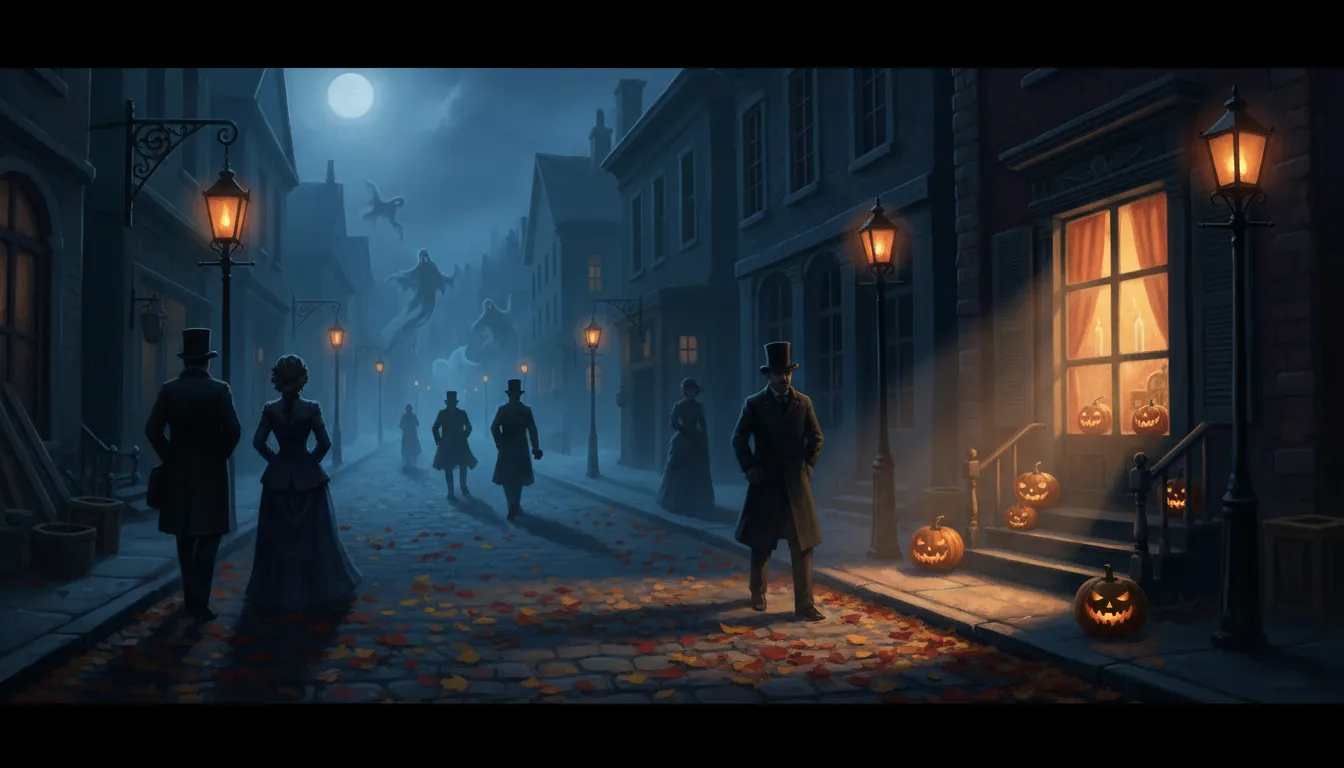
Halloween has changed dramatically since the late 1800s, but many of today’s familiar Halloween themes have deeper roots than most people realize. In 1890, Halloween was neither the candy-and-costume holiday many know today nor a purely grim night of superstition. It was a blend: Victorian parlor rituals, folk charms, street mischief, and ghost stories told in candlelight and fire glow.
This guide explains what Halloween looked like in 1890, why it mattered socially and culturally, and which traditions you can research further. It is written for anyone who is curious about Victorian Halloween, folklore, and the history of haunted-season customs.
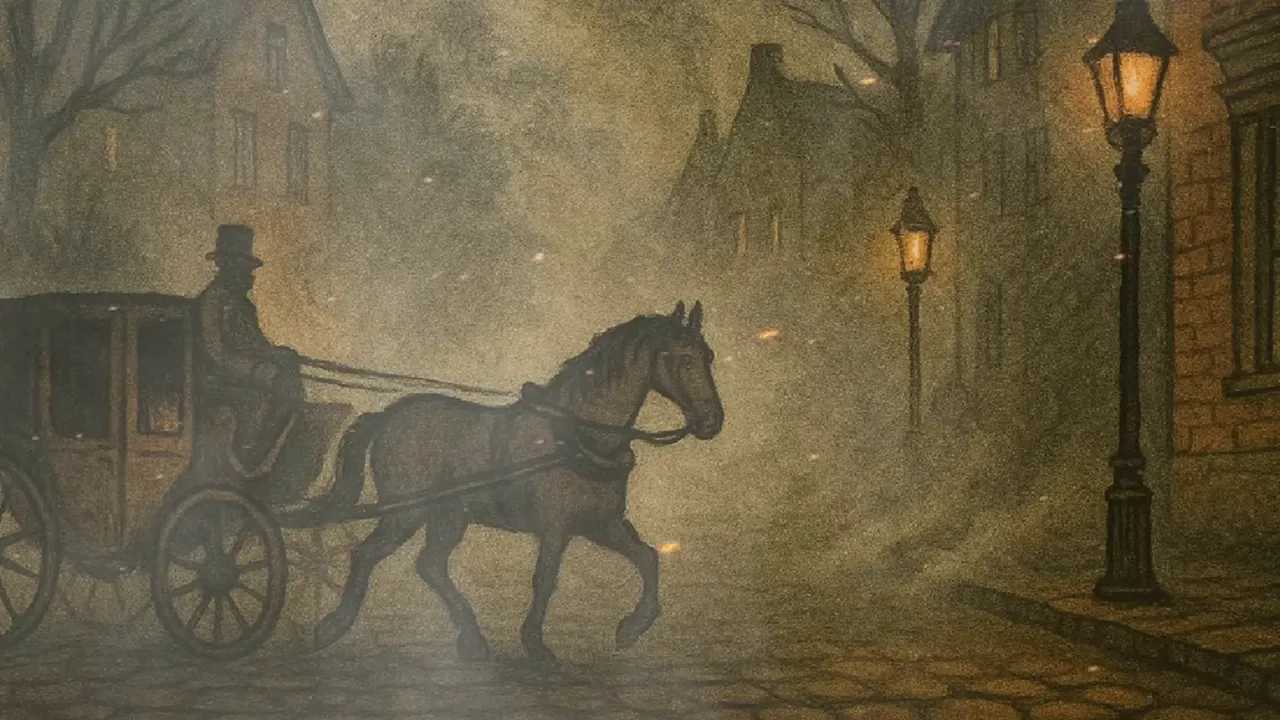
Table of Contents
- What “Halloween in 1890” meant (and why it felt so different)
- Victorian Halloween indoors: parlor games, fortune, and “cozy” supernatural play
- Victorian Halloween outdoors: pranks, boundary testing, and community responses
- Ghost stories and séances: why “the supernatural” was part of mainstream 1890 culture
- Seasonal Halloween food in 1890: what people actually ate
- How Halloween traditions shifted over time (from 1890 toward modern Halloween)
- Pitfalls and misconceptions about Halloween history
- A practical checklist: researching Victorian Halloween traditions responsibly
- FAQ about Halloween traditions in 1890
- Takeaway: the heart of Halloween in 1890
What “Halloween in 1890” meant (and why it felt so different)
To understand Halloween in 1890, it helps to see it as a night on the edge of change. Many communities were experiencing modernity: gas lamps, expanding newspapers, and new technologies. Yet daily life still revolved around older rhythms: home fires, handmade tools, and neighbor-to-neighbor routines.
Halloween in this period carried two simultaneous meanings:
- A social holiday with games, visits, storytelling, and seasonal food.
- A folk belief night where boundaries between the ordinary and the supernatural felt thinner.
That dual nature shaped everything from how people decorated (often subtly) to what they did indoors versus outdoors.
Victorian Halloween indoors: parlor games, fortune, and “cozy” supernatural play
In many homes, Halloween gathered people into a parlor, a room designed for conversation and controlled social rituals. Lighting was practical and atmospheric: oil or gas lamps, candles, and a hearth. The result was less “theatrical horror” and more intimate eerie: a warm room with unsettling curiosity.
Apples as a centerpiece of play and prophecy
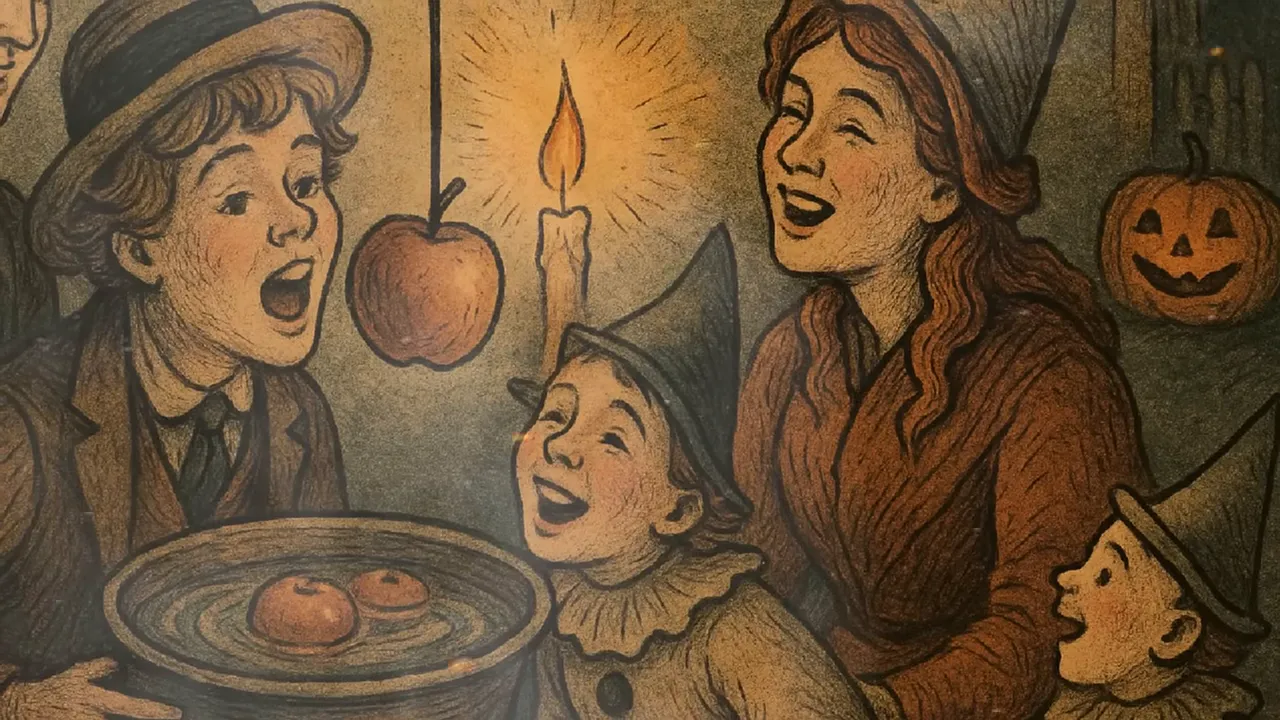
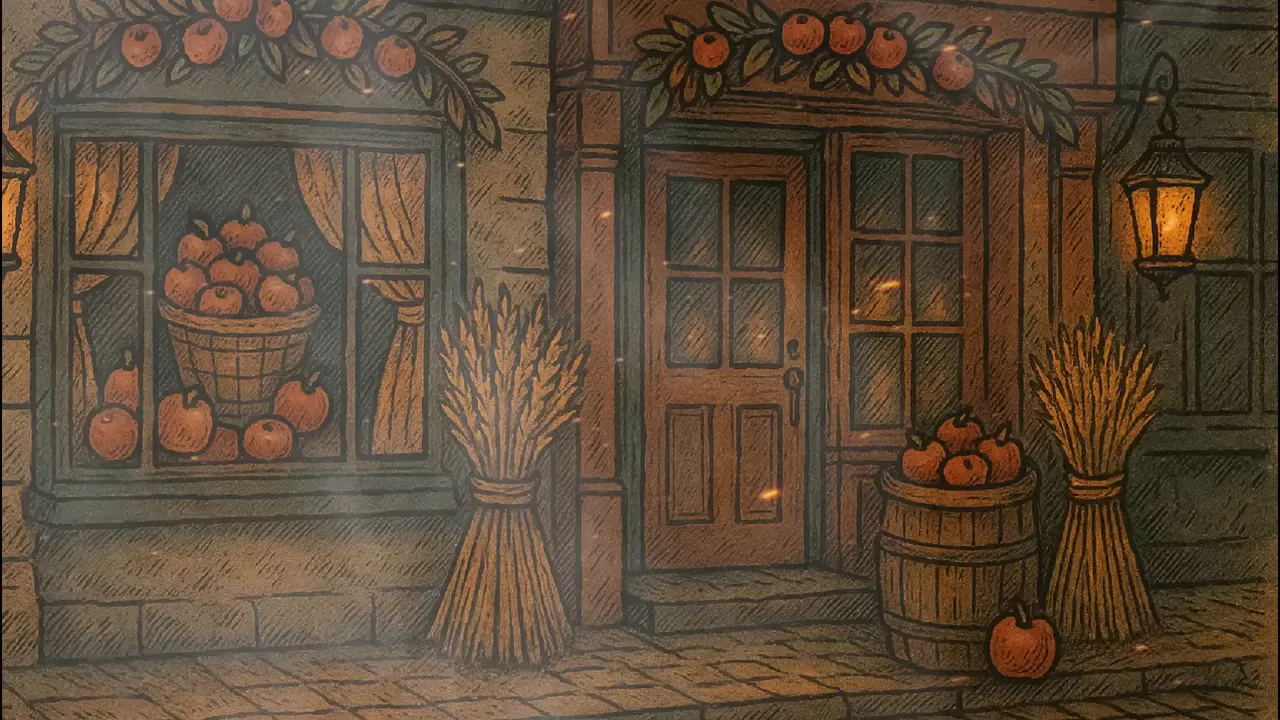
Apples were central because they were abundant in autumn and tied to home life. Beyond eating them, people used apples in games that seemed harmless but also carried meaning. Several traditions pointed to the future in a playful way.
- Bobbing for apples: a shared challenge that tested luck, timing, and good humor.
- Apple-peel fortunes: a practice where the peel is formed and interpreted for letters or initials, often connected to romantic futures.
- Apple and nut rituals: treats that doubled as “omens” when paired with fire or heat.
Even when people did not strictly believe in supernatural outcomes, the games still created a shared language for the season: laughter with an undertone of mystery.
Nuts and heat: omens disguised as snack time
Roasting and heating foods naturally drew attention in hearth-centered homes. In some households, nuts were tossed into fire heat, and the resulting crackling or behavior was interpreted as a sign related to love or fate.
What matters historically is not the “accuracy” of these predictions. It is the social function: people wanted a reason to gather attention, interpret small events, and trade predictions as entertainment.
Turnip lanterns and the tradition of “street light”
Although modern Halloween lanterns often feature pumpkins, earlier traditions commonly used what was locally available. Turnips, with sturdy shape and ease of carving, worked well. They created a similar visual effect: a carved face illuminated from within.
These lanterns were both decorative and protective in a folk sense, but they also served as a signal of the night’s permission for mischief.
Victorian Halloween outdoors: pranks, boundary testing, and community responses
Outdoors, Halloween shifted tone. Instead of carefully staged rituals, the holiday became a stage for playful rebellion. Children and adolescents formed groups, moved through streets and lanes, and carried out pranks that ranged from harmless to destructive.
Common types of Halloween mischief in the late 1800s
Pranks often relied on property that was easy to move or disrupt. The goal was typically surprise, noise, and chaos rather than serious harm.
- Trick “the door” games: tying strings to knockers or rattling devices so the homeowner opens the door to empty space.
- Porch-marking pranks: sprinkling items so arriving footsteps leave visible traces.
- Rearranging objects: moving gates, benches, or carts so morning creates a problem to solve.
- Street disruptions: releasing animals or interfering with small outdoor hazards.
In rural areas, pranks could involve farm life in ways that were “mischief” in spirit but still created real inconvenience. Community tolerance varied widely by place and by year.
Was it all harmless?
No. By the 1890s, newspapers and local leaders regularly published warnings about property damage and public danger. Editorials discussed the thin line between youthful play and dangerous escalation.
Historically, the pattern described in sources is consistent:
- A prank happens.
- Another group tries to “top it”.
- Escalation increases until someone complains about vandalism or safety.
That is why many communities treated Halloween like a managed season: adults might grumble, but some local culture also expected it to be “the youth night.”
Ghost stories and séances: why “the supernatural” was part of mainstream 1890 culture
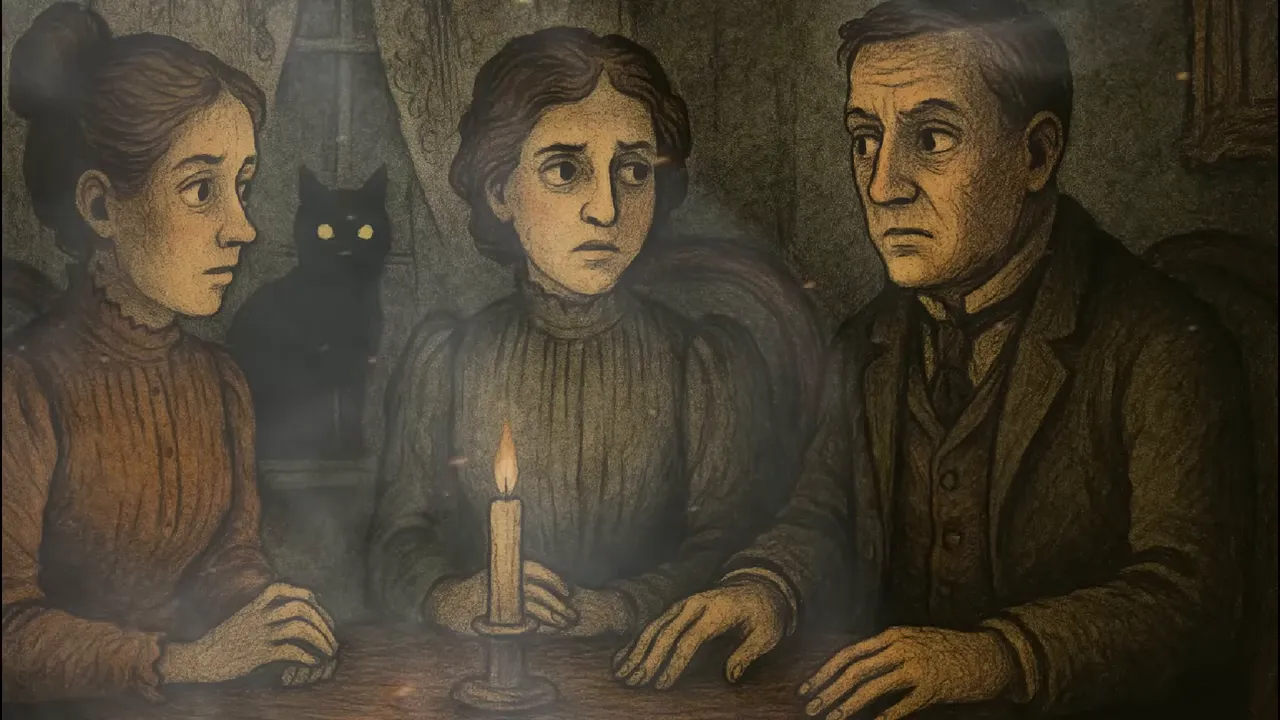
In 1890, ghost stories were not always seen as fringe. Spiritualism and séance culture were widely discussed. People debated them, mocked them, and also attended sessions. Even those skeptical about supernatural claims might still enjoy the mood, narrative, and social theater of the practice.
How ghost storytelling worked in a parlor setting
Ghost stories were often delivered in a controlled indoor environment where fear was “contained” by warmth and manners. The atmosphere encouraged listeners to engage their imagination while remaining in a safe social space.
Ghost tales frequently included:
- Familiar locations: moors, wells, farmhouses, and roads.
- Personal stakes: a name whispered, a warning not taken, a voice heard near a home.
- A blend of evidence and doubt: some stories insisted they were “heard directly” even when details were unclear.
What a séance “felt like” socially
In historical accounts, séances were less about gore and more about anticipation and interpretation. People waited for signs, listened for unusual sounds, and then responded with curiosity or relief. Often, a séance was short because the social energy needed to return to normal conversation and food.
From a cultural standpoint, séances offered a way for people to participate in the supernatural fascination of the era without fully committing to belief as a requirement.
Seasonal Halloween food in 1890: what people actually ate
Food is where Halloween history becomes practical. In 1890, many treats were not mass-produced. They were home-prepared and built around autumn ingredients.
Apples, nuts, and hearth warmth
Apples were the most recognizable “Halloween ingredient” because they matched seasonal harvesting and storage. People could eat them fresh, cook them, and preserve them for later months. Nuts paired naturally with hearth heat and roasting.
- Fresh and baked apples: eaten during the night and also used in longer-term preparations.
- Walnuts and hazelnuts: cracked, toasted, or warmed, then shared.
- Cider: a warm or cool seasonal drink associated with the holiday table.
Fruit breads and “hidden charm” cakes
Some regions and households used a tradition of baking small tokens inside seasonal bread or cakes. The token implied a future role or outcome, and the game was to see who received which item.
This is historically significant because it shows Halloween fortune-telling was often embedded in ordinary food making. The “magic” was not separate from daily life. It was built into it.
Molasses cookies: an early flavor cousin of modern sweets
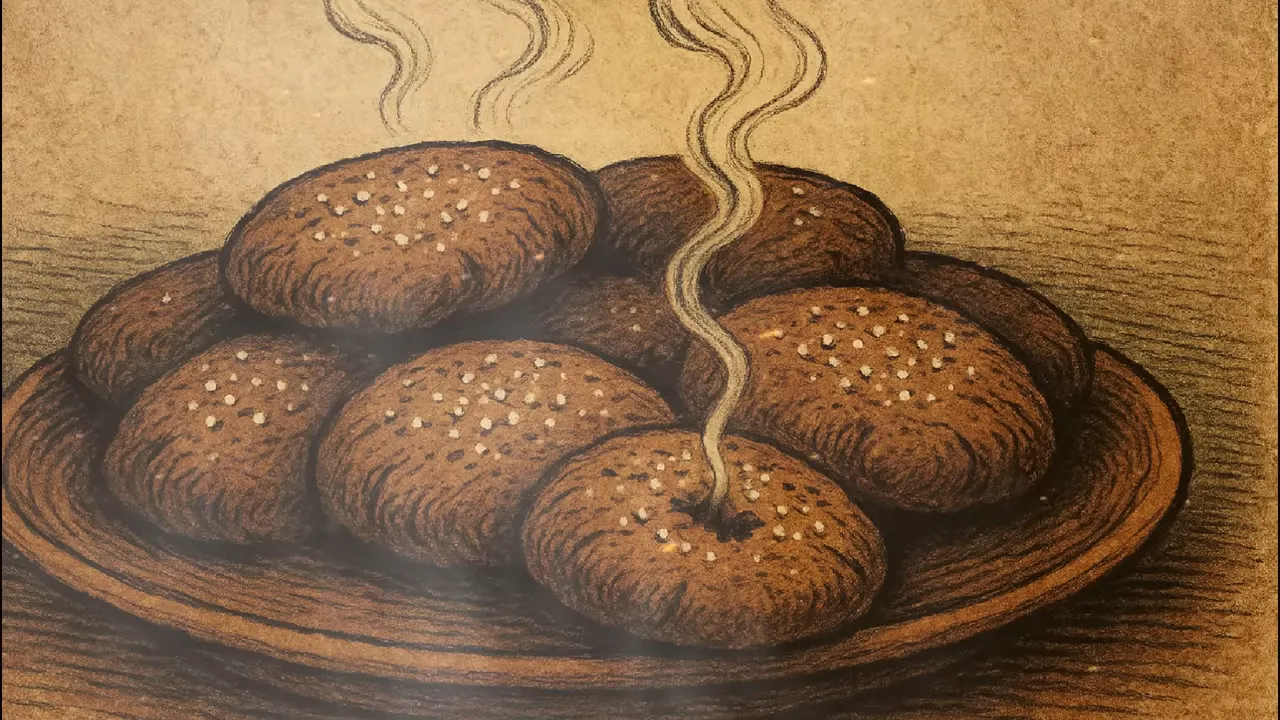
Refined sugar was not always the default for working-class households. Molasses provided sweetness and depth. Spiced cookie styles using molasses appeared in many forms, and in some places, they were part of door-knocking treat customs.
These are among the historical “seeds” that eventually developed into later trick-or-treat traditions, though the exact modern format took time to take shape.
How Halloween traditions shifted over time (from 1890 toward modern Halloween)
Halloween did not become modern in one step. Several trends gradually shaped the holiday:
- Commercial candy production and packaged treats changed what “treating” meant.
- Mass media and urban public culture influenced costumes, imagery, and timing.
- Safety norms and laws influenced how mischief was allowed.
By comparing 1890 practices with modern Halloween, a clear pattern appears. Victorian parlor rituals favored structured games and seasonal foods. Street traditions leaned toward boundary testing and public mischief. Over time, the holiday increasingly centralized around costumes and candy, while many earlier folk games faded from mainstream use.
Pitfalls and misconceptions about Halloween history
When researching Halloween in the 1800s, it is easy to run into oversimplifications. Here are common misconceptions to watch for:
- “Pumpkin lanterns always replaced turnips.” In many places, turnips and other vegetables were practical substitutes before pumpkins became the dominant symbol.
- “Halloween was purely about fear.” Much of the holiday focused on social play, storytelling, and shared rituals.
- “All pranks were equally dangerous.” There was a wide range from silly door tricks to vandalism. Communities debated where the line should be.
- “Fortune-telling was always taken literally.” Many people participated as entertainment or cultural practice even if they did not fully believe.
A practical checklist: researching Victorian Halloween traditions responsibly
If you want to go deeper into real 1890-era folklore and customs, use a research approach that separates evidence types.
Start with primary and near-primary sources
- Local newspapers from late 1800s and early 1900s that mention Halloween warnings or customs.
- Household manuals and cookbooks that include seasonal foods.
- Letters and diaries that describe gatherings and games.
Track regional differences
Halloween practices varied based on immigration patterns, local agriculture, and church influence. A tradition in one community might look different a few hundred miles away.
Beware of modern retellings
Many Halloween “facts” online are repeated without citing period evidence. Look for references that explain where the claim comes from.
FAQ about Halloween traditions in 1890
What did Halloween look like in 1890 in the United States and Britain?
Halloween in 1890 commonly blended indoor parlor activities (games, food, fortune-themed customs, and ghost stories) with outdoor mischief by children and adolescents. The holiday also attracted public debate about vandalism and safety.
Was there candy and trick-or-treating in 1890?
Candy-focused trick-or-treating as a modern tradition was not widespread in 1890. Some door-knocking treat practices existed in earlier forms, including seasonal sweets and baked goods, but the iconic modern format developed later.
Why were apples so important for Halloween in the Victorian era?
Apples were abundant in autumn, easy to store, and deeply tied to home life. They also fit fortune-themed games that turned eating and preparation into seasonal rituals.
Were ghost stories and séances common or just for a few people?
Ghost storytelling was a popular form of seasonal entertainment. Séances were also part of broader fascination with spiritualism during the era, discussed by both believers and skeptics.
How did communities respond to Halloween pranks?
Many communities tolerated youthful mischief as part of Halloween culture, but they also published warnings about damage and danger. The line between acceptable play and rowdyism was a frequent topic of public debate.
Takeaway: the heart of Halloween in 1890
Halloween in 1890 was a night of organized warmth inside and unruly experimentation outside. Parlor rituals turned everyday foods like apples and nuts into games of chance and symbolism. Street pranks tested boundaries, sometimes staying playful, sometimes crossing into damage. Meanwhile, ghost stories and séance culture satisfied a mainstream appetite for the mysterious.
If you want to experience 1890 Halloween today, focus on three themes: seasonal ingredients, fortune as entertainment, and storytelling as the bridge between fear and fun.