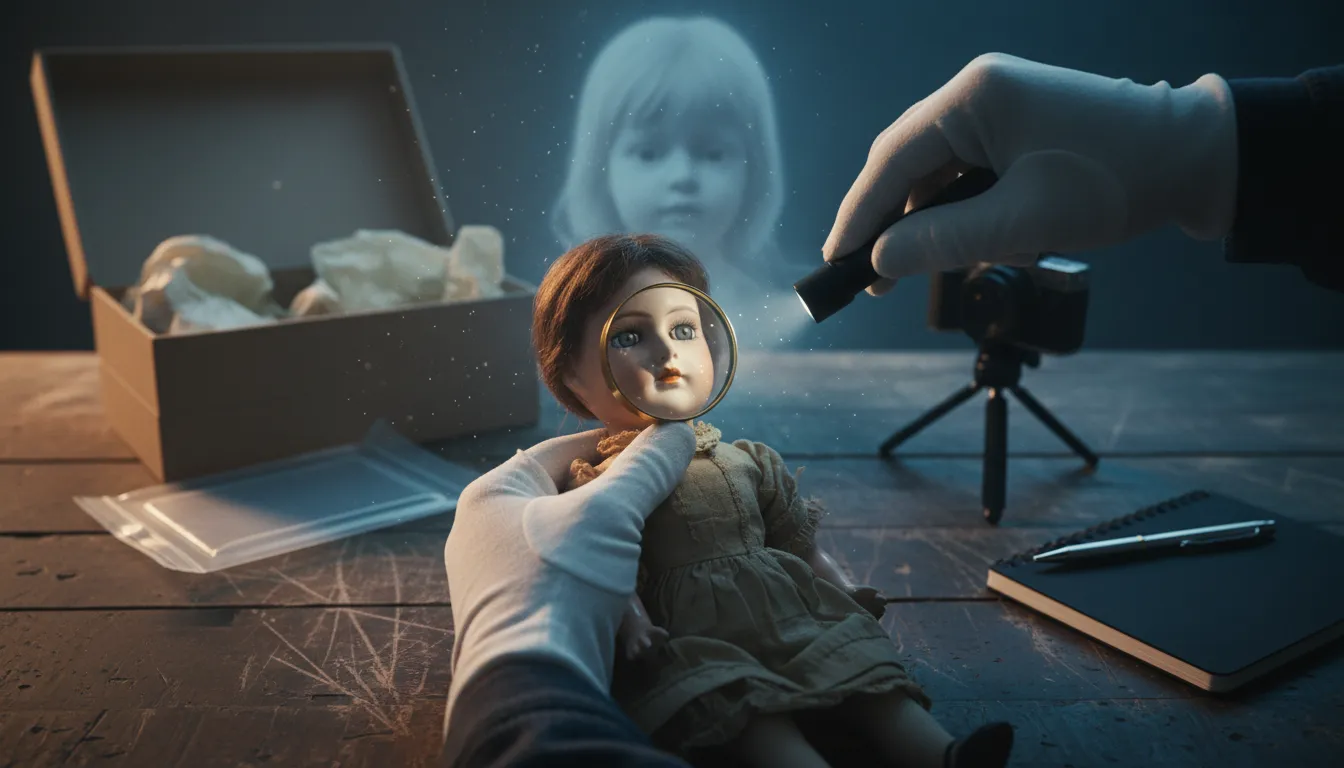
Cursed items and haunted dolls are typically the most reported: you have a ghost porcelain figure which moved on its own, heard noises after bringing home an antique, or a family member having vivid nightmares regarding only one object. No matter if you have antiques, inherited a weird item, or found something at a flea market, it's beneficial to be aware of the steps to rationally assess these beliefs and act securely.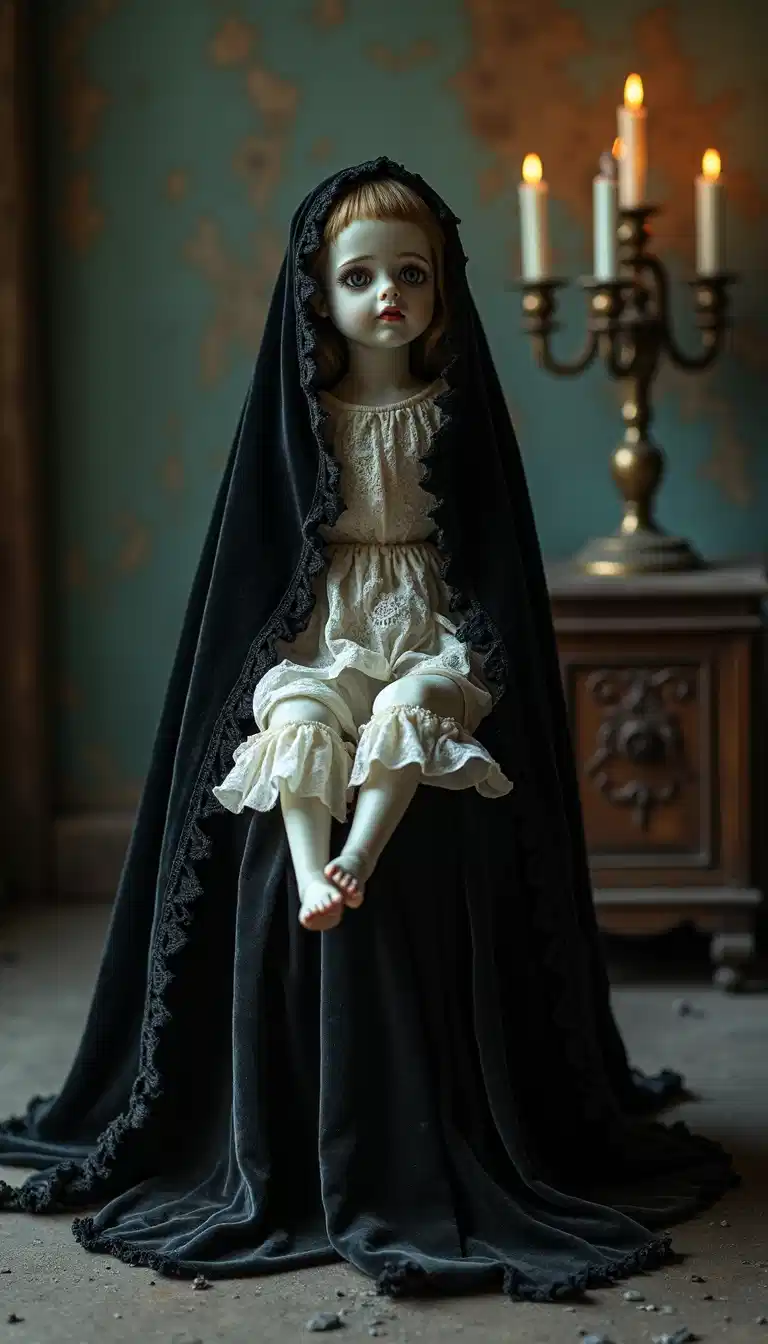
Table of Contents
- What people mean by "cursed object" and "haunted doll"
- Why this matters: safety, value, and wellbeing
- Common signs people associate with a cursed object or haunted doll
- Natural explanations to consider first
- A practical assessment checklist: what to document and test
- How to safely quarantine and test an object (step-by-step)
- Options if the object seems to have an effect
- Cultural rituals and safer alternatives
- Pets, children, and vulnerable people: special considerations
- When an item might be historically important or legally protected
- Common mistakes and pitfalls to avoid
- When to bring in outside help
- How to decide whether to keep, donate, or destroy
- Preservation best practices for potentially valuable items
- Debunking myths about "lifting a curse"
- Checklist: a quick reference you can print
- FAQ
- Conclusion and practical takeaway
What people mean by "cursed object" and "haunted doll"
Cursed object is an expansive terminology employed when an individual postulates that a concrete item is associated with the consecutive events of poverty, sickness, or the exorcism of spirits from a house. The notion can be spiritual, cultural, or metaphorical.
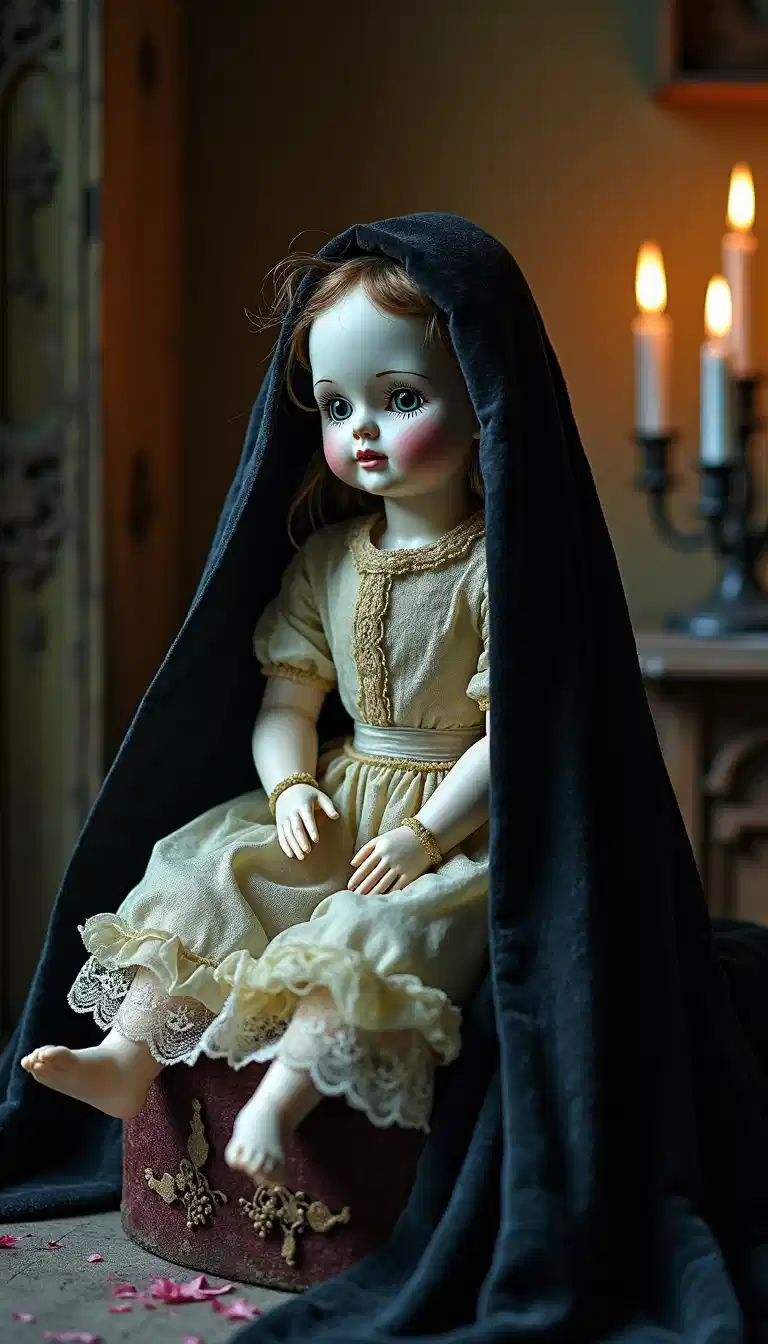
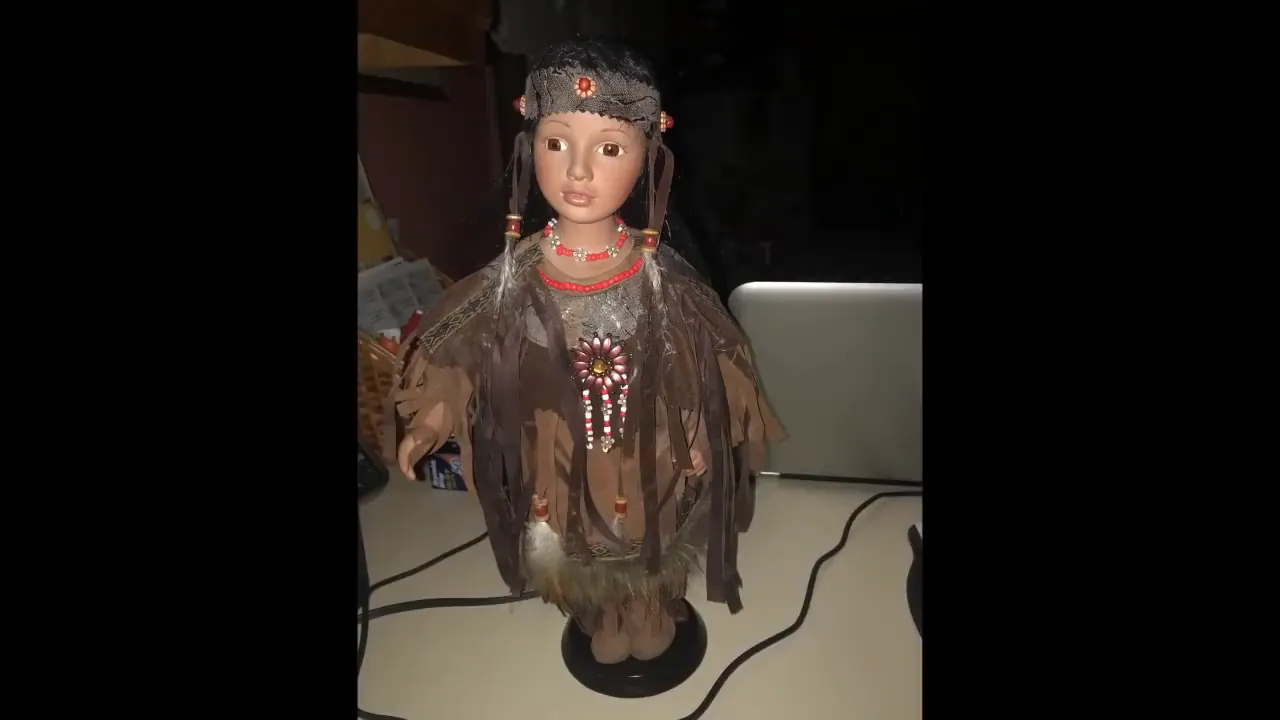
Haunted doll; is a term that specifically stands for dolls or figurines, which their owners claim to move, make noises, cause nightmares or differently exhibit activities associated with paranormal activity. Dolls are strong emotionally in terms of their cultural influence, so the reports get interest, and they can induce intense feelings.
Across various communities, it is widely believed that possessions carry energy, memory, or connections with spirits. People really do hold these beliefs and they are significant for many individuals. Conversely, physical and psychological explanations can sometimes provide reasons for the experiences reported. This article elucidates both perspectives and presents a pragmatic, safety-first guide for inquiry and remediation.
Why this matters: safety, value, and wellbeing
Though the object is not of supernatural origins, the inexplicable acts of disturbances can lead to the presence of tension, insomnia, anxiety and conflicts among family members. Certain answers may increase the risk of damage, e.g., crashing the antiques, doing hazardous rituals, and keeping the children out of social support. In fact, they would be the wrong choice. A rational way of dealing with it first of all would involve taking care of your physical safety, secondly, preventing the destruction of historical items, and thirdly, guiding you to the right course of actions, like the involvement of professionals, who are trained in either medicine, law, or spiritual matters.
Common signs people associate with a cursed object or haunted doll
- Repeated coincidental misfortune that starts right after the item arrives and stops when it leaves.
- Object moves or appears in different places without an obvious explanation.
- Unusual noises near the object: tapping, knocking, music playing from wind-up mechanisms when not wound.
- Electrical issues localized to the object area such as flickering lights, appliances failing, or devices registering odd interference.
- Animals react strongly — pets staring, growling, or refusing to enter a room where the object sits.
- Sleep disturbances — nightmares, waking up feeling watched, sleep paralysis, or new insomnia correlated with the object's presence.
- Odors or physical residues without an identifiable source: musty smell, sudden rot-like scents, or insect infestations near the object.
- Unexplained photos or recordings anomalies — unusual reflections, or audio clips with knocks or voices not attributable to a clear source.
Natural explanations to consider first
The first thing that you need to do, before you can even start thinking about the object being cursed, is to eliminate all the normal, evidence-backed reasons. The majority of the cases that are reported as "haunted" can be simply explained.
- Human activity: children, roommates, or visitors moving objects intentionally or as pranks.
- Structural factors: houses settle and doors can shift on frames; temperature changes can cause items to move or furniture to creak.
- Pets and pests: small animals like rodents can move lightweight items; insect or maggot outbreaks can create rotten smells.
- Electrical and mechanical faults: faulty wiring, radio interference, or loose connections can cause lights to flicker and devices to emit feedback sounds.
- Psychology and memory: confirmation bias, sleep deprivation, and suggestion (hearing a story then noticing ambiguous events) can create or amplify belief.
- Carbon monoxide or other environmental hazards: exposure can cause vivid dreams, hallucinations, headaches, and strange sensations.
A practical assessment checklist: what to document and test
In cases where you believe a particular object is the root of the problem, recording everything systematically can assist you in figuring out if there is a pattern to the issue and what are the next most appropriate steps for you to take.
- Timeline: Note exactly when the object entered the space and what changed afterward. Include dates and short descriptions (illness, job loss, sleep problems, noise events).
- Photograph and catalog the object from multiple angles. Photograph the room and the object's location when you first notice an issue.
- Who had access? List people and pets who were present in the space during notable incidents.
- Environmental check: Test for carbon monoxide and have HVAC, plumbing, and electrical systems inspected if you suspect an environmental cause.
- Record objectively: Use cameras or audio recorders to capture noises or movement, placing them before you expect issues. Note that many devices produce artifacts; careful calibration is important.
- Isolation test: Safely move the object to another controlled location (see quarantine steps below) and observe whether problems stop or continue.
- Emotional and medical history: Ask household members about recent stress, medication changes, or sleep disruptions that could explain experiences.
How to safely quarantine and test an object (step-by-step)
Be sure to treat all potential "haunted" objects with extreme caution. The main focus of this method is to stay safe, provide proofs, and be respectful about the legal or historical value.
- Limit access. Keep children and pets away from the item until you have a plan.
- Use personal protective equipment. Wear disposable gloves and, if the object is dusty or moldy, a mask and eye protection. Old fabric and ceramics can harbor mold or insect eggs.
- Document before touching. Photograph the object and its setting before moving it.
- Place in a sealed container. Use a cardboard box or plastic bin with a lid. If the object is fragile, wrap it in acid-free tissue. Tape the box closed and label with the date and contents. Keep it in a dry, temperature-stable area.
- Remove electronics. Any battery-operated or wind-up components should be checked by a technician if you suspect they are operating on their own. For wind-up toys, confirm whether mechanisms are engaged before and after sealing.
- Observe for a set period. After quarantine, monitor the household for continued phenomena for at least 1–2 weeks. If disturbances stop, the object may be implicated.
- Keep a logbook. Record events with time, description, and any witnesses. Objective logs make it easier to spot patterns or external explanations.
Options if the object seems to have an effect
When there are documents showing the item has been exposed to a continuous threat or there is quarantine, it is always best to go for demolition, as risk exposure is null with this option. If you destroy the object, you are sure that nobody who visits the site runs the risk of being injured, getting a disease, or losing life or property. However, removing the object completely may not always be possible without damaging other materials that are part of the building. Additionally, the item will also be permanently unavailable. Risk factors can be minimized by applying demission, but there are still no good solutions.
- Return to origin: If the item is from a market, ethical route is to return it to its place of origin or tribal/cultural custodianship, especially when an item is an artifact. For imported antiquities, contact a museum or cultural authority. Pros: ethical and may reduce perceived harm. Cons: not always possible with lost provenance.
- Donate to a professional institution: Museums, universities, or historical societies often accept items for study and safe storage. They can also advise on legal repatriation.
- Sell to a reputable dealer: If the item is commercially valuable and not an archaeological artifact, a specialist dealer can purchase or store it securely off-site.
- Religious or spiritual interventions: Clergy, recognized spiritual practitioners, or culturally specific ritual experts may provide cleansing or blessing ceremonies. Pros: comfort and ritual closure for many owners. Cons: no guaranteed outcome and methods vary widely.
- Safe destruction: Burning and similar destructive methods are risky and often illegal (open fires, toxic emissions, risk to historic fabric). Only consider with professional advice and in jurisdictions where safe disposal is permitted.
- Secure storage and study: If you suspect the object has archaeological value, contact a professional. Never attempt to clean or alter such objects—doing so can destroy scientific information and violate laws.
Cultural rituals and safer alternatives
Different cultures have their unique perspectives on potentially haunted objects. If you select the ritualistic method then the first and foremost priority has to be the safety.
- Religious blessing from clergy (priest, minister, imam, rabbi, etc.) can provide community support and may ease distress.
- Smudging and cleansing (sage, palo santo, incense) is non-destructive and often used for psychological reassurance. Note: burning dried plant matter indoors has respiratory and fire risks and can be culturally sensitive; some communities object to commercialized use of sacred plants.
- Salt and sunlight are common folk remedies—placing the item in sunlight or surrounded by salt. These are low-risk but symbolic gestures rather than proven solutions.
- Expert cultural practitioners like elder community members, tribal representatives, or certified ritualists can provide culturally appropriate steps such as repatriation or traditional ceremonies.
Pets, children, and vulnerable people: special considerations
Household members with heightened sensitivity or vulnerability should be the first to consider.
- Keep children away from unexplained objects until you have assessed safety. Children are more sensitive to suggestion and prone to anxiety from scary stories.
- Watch pets closely. Animals sometimes react to smells, small sounds, or tiny motions humans miss. A strong adverse reaction by a pet is a signal to quarantine the item and investigate environmental causes.
- Mental health first. Hallucinations, sleep paralysis, or severe anxiety may require medical or psychological support. If household members experience worsening depression, panic, or intrusive thoughts, seek professional help.
When an item might be historically important or legally protected
Certain items are archaeological or ethnographic artifacts. The act of removing these items from their country of origin or destroying them may be illegal and unethical.
- Check provenance. If the item is said to be centuries old, gather any known documentation, seller details, or tags. Photographs and seller correspondence help professionals evaluate legitimacy.
- Contact a museum or university rather than disposing of it yourself. They can advise on provenance, conservation, and lawful repatriation if the object belongs to another culture or nation.
- Never attempt amateur restoration on potentially valuable artifacts. Household cleaning can destroy fragile material and remove forensic evidence that proves age or origin.
Common mistakes and pitfalls to avoid
- Ignoring signs of physical hazards: Strange smells or headaches can indicate mold, sewage, or carbon monoxide—address these before attributing events to the supernatural.
- Performing dangerous "cleansings" like open burning in the house, using unknown chemicals, or blood rituals. These are unsafe and illegal in many places.
- Rushing to destroy historical items out of fear. Destruction can be unlawful and prevents proper evaluation of historical value.
- Publicly sensationalizing an item online without consent from other household members; doing so can escalate fear and interfere with a calm, evidence-based resolution.
- Dismiss professional help for health or legal issues. If household members are physically unwell or in danger, focus on concrete solutions first.
When to bring in outside help
Choose help based on the problem type.
- Health or environmental issues: Call an HVAC or plumbing contractor, electrician, or public health authority for obvious hazards. If anyone experiences fainting, breathing difficulties, or severe headaches, seek medical attention immediately.
- Historic or archaeological concerns: Contact a museum curator, cultural heritage office, or university archaeology department.
- Legal concerns: If an object raises questions about ownership, smuggling, or human remains, contact local law enforcement or cultural heritage authorities.
- Religious/spiritual intervention: If the household wants ritual help, choose a trusted, credentialed spiritual leader or culturally appropriate practitioner. Ask about methods and risks before any action is taken.
- Paranormal investigation: If you seek a paranormal investigation, vet investigators carefully. Look for groups that prioritize documentation, safety, and transparency rather than sensationalism.
How to decide whether to keep, donate, or destroy
Make the choice by going through three stages: first evidence, then value, and last but not least safety.
- Evidence: Does objective documentation show a consistent pattern linked to the object? If yes, proceed carefully. If no, continuing to live with the object at your discretion may be acceptable.
- Value: Is the item antique, culturally significant, or commercially valuable? If so, consult professionals before destruction.
- Safety: If the object's presence threatens health, sleep, or safety, removing and securing it is sensible even if you are unsure of a paranormal explanation.
Preservation best practices for potentially valuable items
- Stabilize and document—photograph, label, and keep provenance information.
- Climate control—store fragile materials in stable temperature and humidity when possible.
- Do not clean aggressively—avoid water, solvents, or abrasive cleaning that could damage pigments or fabrics.
- Consult a conservator for recommendations on packing and transport if donation or museum transfer is planned.
Debunking myths about "lifting a curse"
Numerous solutions available in the steep pop-culture realm for "breaking a curse." Treat them with caution.
- Blood rituals are dangerous and have no reliable evidence of effectiveness. They expose people to bloodborne pathogens and legal risk.
- Random destruction (open burning, smashing) can create hazardous dust or toxic smoke and destroy information about provenance.
- Rituals without consent can worsen household tensions. Always get agreement from cohabitants before conducting any spiritual practice.
Checklist: a quick reference you can print
- Document: photos, dates, witness names, symptoms.
- Test environment: CO detector, electrician, pest inspection.
- Quarantine the object using gloves and a sealed container.
- Observe for 1–2 weeks with a logbook and recordings.
- Consult museum/heritage if item appears historic.
- If needed, call clergy or culturally appropriate practitioner for a clearing.
- If safety is immediate, remove object from home and lodge with a trusted professional or secure storage facility.
- Seek medical or mental-health support if household members experience severe symptoms.
FAQ
How can I tell if a doll is truly haunted?
An object being haunted cannot be evidenced by any single test. You should see a recurrent pattern of abnormal activities starting when the object comes in and ceases when the object is taken out. Keep records of the events with the times you documented, pictures taken, and the people who were present at the event. You need to dismiss the environmental, structural, mechanical, or psychological reasons in the first place. If there is an outside and impartial accumulation of proof to be considered, think about isolating the item and seeking professional advice.
Can a curse attach to an object?
Different people's viewpoint systems differ. Different cultures believe that some things can have spiritual energy or attachments to them. The only evidence is that there is no mechanism that is scientifically proven through which a curse can be transferred to a certain object. Nevertheless, the fact that a person has the belief that an object is cursed has a very strong psychological effect and this can in turn change a person's behavior, or even their way of seeing things.
Is it safe to perform my own cleansing ritual?
Rituals that do not cause damage such as prayers, religious blessings, or smudging are usually low risk when performed in a way that is considered safe (e.g., burning plant materials without adequate ventilation). Make a note of the no-no's of doing dangerous things: no open flames inside without safety precautions, and no bloodshed or injury rites. Seek the advice of a reliable* community religious leader or alternative practitioner if you need help.
Should I burn a haunted object?
The burning of materials such as plastic, treated fabrics, or anything that is likely to release toxic fumes gives rise to various health, fire, and legal issues. If the material is of historical significance or pertains to another culture, disposing of it by way of burning might be against the law. The best alternatives include putting the item in a sealed storage, getting in touch with a museum or transferring the authority to a professional body.
Can pest infestations cause "haunted" smells or noises?
Sure. The strong, rancid smells of decomposing organic matter, lack of mice and presence of insect larvae can be some of the main attractions for more pests. Rodents that invade commonly cause the knocking or shifting sound on the wall. The physical issues in the house are always to be considered first before the paranormal causes are.
What should I do if children are frightened by an object?
Displace the object from the child's surroundings at once and calm the child down. Make a note of the child's reports peacefully and consult a doctor if the child has regular notifications of nightmares or feelings of anxiety. Utilize pediatricians or child therapists if the situation arises. Transparency in communication and omission of bombastic stories contribute to the prevention of anxiety.
Who can I contact for a professional evaluation?
Depending on the issue, reach out to qualified electricians, environmental health services, museum curators, licensed clergy, licensed therapists, or vetted paranormal investigation groups that emphasize documentation and safety. Choose professionals with clear credentials and references.
Are there legal risks to owning or transporting ancient artifacts?
Of course. A number of countries and museums have policies that limit the export or sale of archaeological and cultural artifacts. Having or moving items without the correct provenance can clash with the cultural heritage rules. In case you think that an object is old, it's advisable to ask the local cultural heritage authorities or a museum for advice before you move or sell it.
Conclusion and practical takeaway
Cursed objects and haunted dolls, showing a blend of sociocultural beliefs and psychology, are often reported by people and may even pose a physical risk to them. The most effective method is the balanced one: initiate with disciplined, and unbiased notes; eliminate the environmental and mechanical factors; place the safety of children, pets, and other people in the first place; and seek guidance from the experts—medical, environmental, legal, or cultural—before making any irreversible decision.
At times when you suspect to have a hazardous or historically important item, stop for a while, make a good note of its specifics, put it in a secure place and then, refer it to a professional you trust. Carrying out a task step by step instead of hurrying to finish it brings emotional peace and safety most of the time.
If you have uncertainties regarding what to do, the best choice is to ensure and document safety first. This way, you maintain the possible routes, safeguard individuals, and honor the cultural as well as legal responsibilities while you contemplate the next steps.