A Dance with the Uncanny

Imagine stepping into a forgotten corner of the world—a dimly lit toy shop where time seems to have halted. Dust motes pirouette in the slanted beams of late afternoon sun, casting an otherworldly glow over shelves laden with relics from another era. The air is thick with the scent of aged wood and varnish, a sensory invitation into a realm of nostalgia and mystery.
As you wander deeper into this quiet sanctuary, your eyes are drawn to a shelf in the corner, where a row of dolls sits in silent vigil. Their porcelain faces, framed by the delicate lace of their dresses, stare back at you with an intensity that feels almost alive. Among them, one doll stands out—a small figure with eyes that seem to follow your every move, a slight smile etched upon its lips. It's a smile that whispers secrets, one that beckons you closer while simultaneously urging you to retreat.
This initial encounter with a creepy doll is more than a brush with the past; it’s a dance with the uncanny valley—a psychological phenomenon where something is both familiar and unsettling. Dolls, with their human-like features, often sit at this intersection, embodying the ambiguity that stirs our deepest instincts. They resemble us, yet they are not us, creating a sense of discomfort that is difficult to shake. This bizarre blend of recognition and eeriness is what makes these objects so enduringly fascinating and fearsome. They invite us to confront our perceptions of what is human, challenging us to explore the boundaries of our comfort zones.
The allure of creepy dolls lies in their ability to evoke a duality of emotions—fear and fascination. Their presence compels us to question why we are drawn to things that unsettle us. Is it the thrill of the unknown, the allure of the forbidden, or perhaps a deeper, more primal instinct to confront our fears in a controlled environment? These questions form the core of our exploration, inviting you, the reader, to join us on a journey through the many layers that shroud these enigmatic figures.
This blog matters because it offers a lens through which we can examine the complexity of human emotions and how they are influenced by seemingly innocuous objects. As you immerse yourself in the chapters that follow, you will uncover the rich tapestry of history, psychology, and culture that surrounds creepy dolls. You will learn about their origins, tracing back to times when dolls were not mere playthings but held ceremonial and spiritual significance. You will delve into the psychology of fear, understanding why these dolls disturb us, and yet, why we cannot look away.
For those captivated by the macabre, this blog serves as a gateway to understanding the role of dolls in popular culture—from horror films that have immortalized their sinister personas to the art of crafting the perfect creepy doll. Each chapter peels back another layer, revealing the artistry involved in creating these haunting figures and exploring how they have become icons of fear and fascination alike.
Yet, beyond the fear lies a world of allure, an invitation to appreciate the delicate craftsmanship and stories embedded within these dolls. As you turn each page, you will find yourself drawn into their world, where beauty and terror coexist in a delicate balance. You will encounter tales that speak to the human condition, stories of creators who pour their fears and dreams into their work, and collectors who find solace and meaning in the company of these silent companions.
"Unraveling the Mystery Behind Creepy Dolls and Their Fascination" is not just for those who revel in the eerie; it is for anyone intrigued by the intersection of art and emotion, fear and curiosity. It is for those who seek to understand the complexities of the human psyche and find beauty in the unexpected. Whether you are a seasoned collector, a horror enthusiast, or simply someone who has felt the inexplicable pull of a doll's gaze, this book offers insights that will deepen your appreciation for these enigmatic figures.
So, prepare to embark on a journey that will challenge your perceptions and illuminate the shadows of your imagination. Together, we will unravel the stories locked within those porcelain smiles and discover the dark allure that has captured our imaginations for centuries. Welcome to the dance with the uncanny.
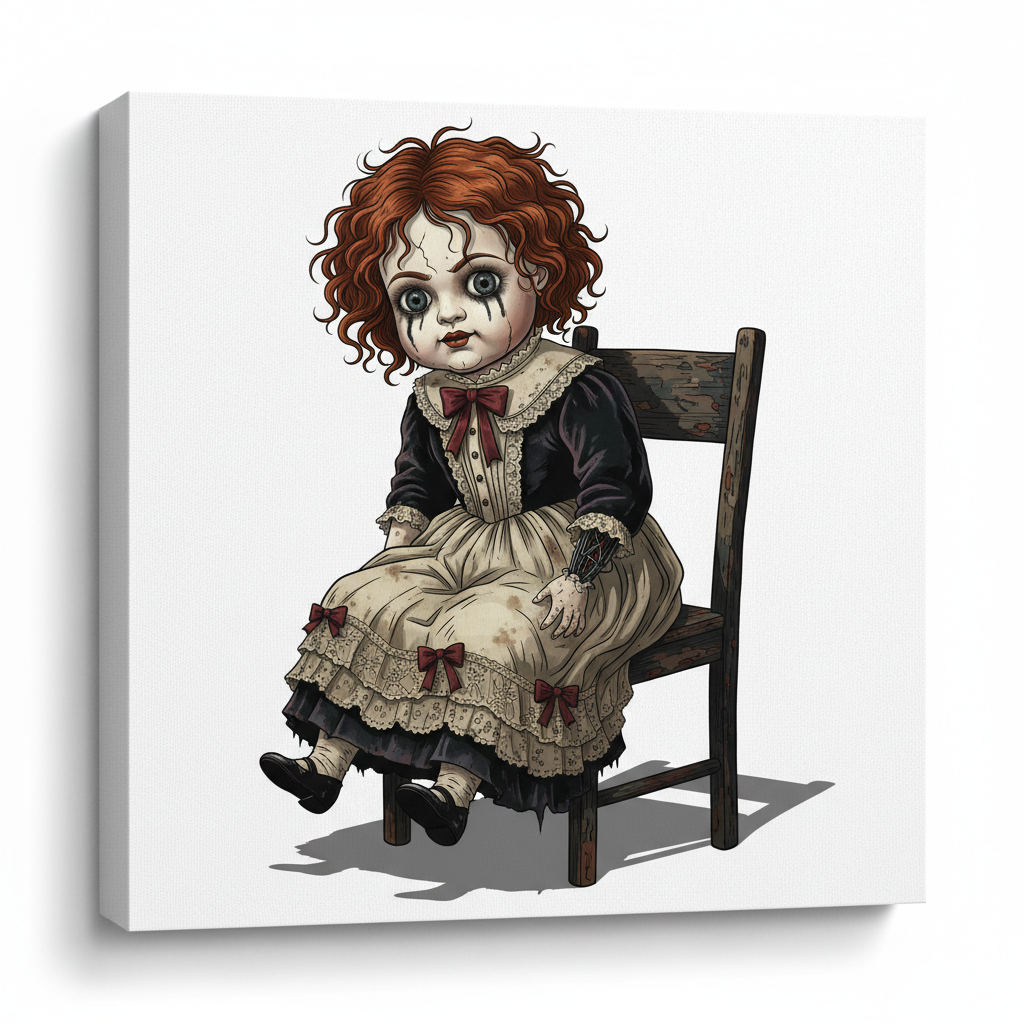
Chapter 1: The Origins of the Unsettling: A History of Creepy Dolls
In the shadowy recesses of human history, dolls have been silent witnesses to the unfolding drama of civilization. These small, often unassuming figures have evolved from sacred objects to beloved toys, and in some cases, to the subjects of our deepest fears. To understand why dolls, particularly those deemed "creepy," hold such a potent sway over our imaginations, we must first explore their origins and the cultural metamorphosis they have undergone.
From Ancient Talismans to Children's Playthings
The journey of dolls begins in the cradle of civilization. Archaeological evidence suggests that dolls have existed for thousands of years, with some of the earliest examples found in ancient Egyptian tombs. These figures, crafted from materials like wood, stone, and clay, served purposes far beyond mere playthings. They were imbued with spiritual significance, often used as talismans to protect the living or accompany the dead into the afterlife. In ancient Greece and Rome, dolls were similarly employed in rituals and as votive offerings, believed to hold the power to influence the gods.
As societies evolved, so too did the function of dolls. By the Middle Ages, dolls began to emerge as objects of play, though their spiritual and ritualistic roles were not entirely abandoned. During this time, dolls were often crudely made from materials readily available, such as rags or carved wood. These early toys were primarily the domain of children, serving as tools for imagination and social learning.
The transition from sacred object to children's toy reflects a broader shift in societal values and the perception of childhood itself. The Enlightenment period, with its emphasis on education and the nurturing of young minds, further solidified the role of dolls as essential tools for child development. It was during this era that the doll industry began to take shape, setting the stage for the mass production of dolls as we know them today.
The Victorian Era: The Rise of Porcelain and Bisque Dolls
The Victorian era marked a pivotal moment in the history of dolls, as technological advancements and changing cultural norms converged to create a new kind of doll—one that would become a precursor to the eerie figures that haunt our modern imaginations. This period saw the rise of porcelain and bisque dolls, characterized by their delicate, lifelike features and intricate craftsmanship.
Porcelain dolls, with their glazed, smooth finishes, were initially expensive and considered luxury items, often reserved for the wealthy. However, the development of bisque, a type of unglazed porcelain, allowed for a more affordable production process. Bisque dolls quickly became popular among the middle class, their realistic features and finely detailed clothing reflecting contemporary fashions and social aspirations.
These dolls, often modeled after idealized visions of childhood and femininity, were not merely toys but symbols of status and propriety. Yet, beneath their polished exteriors lay the seeds of unease. The very qualities that made them desirable—their realism and fragility—also made them unsettling. Their glassy eyes seemed to follow observers around the room, and their porcelain skin could crack and chip, revealing the vulnerability hidden beneath their perfect facades.
As the 19th century progressed, stories began to circulate about dolls with a more sinister presence. Some were said to be cursed or possessed, their lifeless eyes betraying a hidden malevolence. These tales fed into the growing fascination with the supernatural and the gothic, which permeated Victorian culture. The dolls, with their ambiguous status as both lifelike and lifeless, became natural subjects for these narratives.
Historical Tales and Legends of Haunted and Cursed Dolls
Throughout history, dolls have been at the center of numerous legends and myths, their presence often intertwined with themes of mystery and the macabre. These tales, passed down through generations, have contributed to the aura of fear and fascination that surrounds them today.
One of the most infamous stories of a haunted doll originates from the early 20th century—the tale of Robert the Doll. This life-sized figure, dressed in a sailor suit, belonged to a young boy named Robert Eugene Otto in Key West, Florida. According to legend, the doll was given to Otto by a Bahamian servant skilled in voodoo and black magic. Soon after, strange occurrences began to plague the household. Neighbors reported seeing the doll move from window to window when the family was out, and Otto claimed the doll spoke to him in the darkness of night.
Robert the Doll's reputation for mischief and malevolence only grew over the years, culminating in his current residence at the Fort East Martello Museum. Visitors today who mock or disrespect Robert report experiencing bad luck and misfortune, adding to the doll's chilling mystique.
Another legendary figure is Annabelle, a Raggedy Ann doll currently housed in the occult museum of Ed and Lorraine Warren, famed paranormal investigators. In the 1970s, Annabelle was reported to exhibit disturbing behavior—changing positions, leaving handwritten notes, and even attacking individuals. Declared demonically possessed by the Warrens, Annabelle has become a staple of horror lore, inspiring films and further cementing the connection between dolls and fear.
These stories, whether rooted in fact or embellished over time, highlight a recurring theme in the human psyche: the fear of the inanimate coming to life. Dolls, with their human-like appearance and capacity for movement (albeit imagined), straddle the line between the living and the non-living, creating a sense of unease that is difficult to shake.
The Uncanny Valley and Cultural Significance
The unsettling nature of dolls can also be examined through the lens of the "uncanny valley," a term coined by Japanese roboticist Masahiro Mori in the 1970s. The concept describes the discomfort people feel when faced with objects that closely resemble humans but fall short of complete realism. Dolls, particularly those with hyper-realistic features, often occupy this eerie space, where their almost-human appearance elicits both familiarity and revulsion.
Culturally, dolls have served as reflections of societal values and anxieties. The Victorian era's obsession with death and mourning, for instance, found expression in the creation of mourning dolls. These figures, often dressed in black and modeled after deceased children, were used in rituals of grief and remembrance. The intersection of death and childhood embodied in these dolls added a layer of complexity to their cultural role, embodying both the fragility of life and the persistence of memory.
In more contemporary contexts, dolls have been employed as symbols of critique and subversion. Artists and filmmakers use the unsettling qualities of dolls to explore themes of identity, gender, and the nature of humanity itself. The horror genre, in particular, has capitalized on the inherent eeriness of dolls, using them as vehicles for exploring our darkest fears and desires.
The Persistent Allure of Creepy Dolls
Despite—or perhaps because of—the discomfort they induce, creepy dolls continue to captivate the human imagination. They are featured prominently in popular culture, from horror films to art installations, and remain a popular motif in collections and exhibitions around the world. Their enduring appeal lies in their ability to tap into universal fears and fascinations, offering a mirror to our own complexities and contradictions.
The stories and legends surrounding creepy dolls serve as reminders of the thin veil that separates the familiar from the unknown. They challenge us to confront what it means to be human and what lies beyond our understanding. As we delve deeper into the world of creepy dolls, we are invited to explore not only the darkness within these figures but also the darkness within ourselves.
As we transition to the next chapter, "Psychology of Fear: Why Dolls Disturb Us," we will explore the psychological mechanisms that underlie our fear of dolls. By examining concepts such as the uncanny, projection, and childhood trauma, we will uncover why these figures continue to haunt our dreams and fuel our nightmares. Through this exploration, we will gain a deeper understanding of the emotions that creepy dolls evoke and the power they hold over our imaginations.
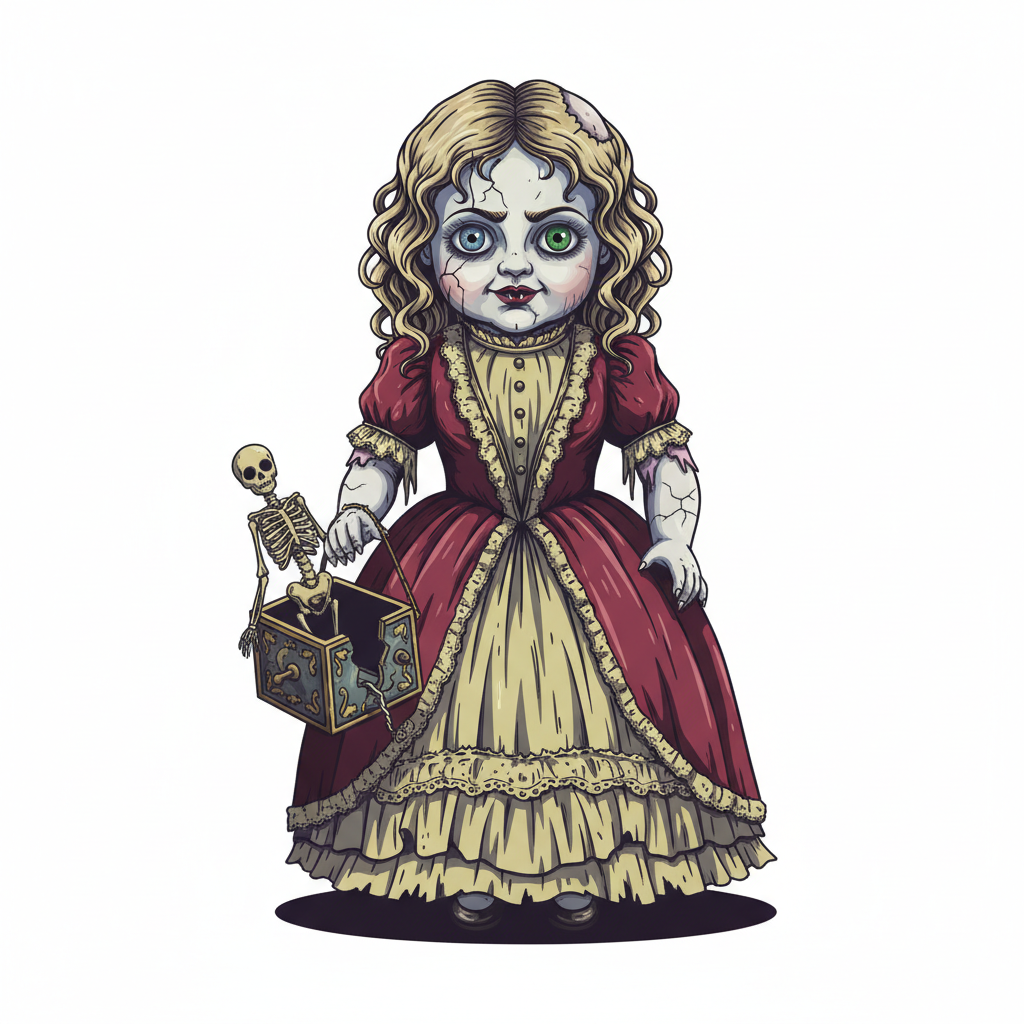
Chapter 2: Psychology of Fear: Why Dolls Disturb Us
In the dim glow of twilight, as shadows stretch across the room, there sits a doll. Its eyes, glassy and unblinking, seem to follow every movement, capturing a gaze that is simultaneously lifeless and alive. For many, this scene evokes a shiver, a visceral reaction rooted deep within the human psyche. But what is it about dolls that so often disturbs us? Why do these inanimate figures, designed for play and companionship, sometimes evoke feelings of unease and dread? To uncover the psychological underpinnings of this fear, we must delve into the realms of the uncanny and childhood experiences, as well as examine scientific studies on human reactions to lifelike objects.
At the heart of this exploration lies the Uncanny Valley theory, a concept that has fascinated psychologists and roboticists alike. Proposed by Japanese roboticist Masahiro Mori in 1970, the theory suggests that as a robot—or any object—appears more human-like, our emotional response to it becomes increasingly positive and empathetic. However, this is only true up to a point. As the object's resemblance to a human becomes nearly perfect, there is a precipitous drop in our comfort level, plunging into the "uncanny valley." Here, the object is eerily human but not quite right, prompting feelings of eeriness and discomfort.
Dolls, particularly those with realistic features, often inhabit this uncanny valley. Their stillness, combined with human-like features, creates a dissonance in our perception. We expect motion and expression from human-like forms, yet in their absence, our brains struggle to reconcile the lifelike appearance with the inanimate reality. This dissonance can trigger a fight-or-flight response, a primal reaction to potential threats. Our ancestors, ever vigilant for dangers, may have passed down this trait, prompting us to react to anything that appears almost human yet not quite alive.
Childhood experiences further compound this fear. Dolls are often among the first objects introduced to children, serving as companions, confidants, and tools for imaginative play. However, the narratives and cultural stories surrounding dolls can shape a child's perception of them. Children, with their vivid imaginations and a propensity for anthropomorphism, may endow dolls with life-like qualities. This imaginative play is generally benign, but when coupled with tales of haunted dolls or media portrayals of malevolent toys, the seeds of fear are sown.
Consider the enduring legend of Robert the Doll, a seemingly innocuous figure that has terrified generations. Given to a young boy named Robert Eugene Otto in the early 1900s, the doll allegedly exhibited strange behaviors, moving on its own and causing mischief. This story, passed down through generations, reinforces the narrative that dolls can be more than they seem, and for a child, these stories can blur the lines between reality and fiction.
Moreover, psychological studies have shown that children are particularly sensitive to the emotional expressions of faces. Dolls, with their frozen expressions, provide no cues, leaving children to project their own interpretations. This ambiguity can be unsettling, especially when combined with stories that imbue dolls with sinister intentions. Cultural narratives, such as those found in horror films and literature, often exploit these fears, creating a feedback loop where dolls are both feared and fascinating.
Scientific research offers further insight into the human response to lifelike objects. A study conducted by psychologists at the University of Vienna explored how people react to images with varying degrees of human likeness. Participants were shown images ranging from abstract representations to hyper-realistic human faces. The results indicated a significant increase in discomfort as the images approached but did not perfectly mimic human appearance. This discomfort was attributed to the conflicting cues—our brains recognize the object as both human and not human, creating a cognitive dissonance that is difficult to reconcile.
Additionally, this discomfort is not solely visual. Auditory and tactile cues also play a role. Dolls that produce sound or move can intensify the uncanny effect. For instance, a doll that suddenly emits a sound in a quiet room can startle and unsettle, its lifeless form unexpectedly animated. Similarly, the texture of a doll's skin or hair may be close to human, yet not quite right, enhancing the eerie sensation.
The impact of dolls and similar figures on our psyche is further amplified by their historical and cultural significance. Across various cultures, dolls have been used in rituals, often embodying spirits or serving as conduits for supernatural forces. These associations can influence our perception, layering additional meanings onto what might otherwise be seen as mere toys. The psychological impact of these cultural practices cannot be understated, as they contribute to a collective consciousness that views dolls through a lens of mystery and potential malevolence.
Despite the fear they may evoke, dolls also hold a paradoxical allure. This duality is a testament to their power as symbols of both innocence and the unknown. They serve as mirrors reflecting our own emotions and fears, challenging us to confront the boundaries of life and inanimacy. The intrigue lies in this intersection—where familiarity meets the unfamiliar, where play meets the eerie.
The fascination with dolls is not merely a modern phenomenon. Historical records reveal that even in ancient times, dolls were crafted with care and detail, suggesting a long-standing human interest in creating lifelike figures. This historical continuity speaks to a deep-seated psychological need to explore and understand the lifelike in the non-living. Perhaps dolls, in their silent, watchful presence, invite us to ponder the nature of consciousness and the essence of what it means to be human.
In considering the psychological dimensions of our fear and fascination with dolls, it becomes clear that they occupy a unique space in our cultural and emotional landscape. They are at once comforting and unsettling, familiar yet strange. This tension is at the core of their eerie allure, a mystery that continues to captivate and confound.
As we ponder the reasons behind our discomfort with dolls, we also open the door to broader questions about human perception, the nature of fear, and the ways in which we project our inner worlds onto the objects around us. Dolls, in their silent presence, challenge us to explore these questions, inviting us to engage with the mysteries they embody.
This exploration of the psychology of fear as it relates to dolls sets the stage for a deeper dive into their cultural significance. In the next chapter, we will examine how these figures have been immortalized in popular culture, from the chilling tales of haunted dolls to their iconic roles in horror films. These stories not only reflect our fears but also shape them, crafting the narratives that continue to hold us in thrall. As we turn the page, we enter the realm of Icons of Horror: Dolls in Popular Culture, where the line between reality and imagination is blurred, and the sinister charm of dolls takes center stage.
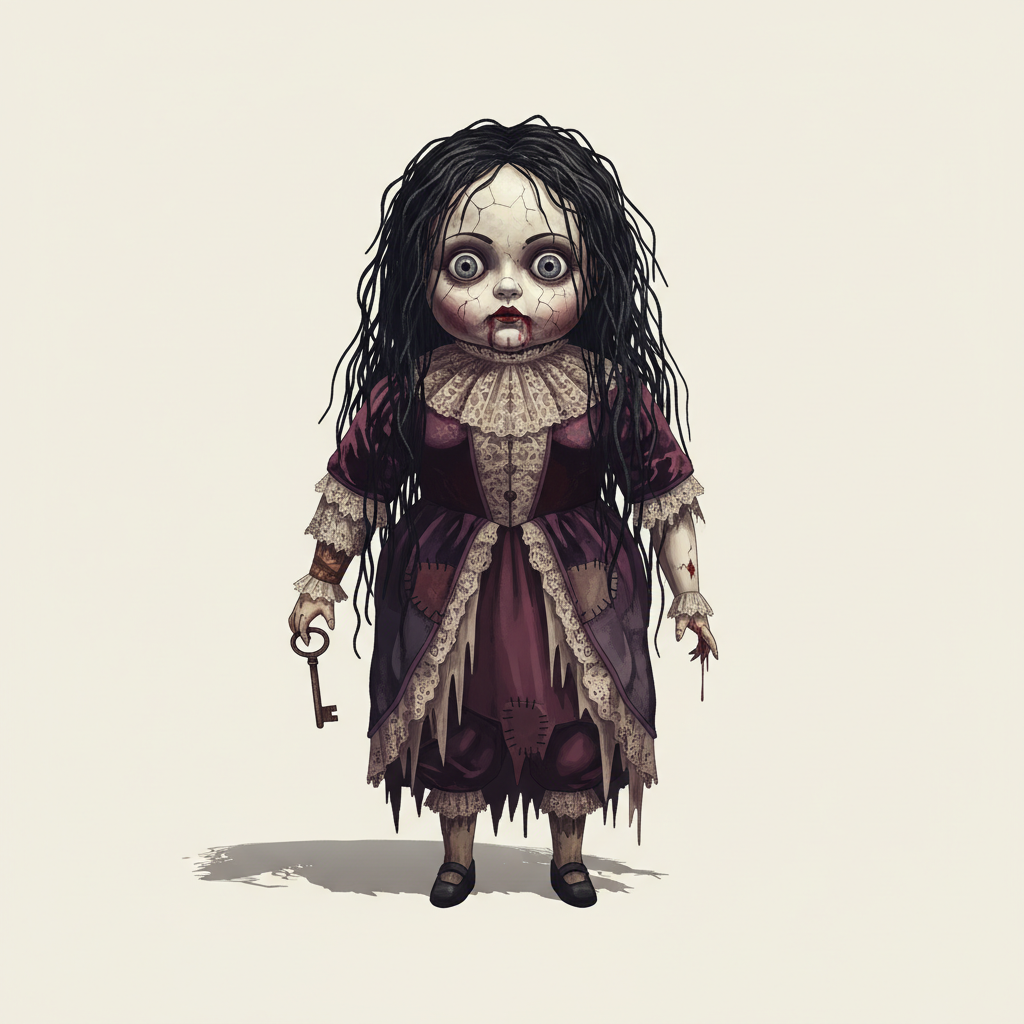
Chapter 3: Icons of Horror: Dolls in Popular Culture
As the twilight of cinema and literature spreads across the cultural landscape, certain icons come to life—or, perhaps more aptly, are brought to life. Among these icons, none are as unsettling as the creepy doll. The portrayal of dolls in popular culture has transformed them from innocent playthings into symbols of horror, intrigue, and the uncanny. This chapter explores how these eerie effigies have woven themselves into the fabric of popular culture, how they have become central to ghost stories and urban legends, and how media has exacerbated their sinister reputation.
Famous Creepy Dolls in Film and Literature
The journey of dolls in popular culture begins with their memorable appearances in films and books. These mediums have not only popularized but also amplified the creepy doll phenomenon by tapping into our deepest fears and curiosities.
One of the most iconic creepy dolls is Chucky from the "Child’s Play" film series. Introduced in 1988, Chucky is the personification of terror encased in the guise of a Good Guy doll. The series begins with the soul of a serial killer transferring into the doll, which then embarks on a murderous spree. Chucky’s unsettling charm lies in his juxtaposition of childlike innocence with malevolent intent. The filmmakers cleverly used Chucky's diminutive size and seemingly harmless appearance to exploit the fear of the unexpected and uncontrollable. Chucky has become a staple of horror, leading to numerous sequels and a dedicated fanbase, cementing his place in the pantheon of horror icons.
In literature, dolls have also played a significant role. Consider the 1943 short story "The Doll" by Algernon Blackwood, where a man becomes obsessed with a doll that seems to exert a sinister influence over him. The story plays on the psychological terror of losing control and the fear of the inanimate gaining life. Similarly, R.L. Stine’s "Goosebumps" series, particularly in "Night of the Living Dummy," brings to young readers the terror of a ventriloquist’s dummy coming to life. These stories tap into the universal fear of the familiar turning hostile, a common theme that resonates with audiences of all ages.
Another standout is the Annabelle doll from "The Conjuring" universe. Based on a real-life case investigated by paranormal researchers Ed and Lorraine Warren, Annabelle is portrayed as a conduit for malevolent spirits. Her presence in the "Annabelle" film series further cements the notion of dolls as vessels for supernatural forces. The films make effective use of Annabelle’s static, yet omnipresent, gaze to instill fear, perfectly illustrating how inaction can speak louder than movement in horror storytelling.
These dolls become conduits for exploring broader themes of powerlessness, loss of control, and the uncanny. They remind us of the thin line between safety and danger, innocence and corruption, and the living and the inanimate.
Dolls in Ghost Stories and Urban Legends
Beyond the realm of fiction, dolls have found a place in ghost stories and urban legends. These narratives, passed down through generations, often feature dolls as harbingers of doom or as objects cursed by dark forces.
One of the most famous legends is that of Robert the Doll, an allegedly haunted doll residing in Key West, Florida. Given to a young boy named Robert Eugene Otto in the early 1900s, the doll reportedly caused mischief and mayhem. The boy’s parents claimed to hear Robert giggling and moving on his own, and visitors to the house reported seeing his expression change. Today, Robert resides in the Fort East Martello Museum, where he continues to capture the imagination of those who dare to visit. Visitors often leave offerings and letters of apology, fearing that a slight against Robert could bring misfortune.
Urban legends like Robert's are rooted in the idea that dolls can act as vessels for spirits or curses, echoing themes prevalent in literature and film. These stories exploit the doll’s ability to evoke a sense of the uncanny—a feeling that something familiar is also deeply unfamiliar and threatening.
Similarly, the legend of Okiku, a haunted Japanese doll, tells of a doll that grows human hair. According to the story, a young girl named Okiku owned the doll, which she adored until her untimely death. After her death, the family noticed that the doll’s hair continued to grow, leading them to believe that Okiku’s spirit inhabited the doll. Today, the doll is enshrined in a temple in Hokkaido, Japan, where it remains a subject of fascination and fear.
These stories are more than just tales of terror; they are reflections of cultural attitudes toward death, the afterlife, and the supernatural. Dolls, in these narratives, serve as bridges between the world of the living and the dead, inviting us to question the boundaries between reality and the unknown.
Media’s Impact on Perception
The portrayal of dolls in media has significantly shaped public perception, turning them from benign objects into sinister entities. The media’s role in crafting the creepy doll narrative cannot be overstated, as it capitalizes on the innate human tendency to fear what we do not understand.
Horror films and television shows have been particularly influential. The visual medium allows for the dramatic portrayal of dolls as agents of fear, utilizing lighting, sound, and cinematography to enhance their eerie qualities. Close-ups of dolls’ eyes, their lifeless yet expressive faces, and their sudden movements create a potent mix of suspense and terror. Shows like "The Twilight Zone" and films such as "Dead Silence" have used these techniques to evoke fear, solidifying the doll’s place in the horror genre.
Moreover, the rise of digital media and social platforms has further propagated the image of dolls as creepy. Social media users share stories, images, and videos of allegedly haunted dolls, creating viral sensations that capture the public's imagination. These platforms serve as modern-day campfires around which new legends are born and spread. The immediacy and accessibility of digital media amplify the reach and impact of these stories, inviting a global audience to engage with and reinterpret them.
The media's portrayal of dolls taps into deeper psychological fears, playing on the themes of the uncanny valley and the fear of inanimate objects coming to life. By presenting dolls as both familiar and foreign, media narratives invite us to confront our discomfort with ambiguity and the unknown.
The Cultural Significance of Creepy Dolls
The fascination with creepy dolls extends beyond horror and entertainment, touching on aspects of cultural significance and symbolism. Dolls, in their eerie incarnations, offer a unique lens through which we can explore human fears, values, and societal norms.
In many cultures, dolls have been used in rituals, serving as symbols of protection or as effigies to ward off evil. When these symbols are subverted in horror narratives, they challenge our understanding of safety and the sacred. The transformation of a protective icon into a source of fear speaks to broader themes of trust and betrayal, inviting audiences to question the reliability of their surroundings and the figures they hold dear.
Furthermore, creepy dolls often serve as metaphors for the loss of innocence and the corruption of purity. In many horror stories, dolls are linked to children or childhood, representing a time of vulnerability and naivety. The corruption of these symbols reflects societal anxieties about the loss of innocence and the transition from childhood to adulthood—a journey marked by exposure to the world's darker aspects.
The enduring appeal of creepy dolls also lies in their ability to provoke introspection. By confronting us with our fears, they encourage us to explore the psychological underpinnings of those fears and the cultural narratives that shape them. In this way, creepy dolls become more than mere objects of horror; they become mirrors reflecting our deepest anxieties and desires.
Bridging to the Next Chapter
As we delve deeper into the world of creepy dolls, it becomes clear that their power lies not only in their ability to frighten but in their capacity to reveal the complexities of human emotion and cultural expression. The next chapter, "The Art of Fear: Crafting the Perfect Creepy Doll," will explore how artists and creators harness these complexities to craft dolls that captivate and terrify. By examining the artistry and psychology behind the creation of creepy dolls, we will uncover the techniques and intentions that bring these unsettling figures to life, further unraveling the mystery behind their enduring allure.
In the world of creepy dolls, the boundary between the animate and the inanimate, the innocent and the sinister, is ever-blurred, inviting us to question the nature of fear and the stories we tell ourselves about what it means to be human. Through the lens of popular culture, we see how these icons of horror continue to captivate and challenge us, reminding us of the power of imagination and the enduring mystery of the uncanny.
Chapter 4: The Art of Fear: Crafting the Perfect Creepy Doll
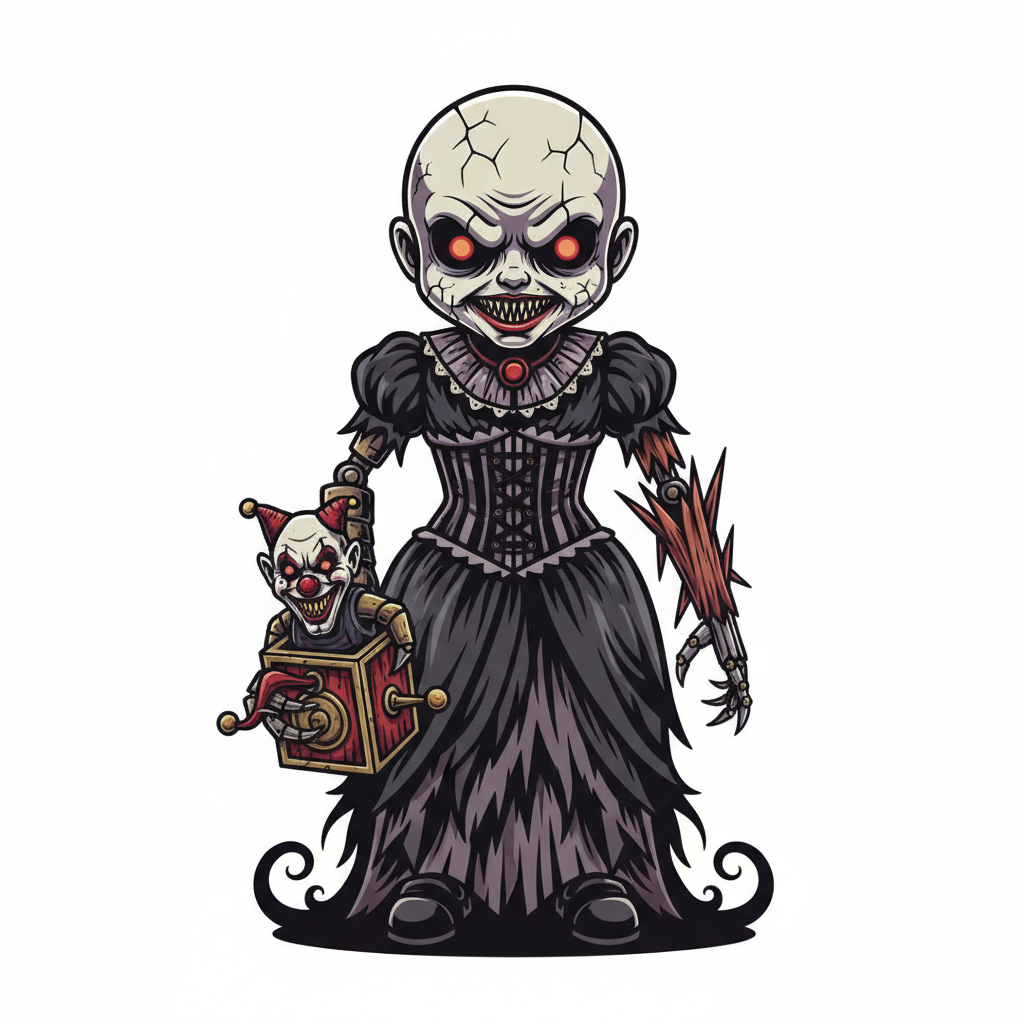
The allure of creepy dolls is a complex tapestry woven from threads of art, fear, and intrigue. Each doll is a crafted narrative, a silent storyteller of the uncanny. In this chapter, we delve into the meticulous world of artists and creators who specialize in these eerie figures, exploring the techniques and materials that bring them to life—or death, as it may feel. Additionally, we will examine the collector's market, where these creations find homes and the fascination continues to thrive.
As we begin our exploration, it is essential to understand that the creation of a creepy doll is not merely about crafting an object; it is about evoking an emotion, a sensation that lingers long after the first glance. It is about the art of fear.
Interview with Artists and Creators
To truly grasp the intricacies involved in the creation of creepy dolls, we must first step into the studios and minds of the artists themselves. These creators are the modern-day Geppettos, breathing life into their creations with as much intent as the famed woodcarver, albeit with a darker twist.
One such artist is Lydia Sinclair, whose dolls have been showcased in numerous horror conventions and art galleries. Lydia welcomes us into her studio, a place where the macabre and the whimsical coexist. The walls are lined with sketches, fabric swatches, and various doll parts that seem to peer at us from their perches.
"When I create a doll," Lydia explains, "I start with a story. Every doll has a history, a past that I imagine and incorporate into its design. It could be the spirit of a Victorian child, a cursed object from another era, or a creature from folklore."
Lydia's process begins with research. She immerses herself in tales of hauntings, legends, and historical events that might inspire her next creation. From there, she sketches designs that capture the essence she wishes to convey. Her dolls often feature glass eyes, porcelain faces, and intricate clothing that reflect their unique backstories.
Another artist, Marco Alvarez, approaches his creations from a different angle. Marco's studio is a stark contrast to Lydia's. It is a minimalist space, with bright lighting and clean lines. His dolls are modern and abstract, often using unconventional materials like metal and resin to evoke a sense of unease.
"For me, it's about distortion," Marco states. "I like to play with proportions, create something that looks almost human but isn't. That 'almost' is where the creepiness lies. It's in the familiar made strange."
Marco believes that the uncanny valley—a term used to describe the discomfort we feel when something is almost, but not quite, human—is a key element in crafting creepy dolls. By exaggerating certain features or altering the symmetry of a face, he creates a disconnect that unsettles viewers.
The Materials and Techniques
The creation of a creepy doll is a delicate balance of artistry and craftsmanship. The choice of materials can significantly impact the final product, enhancing its eerie qualities.
Porcelain is a popular choice for doll faces, prized for its smooth, lifelike texture and the ability to hold fine details. However, its fragility adds an element of vulnerability, as if the doll could shatter at any moment, mirroring the fragility of life itself.
Glass eyes are another critical component. Unlike painted eyes, glass eyes have a depth and realism that can be unsettling. They catch the light in unexpected ways, giving the illusion of movement and life. In some cases, artists like Lydia will use vintage glass eyes, lending an additional layer of history to the doll's persona.
Hair is typically crafted from mohair or human hair, both of which can be styled to achieve a desired effect, whether it's the neat curls of a bygone era or the wild, unkempt locks of something otherworldly. The texture and color of the hair can significantly alter the doll's character, from angelic to demonic.
Clothing is not just an accessory but a narrative tool. Fabrics are often chosen for their historical accuracy or their ability to convey a sense of decay. Lydia, for example, will sometimes age her fabrics using tea-staining or sandpaper to give the impression of a doll that has weathered the ages.
Paint is used to add the final touches, with artists employing techniques like dry brushing or airbrushing to create shadows and highlights that bring out the doll's features. A subtle blush or a darkened eye socket can transform a face from innocent to menacing.
But beyond materials, it is the technique that truly defines the art of creating creepy dolls. Artists must have a keen eye for detail and a deep understanding of anatomy and proportion. They play with light and shadow, symmetry and asymmetry, all to evoke a visceral reaction in the observer.
Exploration of the Collector's Market
While the creation of creepy dolls is an art form in itself, the fascination does not end there. These dolls have a thriving market, with collectors who are as passionate and discerning as the artists who create them.
The collector's market for horror-inspired dolls is a niche yet fervent community. These collectors are drawn to the dolls for various reasons, ranging from a love of horror to a fascination with the macabre. For some, it is the artistry and craftsmanship that captivate them; for others, it is the stories and emotions that the dolls evoke.
Online marketplaces and auction sites are common venues for acquiring these eerie collectibles. Prices can vary widely, with some dolls fetching hundreds or even thousands of dollars. Limited editions, signed pieces, or dolls with particularly unique or disturbing features tend to command higher prices.
Collector conventions and horror expos are also significant events in the community. These gatherings provide opportunities for artists to showcase their work and for collectors to purchase or trade dolls. They also serve as a space for enthusiasts to connect, share stories, and discuss their collections.
One such collector, Emily Thompson, shares her insights into the appeal of creepy dolls. Her home is a veritable museum, with shelves dedicated to her ever-growing collection. Each doll is displayed with care, spotlighted by subtle lighting that casts long shadows across the room.
"For me, it's about the emotion," Emily explains. "Each doll tells a story, and I love imagining their histories. They might be creepy, but they're also beautiful in their own way. I think that's what draws people in—the beauty in the darkness."
Collectors like Emily often form personal connections with their dolls, seeing them as more than mere objects. There is a sense of companionship and respect, a recognition of the artistry and the narrative each piece embodies.
Crafting Fear: The Psychological Aspect
The psychology behind why people are drawn to creepy dolls is as complex as the creations themselves. For both artists and collectors, there is a deep-seated fascination with fear and the unknown. Creating or collecting these dolls provides a safe space to explore these emotions.
Artists like Lydia and Marco use their work to delve into themes of mortality, the supernatural, and the uncanny. By crafting something that evokes fear, they confront their own anxieties and curiosities, transforming them into tangible forms. It is a form of catharsis, a way to make sense of the darker aspects of human experience.
For collectors, owning a creepy doll is a way to engage with fear on a personal level. Displaying these dolls in their homes allows them to control and contain their fear, turning it into a source of fascination rather than dread. It is a reminder of the thin line between fear and fascination, and how closely they are intertwined.
Beyond the Fear
As we move forward in our exploration of creepy dolls, it is important to acknowledge that their allure is not solely rooted in fear. While fear may be the initial draw, the deeper fascination lies in the stories, the artistry, and the complex emotions they evoke.
In the next chapter, "Beyond the Fear: The Fascinating Allure of Creepy Dolls," we will delve into this broader appeal. We will explore how these dolls serve as cultural artifacts, reflecting societal norms and fears, and how they continue to capture the imagination of artists, collectors, and the wider public alike.
The world of creepy dolls is a rich and multifaceted realm, one where art and fear intermingle to create something truly captivating. It is a testament to the power of storytelling, the allure of the unknown, and the enduring human fascination with the eerie and the uncanny.
As we conclude this chapter, let us remember that the art of crafting the perfect creepy doll is not simply about inducing fear. It is about creating a dialogue between the observer and the observed, an invitation to explore the depths of human emotion and imagination. In this way, each doll becomes a mirror, reflecting not only the darkness within but also the beauty that lies beyond.
Chapter 5: Beyond the Fear: The Fascinating Allure of Creepy Dolls
Beyond the Fear: The Fascinating Allure of Creepy Dolls
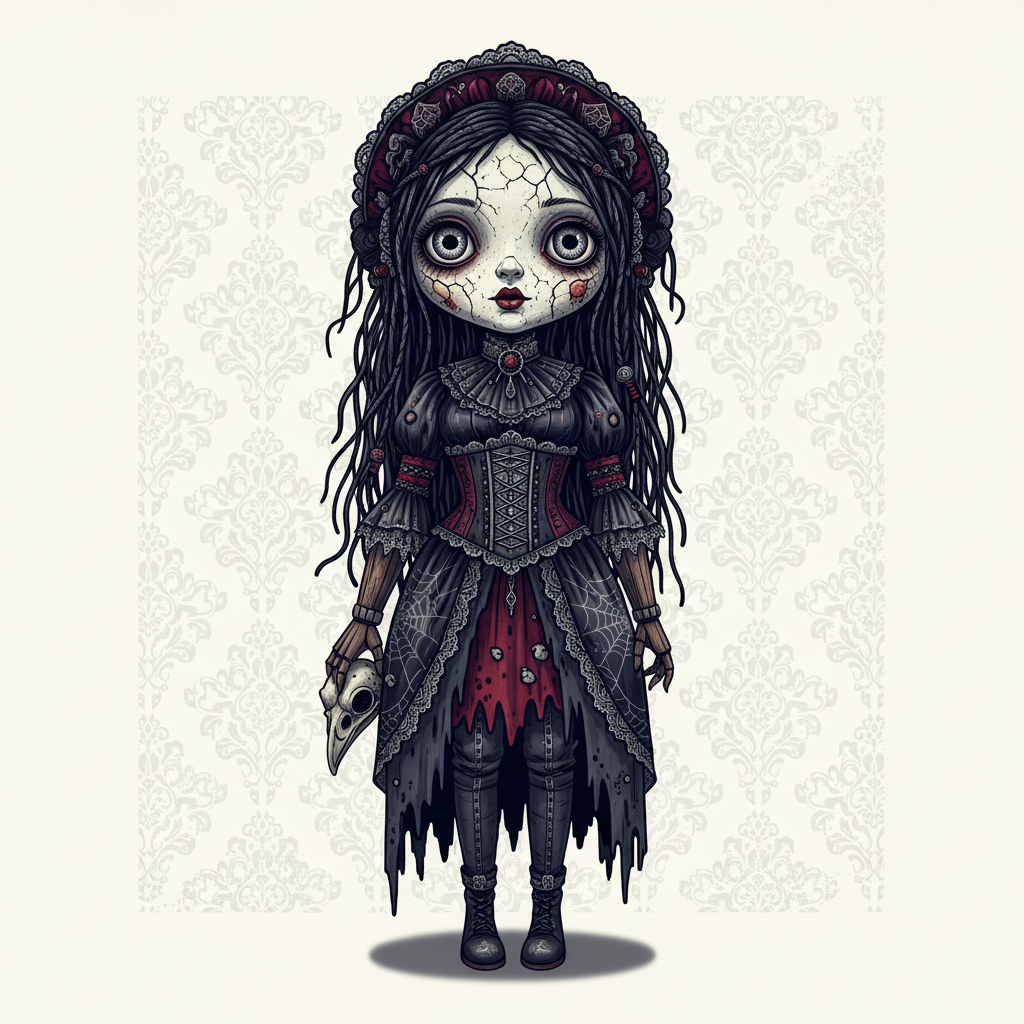
Throughout history, dolls have served as companions, muses, and even objects of dread. As this exploration reaches its final chapter, it becomes clear that the allure of creepy dolls transcends mere fear, tapping into deeper psychological and cultural currents. Here, we delve into personal stories from collectors and enthusiasts, explore the therapeutic aspects of confronting fears, and examine the enduring cultural legacy of creepy dolls, illuminating why these figures remain so compelling.
Personal Stories from Collectors and Enthusiasts
In the quiet corners of homes and in the curated displays of museums, creepy dolls occupy a peculiar yet cherished place. For many collectors, these dolls are more than just objects; they are conduits to the past, bearers of stories, and even friends in solitude. Take, for example, the story of Mary Ellen, an avid collector from New Orleans. Her fascination began as a child when she discovered an antique porcelain doll in her grandmother's attic. The doll, with its cracked face and faded dress, seemed to whisper stories of a bygone era. Unlike her other toys, this doll sparked her imagination and curiosity about the history it might have witnessed.
Mary Ellen's collection grew over the years, encompassing dolls from various time periods and regions. Each acquisition was not just about the thrill of the hunt, but about connecting with a piece of history. Mary Ellen recalls a particular doll from the Victorian era with piercing blue eyes and a slightly sinister expression. "It was hauntingly beautiful," she says. "I felt a strange connection, as if the doll had chosen me." For Mary Ellen, each doll represents a narrative waiting to be discovered, a tangible link to the lives and stories of those who once cherished them.
Another collector, Tom, from Manchester, shares a different perspective. His collection of creepy dolls serves as a reminder of the fragility and transient nature of beauty. "There's something poetic about a doll that has been worn and weathered by time," he muses. "It tells us that nothing lasts forever, and there's beauty in that decay." Tom's collection includes dolls with missing limbs, faded paint, and eyes that have lost their luster. Yet, in their imperfections, he finds a profound beauty that speaks to the resilience of the human spirit.
The Therapeutic and Cathartic Benefits of Confronting Fears
While some may see creepy dolls as mere objects of terror, others find them to be therapeutic tools that help confront and manage fear. The process of engaging with these unsettling figures can serve as a form of exposure therapy, a psychological technique used to diminish the power of phobias by facing them directly. For individuals like Sarah, a young woman from San Francisco who suffers from automatonophobia, or the fear of human-like figures, collecting creepy dolls became an unexpected path to healing.
Sarah's journey began when her therapist suggested she confront her fear head-on. Initially resistant, Sarah decided to take a small step by visiting a local museum with a renowned doll collection. The experience, while unnerving, was transformative. "I realized that the dolls couldn't harm me," she recalls. "They were just objects, and my fear was rooted in my imagination." Encouraged by this realization, Sarah began her own collection, choosing dolls that initially frightened her. Over time, her fear diminished, replaced by a sense of empowerment and control.
The therapeutic nature of creepy dolls extends beyond personal fears to broader psychological benefits. Engaging with these dolls can provide a creative outlet, allowing individuals to project their emotions and narratives onto them. This process can be particularly cathartic, offering a safe space to explore complex emotions and experiences. Doll-making workshops, now popular in various communities, provide a communal environment where participants can craft their own creepy dolls, often transforming personal fears into tangible, manageable forms.
The Enduring Legacy of Creepy Dolls and Their Cultural Significance
Creepy dolls have cemented their place not only in the personal lives of collectors and enthusiasts but also in the broader cultural landscape. Their pervasive presence in literature, film, and art speaks to a universal fascination that transcends time and geography. These dolls embody a unique blend of innocence and malevolence, inviting both fear and intrigue.
One of the most compelling aspects of creepy dolls is their ability to serve as cultural touchstones, reflecting societal anxieties and shifts. During the Victorian era, for example, dolls were often used to teach young girls about domestic roles and maternal duties. However, the eerie and sometimes unsettling designs of these dolls also mirrored the era's fascination with death and the macabre, a reflection of high infant mortality rates and the ritualistic mourning practices of the time.
In contemporary culture, creepy dolls continue to capture the imaginations of artists and storytellers. Filmmakers and authors often use them as symbols of innocence corrupted or the uncanny—objects that appear human but are unsettlingly not. This duality makes them powerful narrative devices, capable of evoking deep-seated fears while simultaneously drawing audiences in with their enigmatic charm.
Moreover, the cultural significance of creepy dolls extends to their role in folklore and myth. Many cultures have stories of enchanted or cursed dolls, believed to harbor spirits or possess magical properties. These tales often serve as cautionary narratives, warning against vanity, arrogance, or the misuse of power. In Japan, for instance, the tradition of the ningyo—a type of doll believed to bring good fortune or ward off evil—highlights the dual nature of dolls as both protective and potentially dangerous.
In the digital age, the fascination with creepy dolls has only grown, with online communities dedicated to sharing stories, photographs, and even crafting tutorials. Social media platforms provide a space for enthusiasts to connect, share their collections, and explore the artistic and narrative potential of these intriguing figures. The internet has also facilitated the rise of new myths and urban legends surrounding creepy dolls, further cementing their place in popular culture.
Conclusion: The Dark Allure Behind Porcelain Smiles
As we draw the curtain on this exploration, it is clear that the allure of creepy dolls lies not just in their ability to evoke fear, but in their capacity to captivate the imagination and connect us to deeper aspects of our humanity. These dolls are more than objects of dread; they are storytellers, therapists, and cultural icons, each with a unique tale to tell and a role to play in the tapestry of human experience.
The stories of collectors like Mary Ellen and Tom remind us that beauty and fascination can be found in the most unexpected places. The therapeutic journeys of individuals like Sarah illustrate the power of facing our fears and transforming them into sources of strength and creativity. And the enduring cultural significance of creepy dolls highlights their role as mirrors of societal anxieties and desires, reflecting both the darkness and light within us.
In unraveling the mystery behind creepy dolls, we uncover not only the reasons for their unsettling presence but also the profound human need to explore the unknown, to find meaning in the eerie and the enigmatic. These dolls, with their porcelain smiles and haunting gazes, invite us to look beyond the fear and discover the fascination that lies within. As we close the final chapter of this book, we leave with a deeper understanding of the stories these dolls tell and the emotions they evoke, revealing the dark allure that continues to captivate and inspire.