
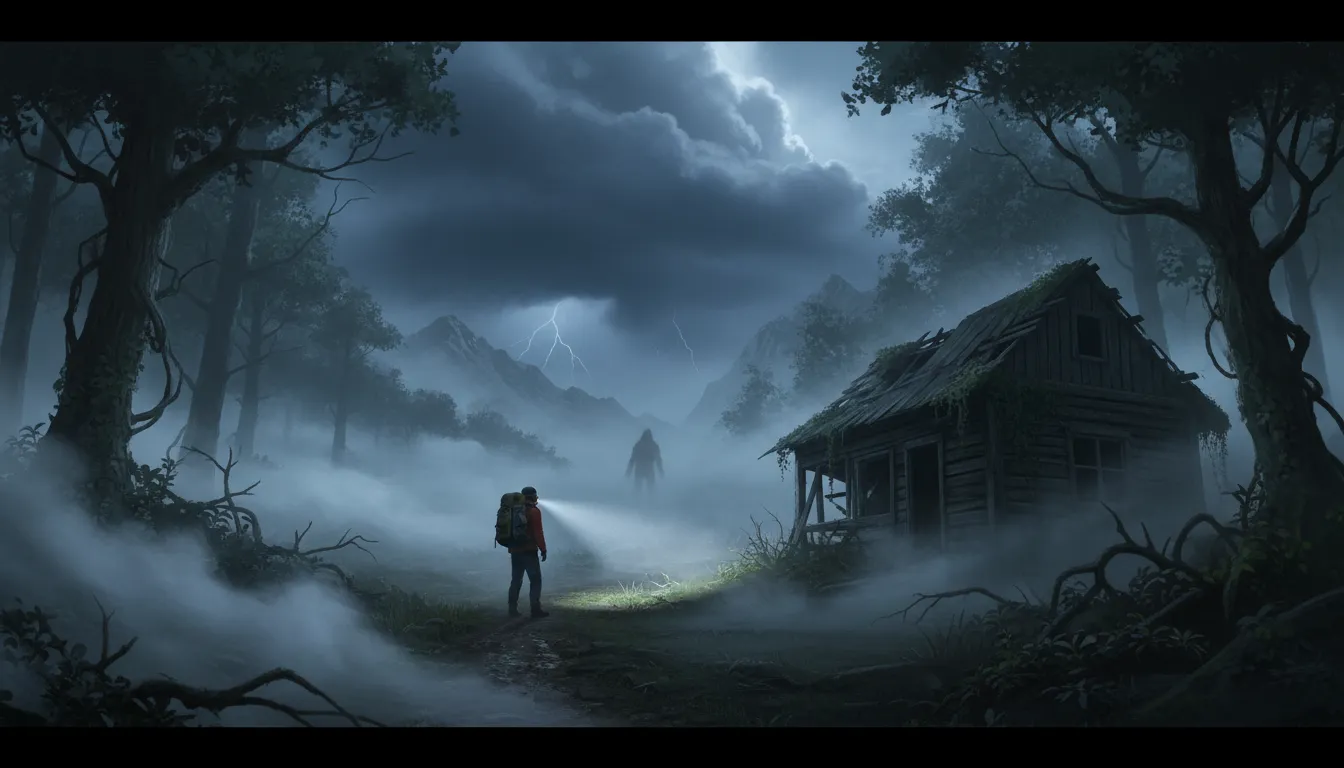
The deep woods attract people for good reasons. Solitude, quiet, dark skies, and distance from daily life can make a remote trip feel restorative. But isolation also changes the risk profile fast. A minor problem becomes serious when there is no cell service, no nearby trail traffic, and no easy way out.
That is why deep woods horror stories hit so hard. Even when details are strange or impossible to verify, they usually center on real backcountry fears: getting trapped by weather, stumbling onto an unsafe structure, being approached by an unknown person, hearing unexplained activity at night, or realizing you are much farther from help than you thought.
This guide uses three unsettling wilderness scenarios as a starting point to answer a more useful question: what should you do if something feels wrong in remote woods? It covers the practical lessons behind these kinds of incidents, including shelter decisions, abandoned cabin risks, lookout tower hazards, suspicious nighttime activity, and when to leave immediately.
Table of Contents
- Why deep woods situations feel more dangerous than ordinary camping problems
- Scenario 1: Taking shelter in a remote cabin during a storm
- Scenario 2: Spending the night in an abandoned fire lookout tower
- Scenario 3: Strange fire, falling trees, and signs your camp was disturbed
- The most important deep woods safety principle: leave early, not late
- How to respond when something feels wrong in the woods
- Common mistakes people make in remote woods
- Deep woods trip planning that reduces the chance of a nightmare scenario
- What is explainable and what should still change your behavior
- When solo backpacking and remote camping stop being worth it
- Key takeaways from these deep woods horror scenarios
- FAQ
Why deep woods situations feel more dangerous than ordinary camping problems
Remote forest travel has a different psychological and physical reality than a busy campground. In a developed site, odd noises often have simple explanations. In the backcountry, the same noises can be much harder to place, and uncertainty itself becomes a threat.
Several factors make deep woods incidents more serious:
- Limited visibility: Dense trees, uneven terrain, and darkness hide movement.
- Few reference points: At night or during a storm, it is easy to lose orientation.
- Slow emergency response: Help may be hours away even if you do make contact.
- Weather exposure: Cold rain, lightning, and wind can quickly become survival problems.
- Unknown human presence: You may be in an area used by hunters, squatters, trespassers, or people who do not want to be found.
The biggest mistake is assuming danger only comes from wildlife. Human threats, unstable structures, and bad decisions under stress can be just as serious.
Scenario 1: Taking shelter in a remote cabin during a storm
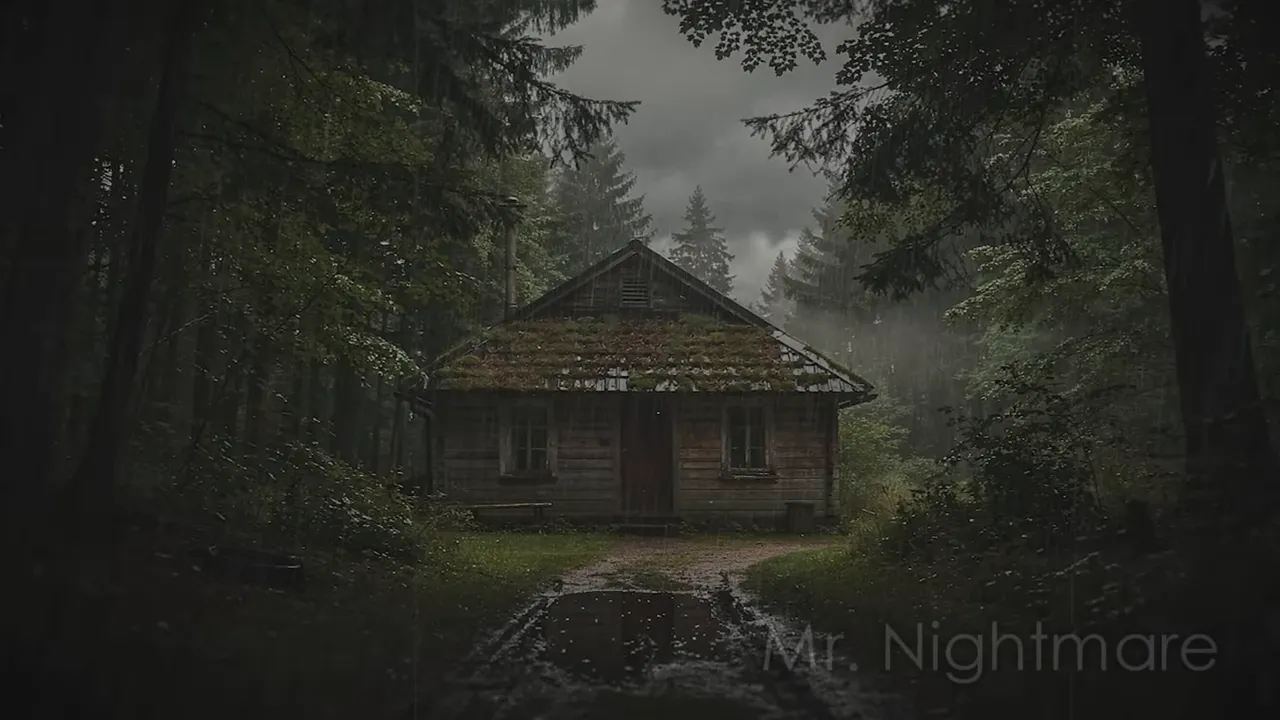
One of the most disturbing backcountry scenarios is finding an old cabin or hut during severe weather and deciding whether to enter. On paper, it sounds like a lucky break. In reality, a remote structure can create a new set of risks.
Why an isolated cabin can be dangerous
An old shelter in the woods may look like a lifesaver if you are soaked, cold, and exposed to lightning. But there are warning signs that should immediately put you on guard:
- Doors or windows that appear modified from the outside
- Scratches, pry marks, or signs of forced confinement
- Evidence that someone has used the place recently
- Strong foul odors, debris, or signs of decay
- No clear sign that the structure is maintained or safe
A structure can be both shelter and trap. If the only lock hardware is on the outside, if windows are fixed shut from outside the frame, or if the door seems easy to jam, your ability to escape may be limited.
How to decide whether to use a cabin in an emergency
Sometimes weather forces a quick choice. If you are at elevation in a thunderstorm with falling branches and nearby lightning, remaining fully exposed may be worse. The key is to treat the cabin as a temporary emergency shelter, not a place to settle in casually.
Before committing, check:
- Entry and exit points. Test the door. Identify windows. Make sure you can get out fast.
- Structural condition. Look for sagging rooflines, rot, unstable flooring, and evidence of fire damage.
- Signs of occupancy. Sleeping gear, containers, and recent supplies suggest the place may still be in use.
- Your fallback option. If you need to leave suddenly, know which direction you will go.
If anything about the space suggests deliberate confinement, violence, or a recent criminal use, leave as soon as conditions allow. A storm is dangerous, but being trapped in a remote building can be worse.
What to do if you hear movement outside
One of the most unnerving possibilities in a deep woods shelter is hearing scraping, footsteps, porch noise, or pressure against the door. At that point, do not assume curiosity or harmless intent.
Best practices:
- Do not stand directly in front of windows.
- Keep your light controlled. Too much light inside makes you easier to see.
- Get your gear together immediately. Do not wait until panic starts.
- Plan your exit before opening anything.
- Trust escalation. Repeated contact with the structure is not normal storm noise unless you can clearly verify it.
If a person outside does not simply enter through an unlocked door but instead circles, tests the structure, or applies pressure without identifying themselves, that is a serious red flag. It may indicate they are trying to control your movement rather than seek shelter.
Fire in a remote shelter is a worst-case emergency
A fire spreading rapidly through a small cabin leaves almost no reaction time. In a backcountry setting, smoke inhalation, burns, and disorientation can all happen within seconds.
If a fire starts:
- Get out immediately. Do not save equipment.
- Stay low if smoke builds.
- Use force on the door if necessary.
- Once outside, create distance right away.
- Do not assume the danger is over once you exit.
A fire may be accidental, but if the circumstances suggest someone intentionally trapped you inside, the area around the shelter remains dangerous. Move until you are no longer in the immediate vicinity.
Scenario 2: Spending the night in an abandoned fire lookout tower
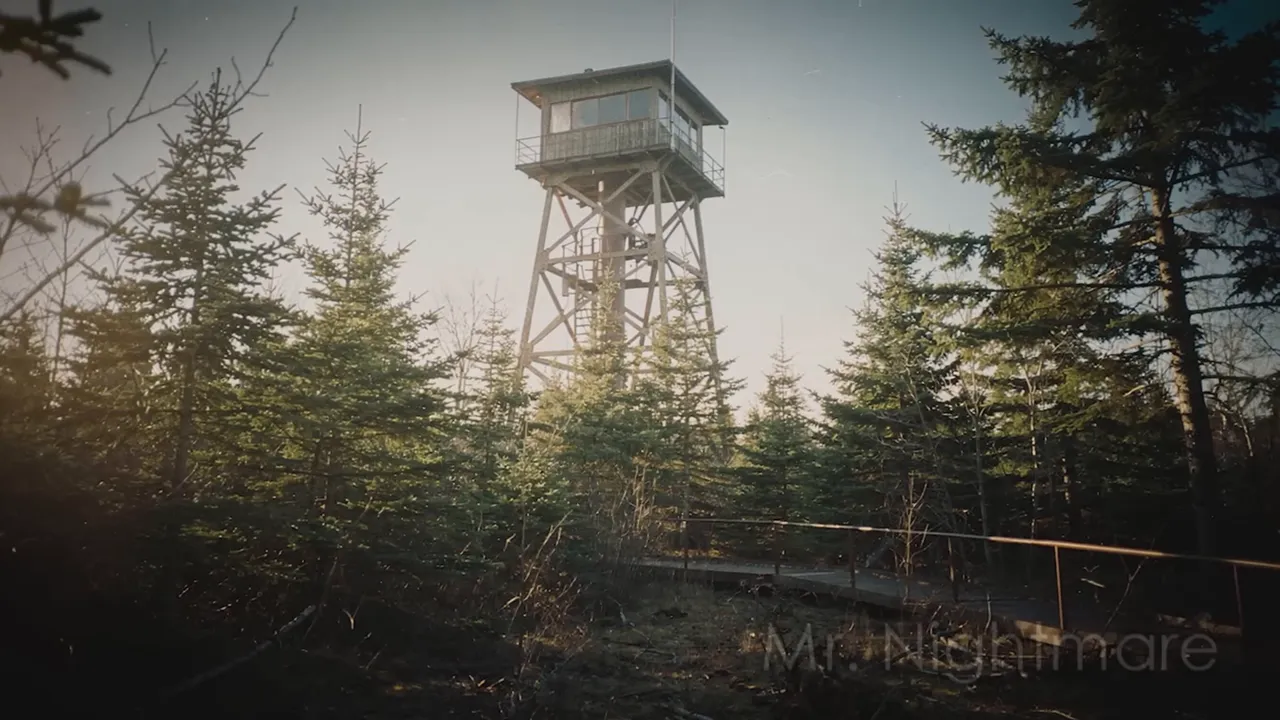
Fire lookout towers are fascinating. They offer spectacular views, unusual history, and a strong draw for urban explorers and off-trail hikers. They are also one of the easiest places to get stranded, injured, or trapped by another person.
Why abandoned lookout towers are uniquely risky
An old tower has several built-in problems:
- Single route of entry and exit
- Exposure to height and weather
- Rust, missing bolts, bent rails, or damaged steps
- Limited options if someone remains below
- Little cover if someone approaches unnoticed
Even if the climb up feels manageable, spending the night there is different. Darkness removes your ability to track movement on the ground, and a person at the base can effectively control your only exit.
What suspicious light activity may mean
A moving light in the woods is not automatically paranormal or malicious. It could be another hiker, a ranger, a hunter, or someone navigating rough terrain. But there are features that should raise concern:
- The light is moving directly toward your location
- It keeps a strange, unnaturally steady course
- It stops at the base of your structure
- The person or source does not identify itself
- The light disappears but you suspect the person is still nearby
From a safety standpoint, the exact explanation matters less than the behavior. If someone approaches and then refuses to reveal themselves while remaining at your only exit, you should assume the situation is unsafe.
What to do if someone is below your only exit
If you are elevated on a tower, platform, or similar structure and an unknown person remains below, your goals are simple: stay out of reach, stay quiet, preserve options, and avoid forcing a confrontation.
Recommended steps:
- Do not descend in the dark. Height plus uncertainty is a bad combination.
- Move to the most defensible interior position available.
- Keep windows in view without silhouetting yourself.
- Listen for climbing, tools, or movement on the structure.
- Wait for daylight if descent can be delayed safely.
If you hear metal impacts, grinding, or movement around the framework, do not dismiss it. Someone may be probing the structure, damaging access points, or trying to unsettle you.
Why old towers should not be used as campsites
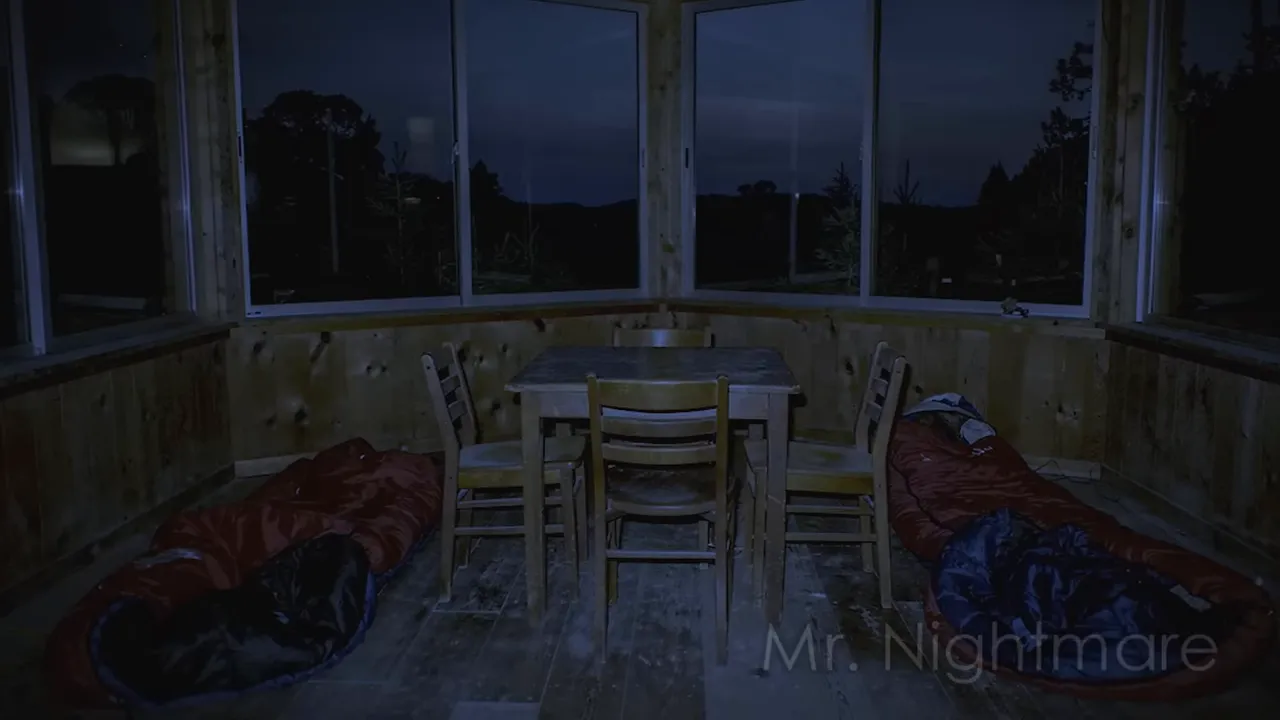
Even without suspicious activity, abandoned lookout towers are poor overnight shelters. They are often unsecured, structurally compromised, and legally off-limits. Missing sections of stairs, rusted supports, and weakened landings can turn a simple descent into a serious injury.
Safer alternatives include:
- Camping on legal, stable ground away from the structure
- Using a known backcountry site
- Turning back before dark instead of improvising a risky overnight stay
The view is not worth being trapped above a damaged staircase in the dark.
Scenario 3: Strange fire, falling trees, and signs your camp was disturbed
Some deep woods incidents do not begin with direct confrontation. Instead, they start with one small irregularity, then another, until the pattern becomes impossible to ignore. A distant fire with no trace. Unusual crashing sounds at night. Signs your equipment was handled while you slept. These are the moments when hikers often talk themselves out of leaving soon enough.
When a distant campfire should concern you
Seeing a fire through the trees does not necessarily mean trouble. It may simply be another campsite. But a few details matter:
- How far away it appears
- Whether you hear voices or movement
- Whether the location makes sense for a campsite
- Whether there is any trace of it in daylight
If you investigate in the morning and find no fire ring, ash, scorched earth, charred wood, or signs of occupancy, that does not prove anything supernatural. It does mean your assumptions were wrong, and that should make you more cautious for the rest of the trip.
Unexplained tree falls are a serious warning sign
Large branches and trees do fall naturally, and deadfall is common in forests. But two separate crashes in calm conditions from different directions should get your attention. Even if there is a natural explanation, the practical lesson is the same: your environment may not be stable or understood.
In that situation:
- Do not stay in your sleeping bag pretending it is normal
- Listen carefully for follow-up sounds
- Check wind, weather, and terrain factors
- Prepare to leave at first light
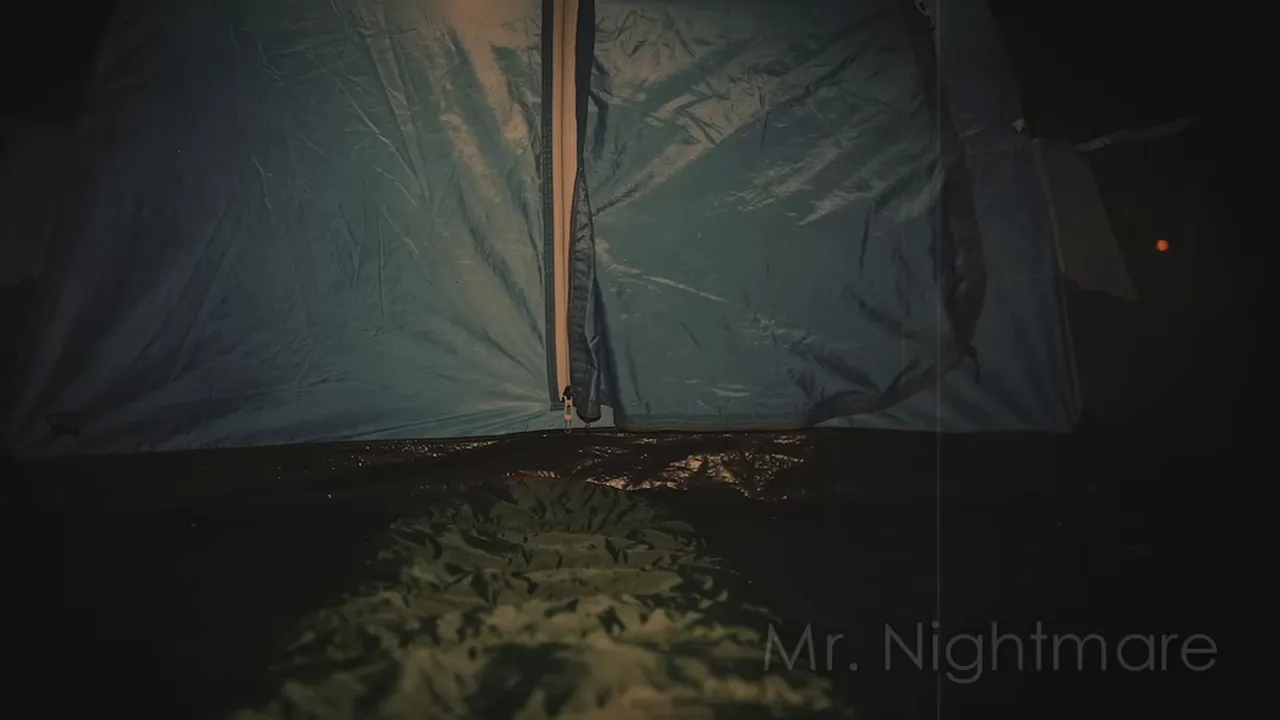
If the sound is paired with a prolonged vocalization, growl, groan, or any noise you cannot identify, avoid leaving the tent impulsively in total darkness unless you are in immediate danger where you are.
What disturbed gear means in the backcountry
Finding your own item away from camp can be one of the clearest signs that something crossed a line. Whether the cause is human, animal, or something less clear, the conclusion is straightforward: your camp is no longer secure.
Examples include:
- A bandana, carabiner, or tool missing from your pack
- Food bag moved without explanation
- Zippers opened
- Gear found near suspicious tracks, fresh damage, or an unusual site
At that point, there is little value in continuing to investigate alone. The best response is to pack efficiently and leave the area.
The most important deep woods safety principle: leave early, not late
Across many wilderness close calls, the same mistake appears again and again: people wait for one more clue. One more sound. One more sign. One more minute to see if things calm down.
That hesitation is understandable. Nobody wants to abandon a trip because of nerves. But in remote woods, early withdrawal is often the smartest move.
Leave immediately if you notice any of the following:
- Evidence of tampering with your shelter, food, or equipment
- Signs of recent human use in a structure that should be abandoned
- Unknown person lingering near your camp or exit route
- Repeated unexplained contact with your shelter or structure
- Fire risk from an unsafe building or suspicious ignition
- Structural instability in a tower, bridge, or cabin
Leaving does not mean panicking. It means recognizing that uncertainty is itself a hazard when you are isolated.
How to respond when something feels wrong in the woods
The best response is not dramatic. It is methodical.
1. Stop adding risk
Do not go deeper off trail. Do not investigate strange buildings casually. Do not descend a tower at night to confront a suspicious person. Do not separate from your gear if you may need to leave fast.
2. Tighten your decision-making
Ask three questions:
- Can I explain this with confidence?
- If I am wrong, what is the consequence?
- What is the safest option that does not depend on more guesswork?
If your answer relies on optimism rather than evidence, change course.
3. Prepare for movement
Pack in a calm, organized way. Secure essentials first:
- Navigation
- Water
- Insulation
- Light
- First aid
- Communication device if available
Do not waste time on nonessential items if the situation is actively deteriorating.
4. Move toward the simplest exit
If you know the trail, use it. If not, follow the safest obvious route that leads toward a road, trailhead, or known landmark. In a true emergency, reaching any inhabited or accessible point is more important than sticking to your original itinerary.
5. Report credible threats
If someone may have attacked you, trapped you, set a fire, tampered with your camp, or occupied a dangerous area unlawfully, contact authorities once you are safe. Even if the exact location is uncertain, your report may help establish a pattern.
Common mistakes people make in remote woods
These stories highlight several errors that are easy to make, especially when fatigue, weather, or adrenaline are involved.
Assuming an abandoned place is harmless
Remote cabins and towers are not neutral spaces. Some are unstable. Some are occupied. Some have dangerous histories. Treat them cautiously.
Ignoring a bad gut feeling because it seems irrational
Intuition is not magic, but it often picks up pattern mismatch before conscious reasoning does. If multiple details feel off, listen.
Trying to explain everything immediately
In the woods, not every mystery needs solving on site. You do not need to identify every sound before deciding to leave.
Letting darkness dictate a worse decision later
Risk compounds after sunset. If a place feels wrong in the late afternoon, do not wait until midnight to act.
Exploring alone without a clear safety margin
Solo trips increase consequences. There is no second person to keep watch, challenge a bad decision, or get help.
Deep woods trip planning that reduces the chance of a nightmare scenario
No gear list can prevent every problem, but thoughtful preparation lowers your exposure.
Before the trip
- Choose a route with known legal access
- Share your itinerary and return time with a trusted person
- Know local weather and terrain
- Avoid relying on derelict structures for shelter
- Have a realistic bailout plan
At camp
- Pick a site with visibility and clean escape options
- Avoid setting up near unstable trees or dead limbs
- Keep critical gear in the same place every time
- Reduce unnecessary noise that advertises your location
- Notice lights, tracks, and signs of recent human presence
At night
- Keep a light and footwear within reach
- Know exactly where your essentials are
- Do not wander out to investigate every sound
- Stay alert to patterns, not just isolated noises
What is explainable and what should still change your behavior
Not every strange event is sinister. A distant light may be another person. A cabin may simply be old and crudely modified. A tree may fall because of hidden rot. But the presence of a possible explanation does not cancel the need for caution.
The better question is not, “Can this maybe be explained?” It is, “Given my isolation, what response makes sense if the explanation is worse than I hope?”
That shift in mindset matters. It helps avoid two bad extremes:
- Overconfidence: dismissing warning signs because you do not want to seem paranoid
- Panic: making reckless choices because every unknown feels catastrophic
Calm caution is the goal.
When solo backpacking and remote camping stop being worth it
For some people, one close call changes how they travel forever. After a serious threat, many stop doing solo backcountry trips, avoid off-trail exploration, or refuse to use isolated structures. That is not an overreaction. It is a reasonable adjustment to real risk.
If you still enjoy remote camping, consider dialing back exposure instead of quitting entirely:
- Choose established routes instead of deep off-trail travel
- Camp with a partner
- Avoid derelict buildings and towers completely
- Shorten the trip so extraction is easier
- Stay within areas where others may pass through
You do not have to prove toughness in the woods. The smartest outdoors people are often the ones most willing to turn around.
Key takeaways from these deep woods horror scenarios
The most useful lesson from scary wilderness stories is not that the woods are haunted or unknowable. It is that isolation magnifies every threat, especially the ones people tend to underestimate.
- Storm shelter can become a trap if you enter the wrong structure
- Elevated abandoned structures can leave you stranded with no good exit
- Small irregularities often matter when they come in clusters
- Signs of tampering should end the trip
- Leaving early is often the best survival decision
The deep woods do not forgive indecision. If a place, person, or pattern feels wrong, the safest move is usually the simplest one: get out.
FAQ
Are abandoned cabins in national forests safe to use in an emergency?
Not automatically. A remote cabin may offer temporary protection from weather, but it can also be structurally unsound, occupied, or difficult to escape if doors and windows are altered. If you use one during an emergency, treat it as a short-term shelter and check exits immediately.
What should you do if you hear someone outside your tent or cabin at night?
Stay calm, avoid exposing yourself in windows or doorways, gather essential gear, and prepare to leave when it is safest to do so. If the person is testing the structure, lingering, or refusing to identify themselves, treat the situation as a serious threat.
Is it safe to climb or camp in an abandoned fire lookout tower?
Generally no. Old lookout towers may have rusted stairs, missing railings, damaged landings, and only one practical exit. At night, they are especially risky because you may not be able to see who or what is below you.
If you see a strange light in the woods, should you investigate?
Usually not right away, especially at night. A distant light could have a normal explanation, but if it approaches your camp or blocks your exit, investigating can increase risk. Observation from a safer position is usually better than confrontation.
What does it mean if your gear has been moved while camping?
It means your campsite is compromised. Whether the cause is a person or an animal, you can no longer assume your camp is secure. Pack up and leave the area rather than trying to solve the mystery alone.
When should you end a solo backpacking trip early?
End the trip if you find signs of tampering, suspicious human presence, unstable shelter, rapid fire risk, or repeated unexplained activity that changes your safety margin. In the backcountry, leaving early is often the smartest option, not an overreaction.